
A female Polygonia faunus, rather worn.
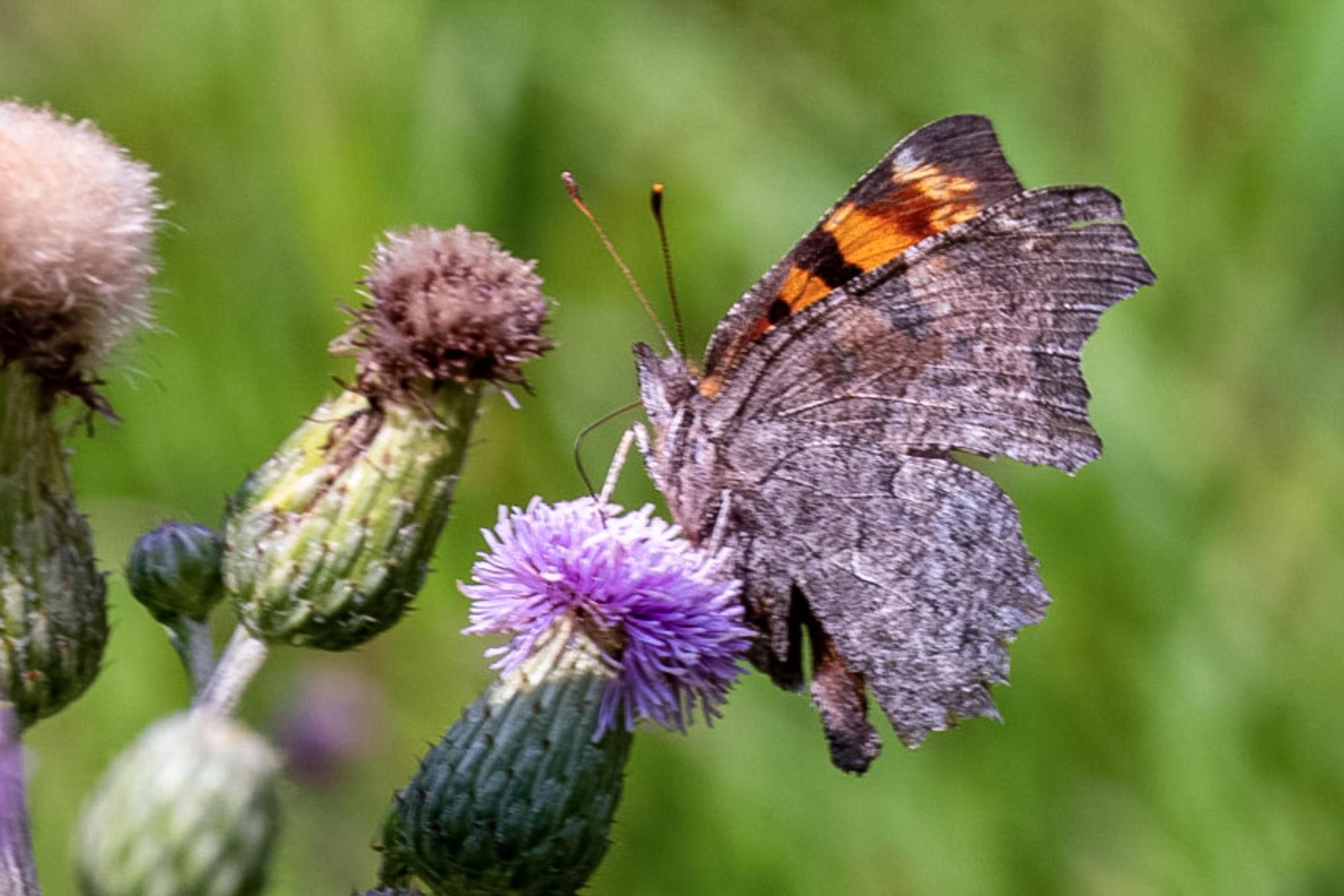
A male Polygonia faunus.
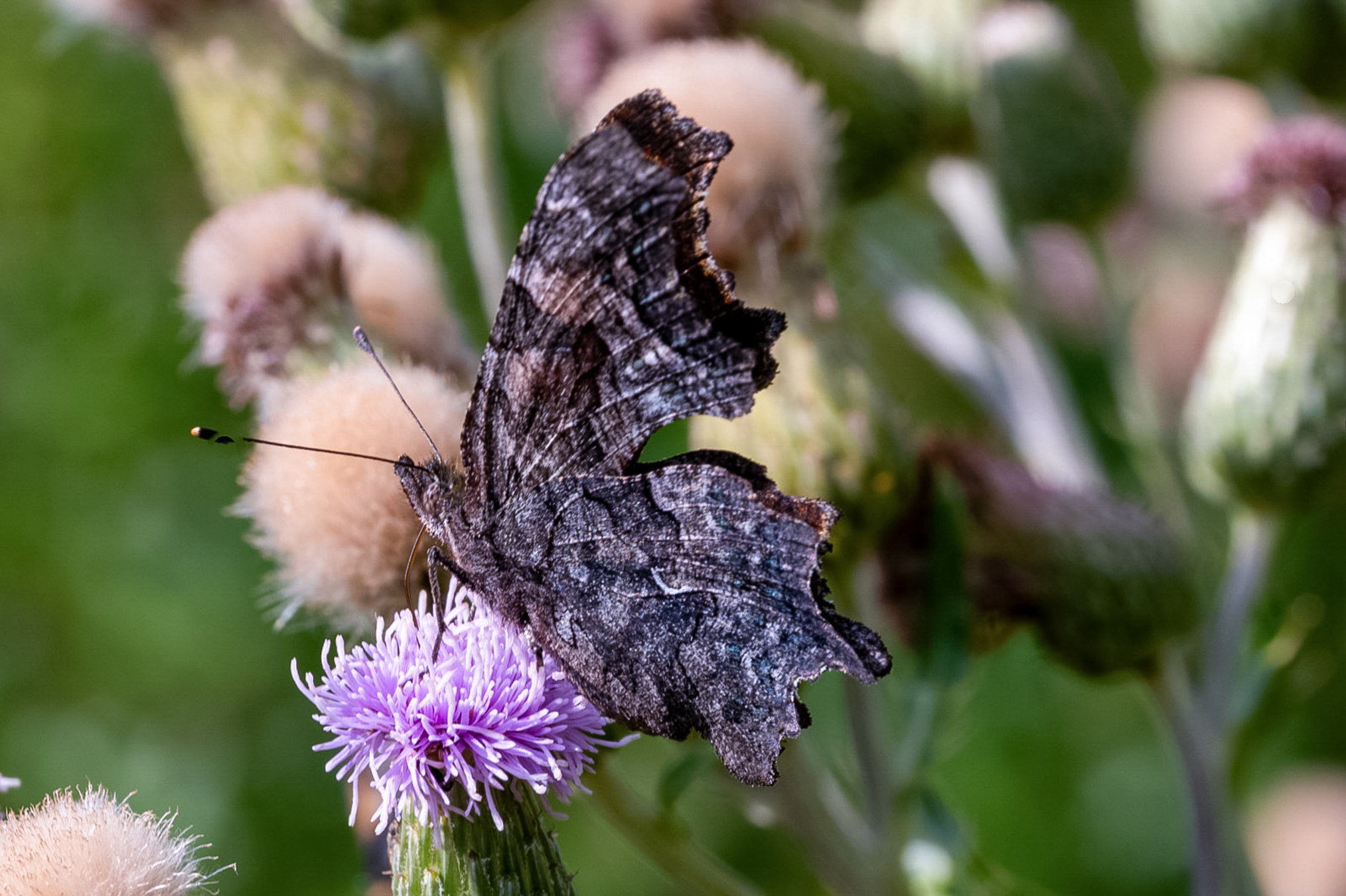
A female Polygonia faunus.
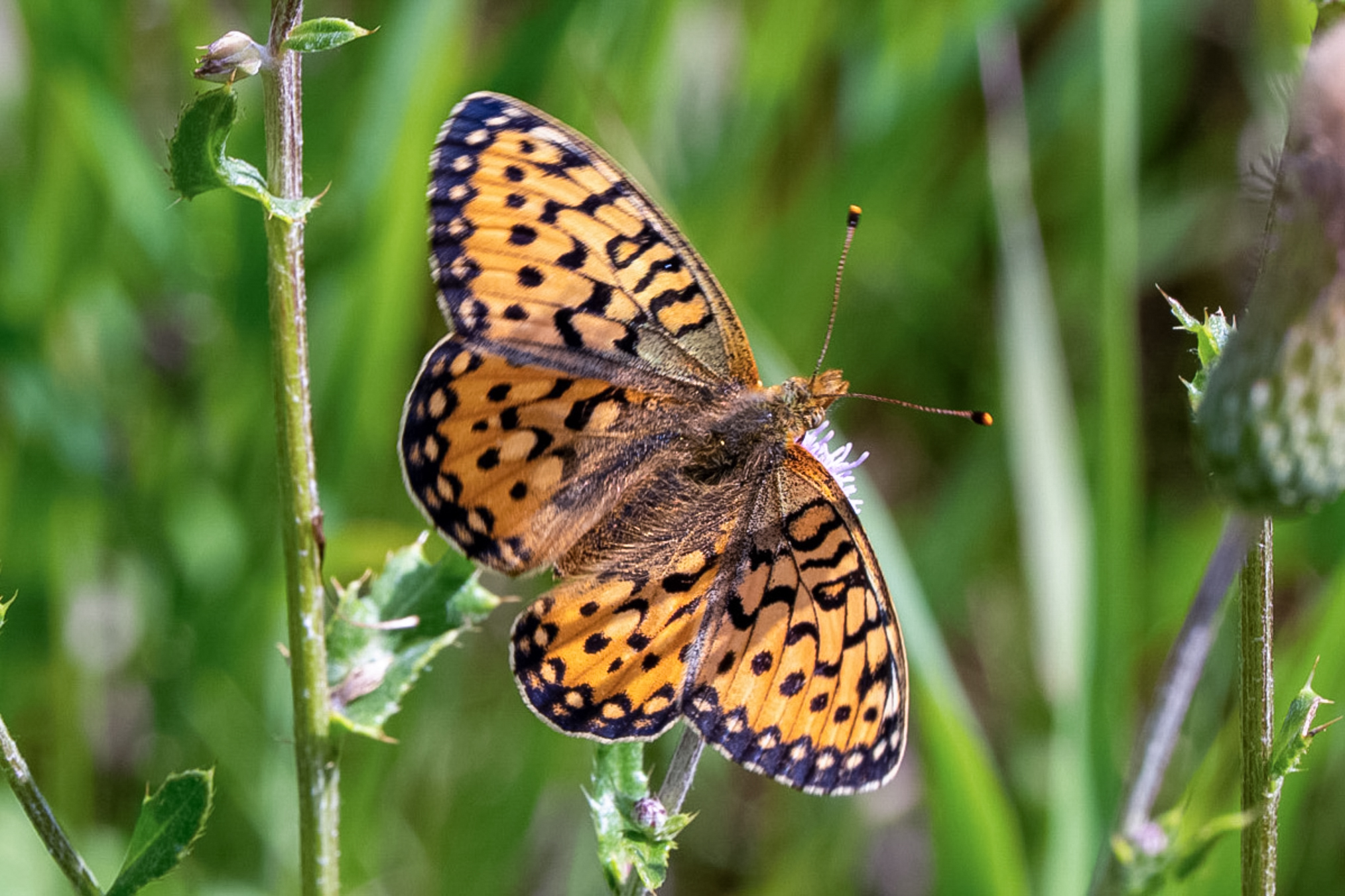
Argynnis mormonia.
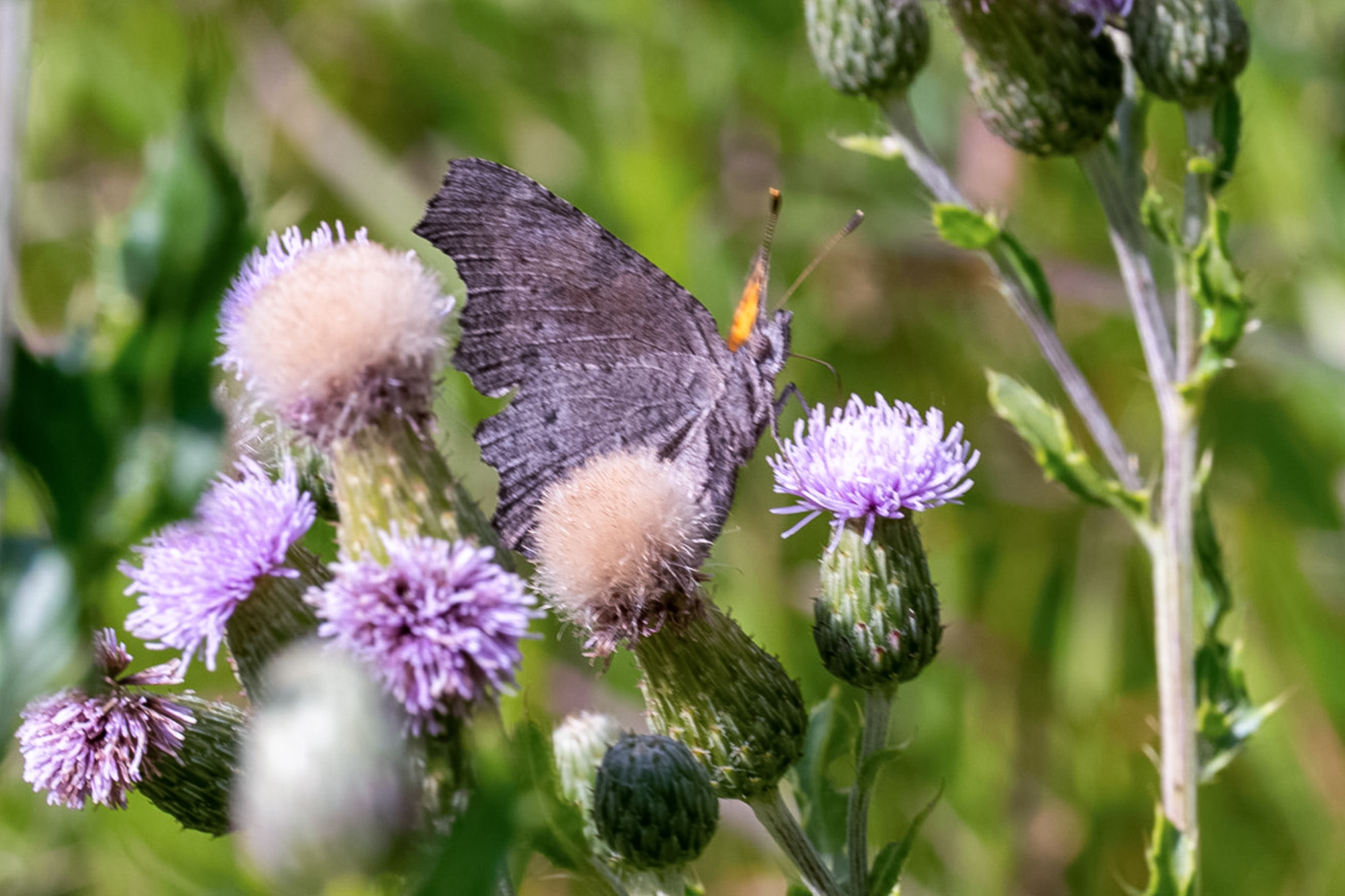
Another female Polygonia faunus.
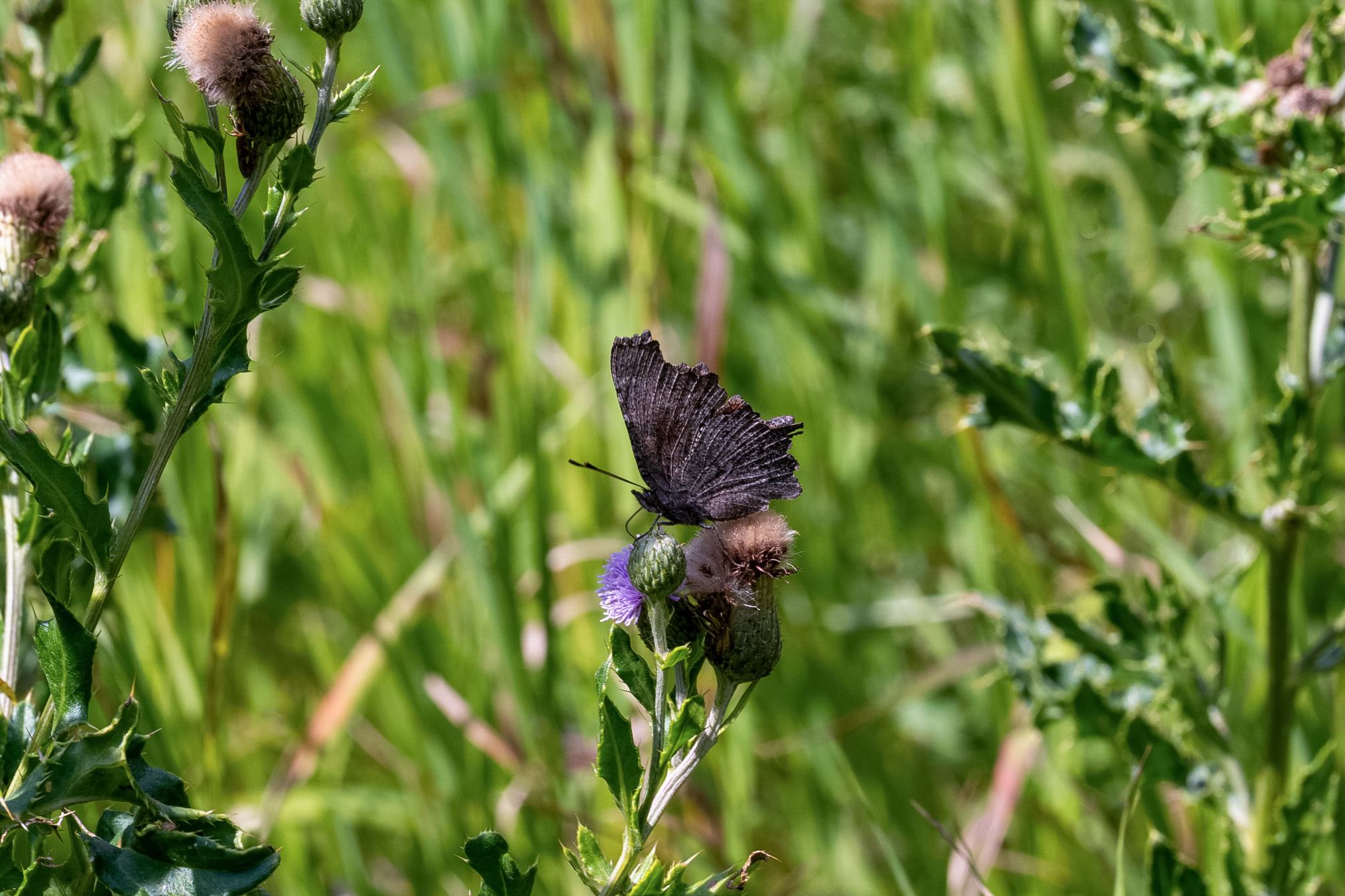
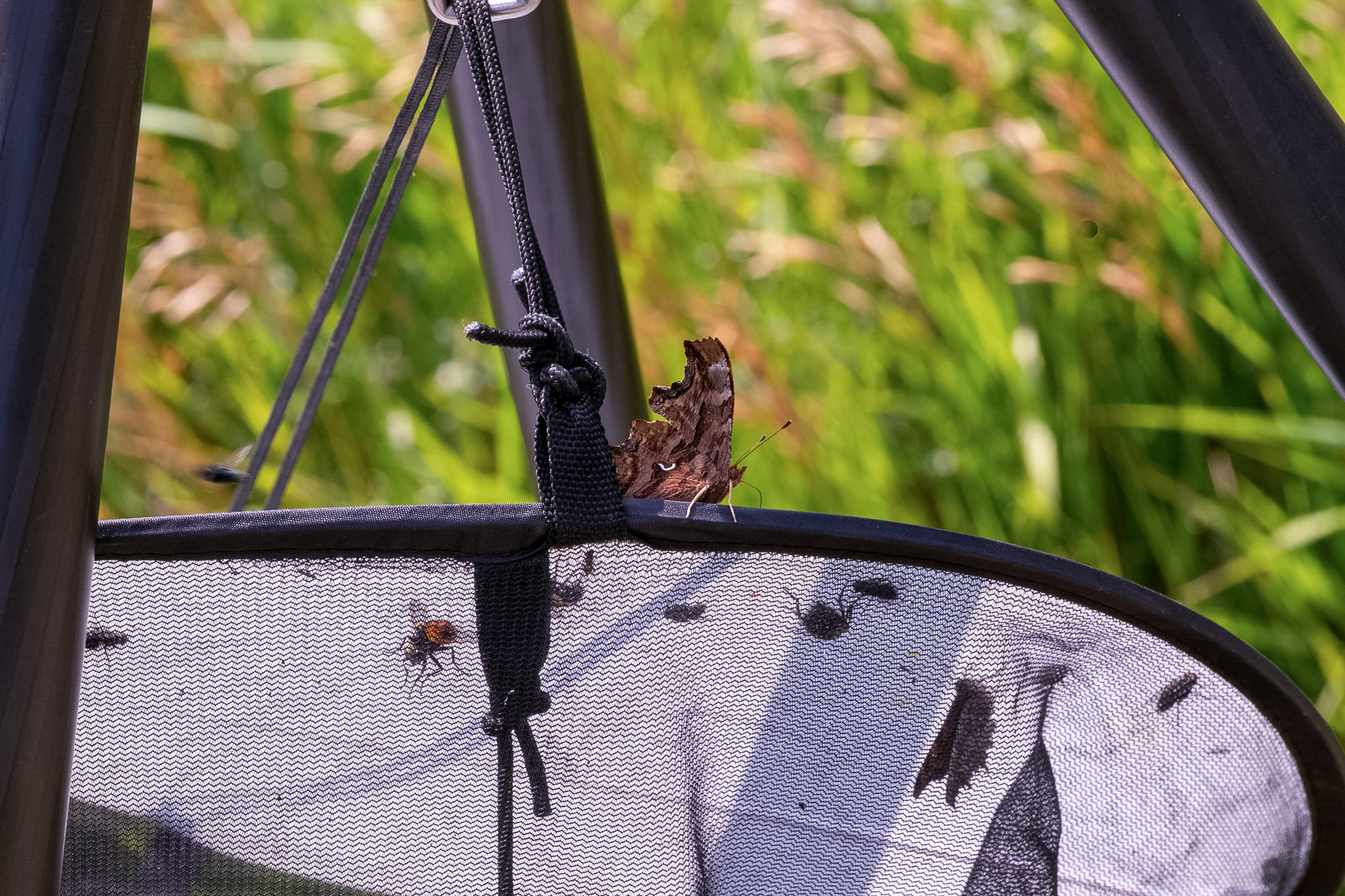
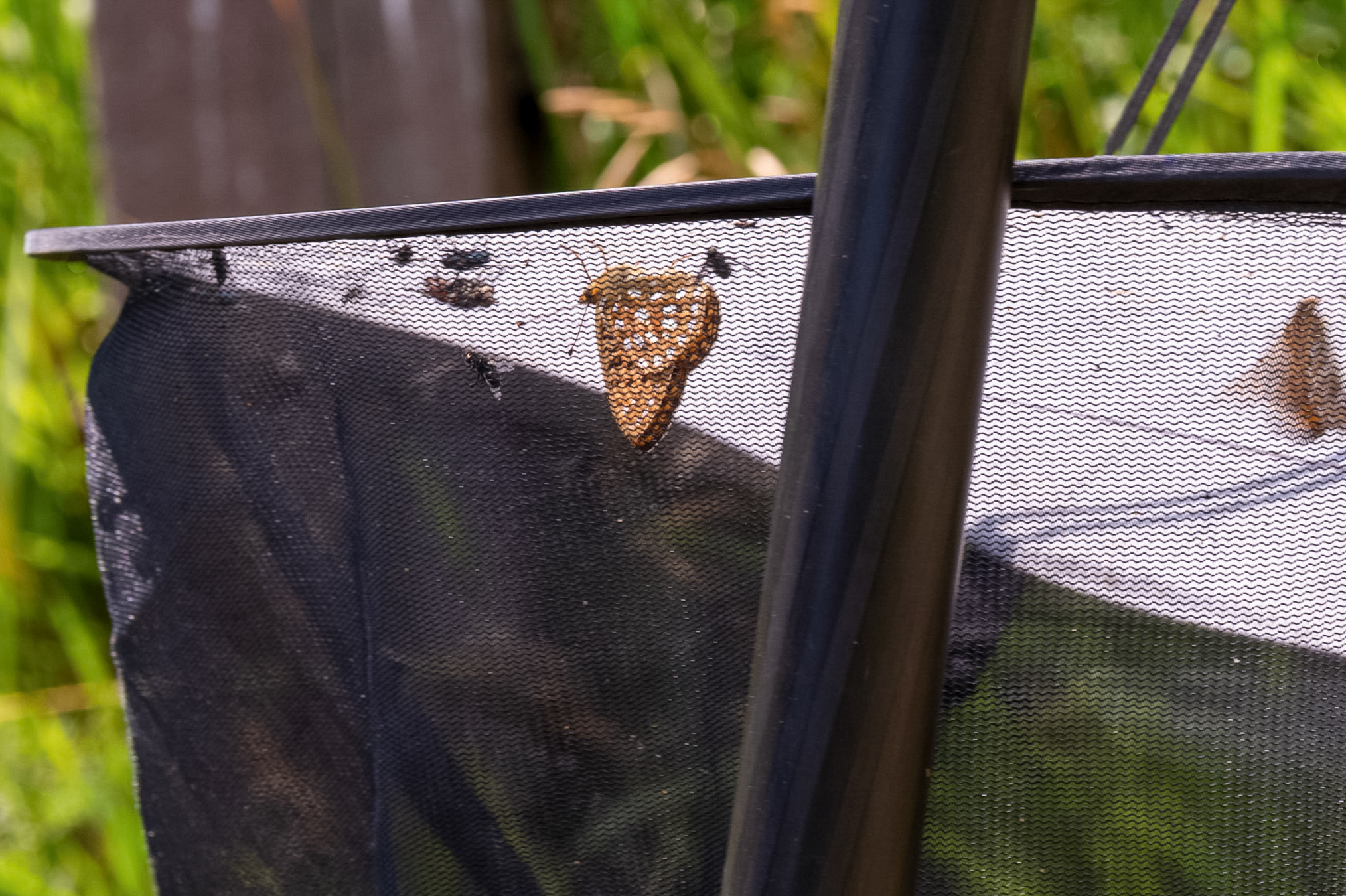
As noted, I did set up a trap right near my rig, here is an Argynnis mormonia in the trap and a Polygonia faunus on the tripod.
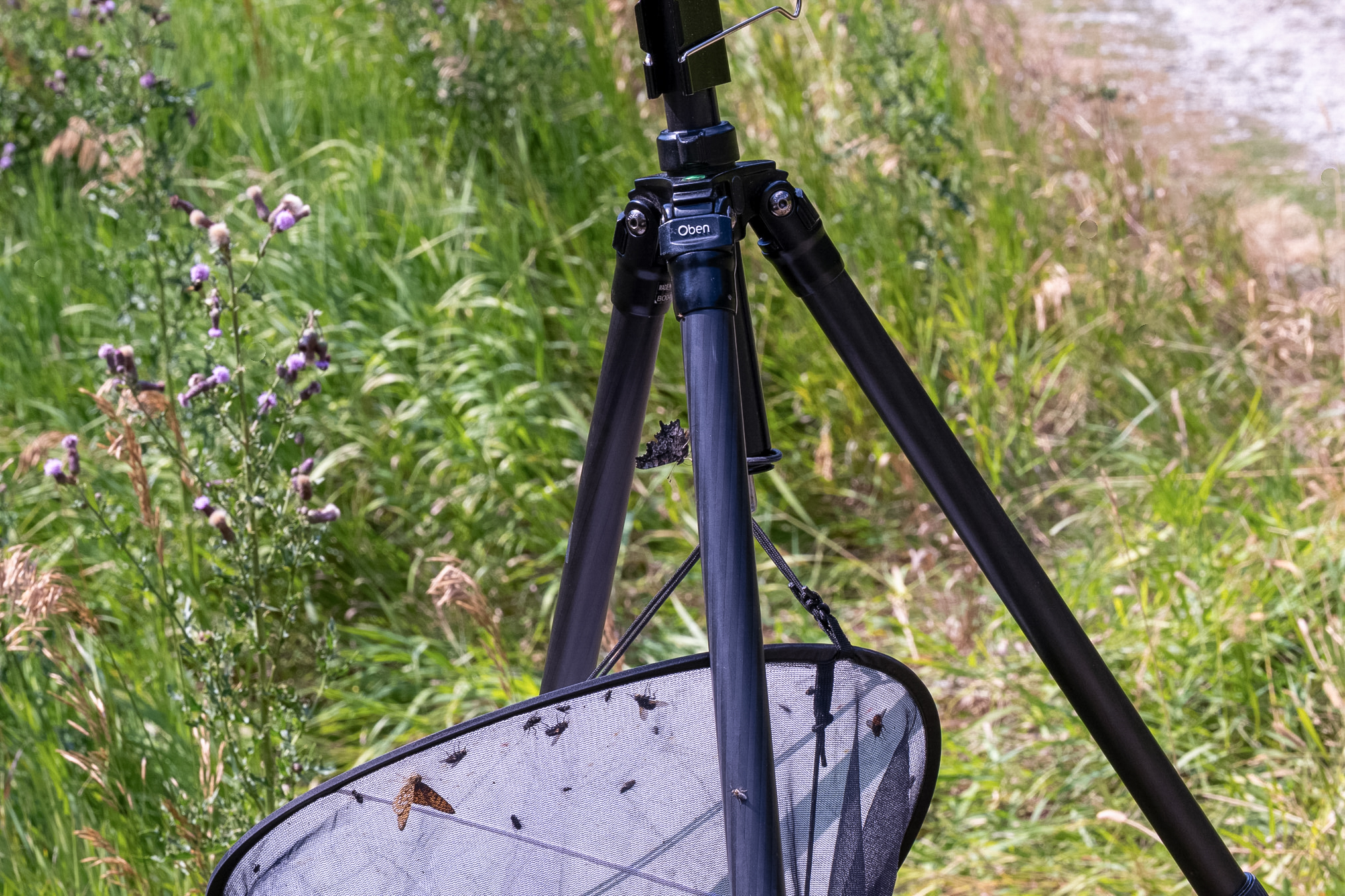
Many times the butterflies are attracted to the trap out of curiosity and they don't actually enter the trap. Here is a case where a male Polygonia faunus has found some goodies on the tripod holding the the trap.
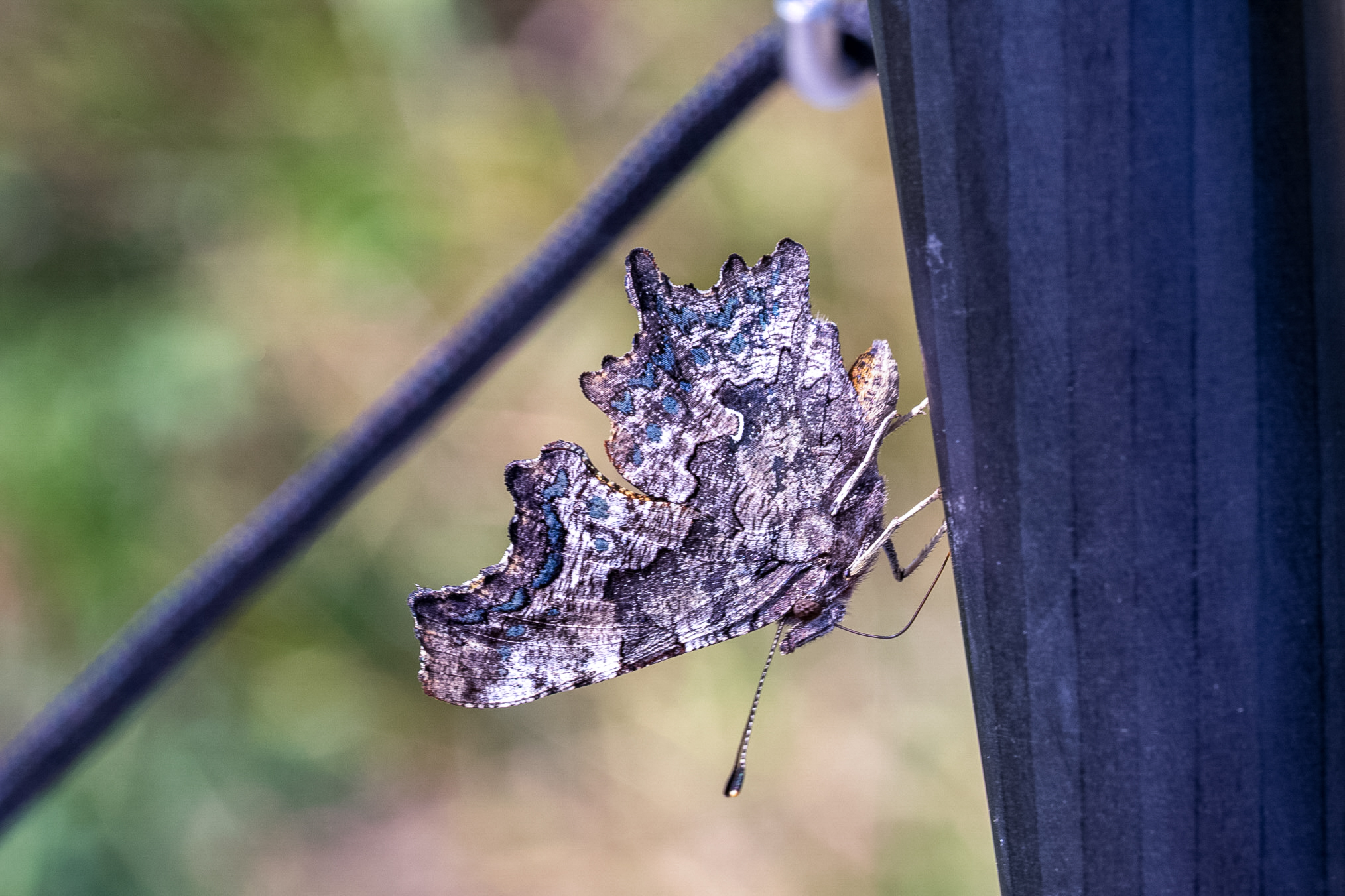
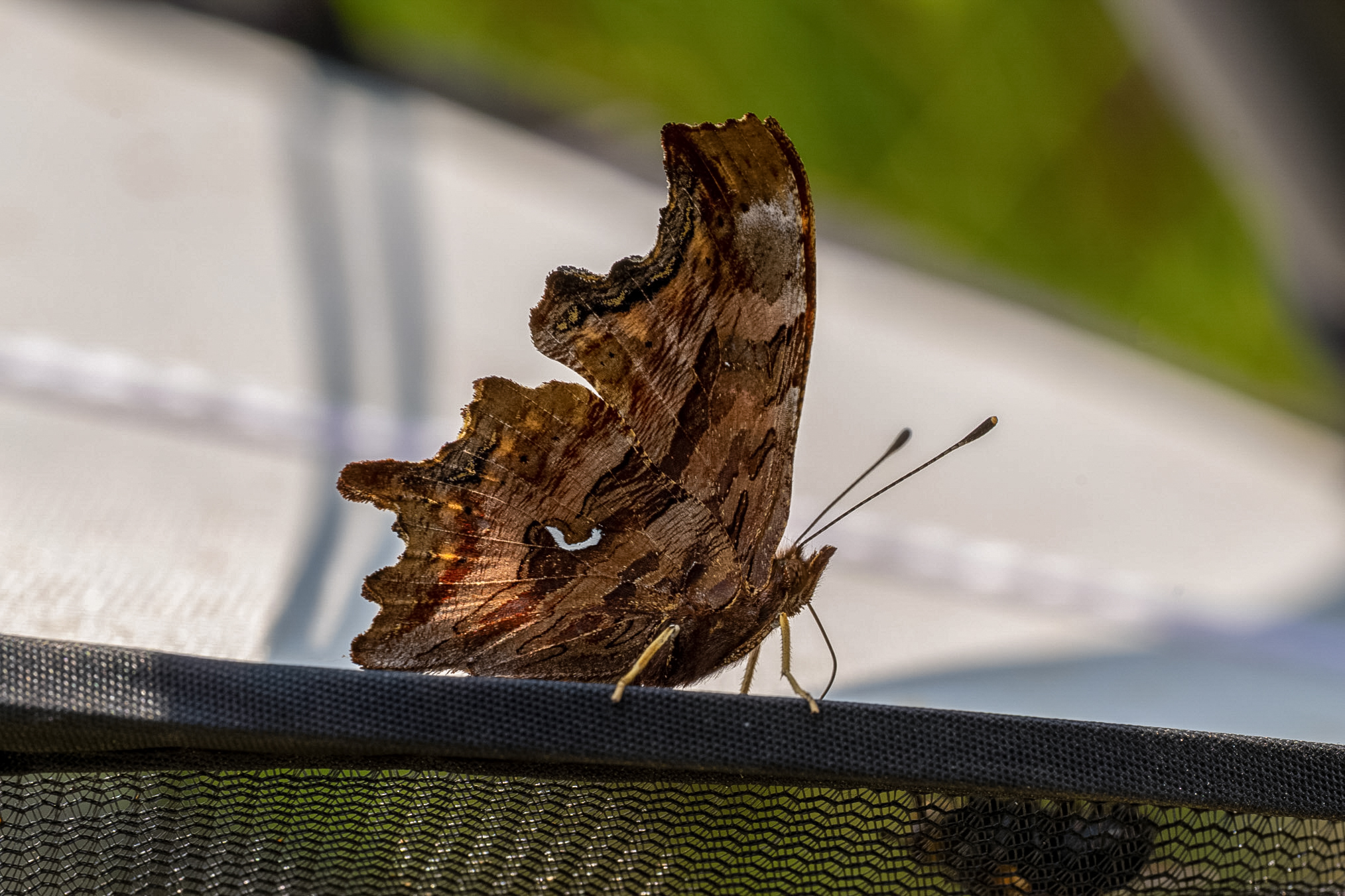
Here is the same specimen with a dorsal view.
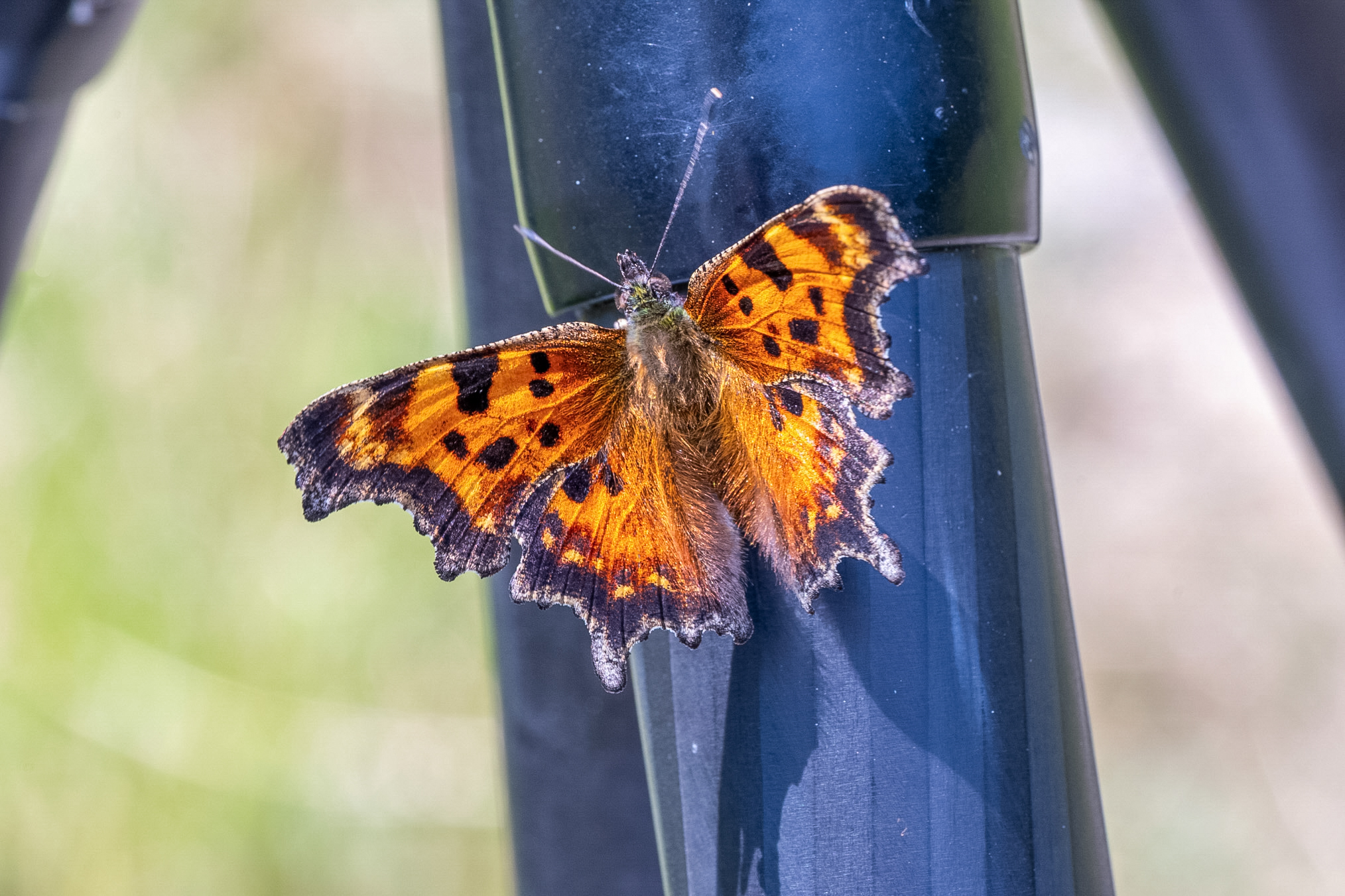
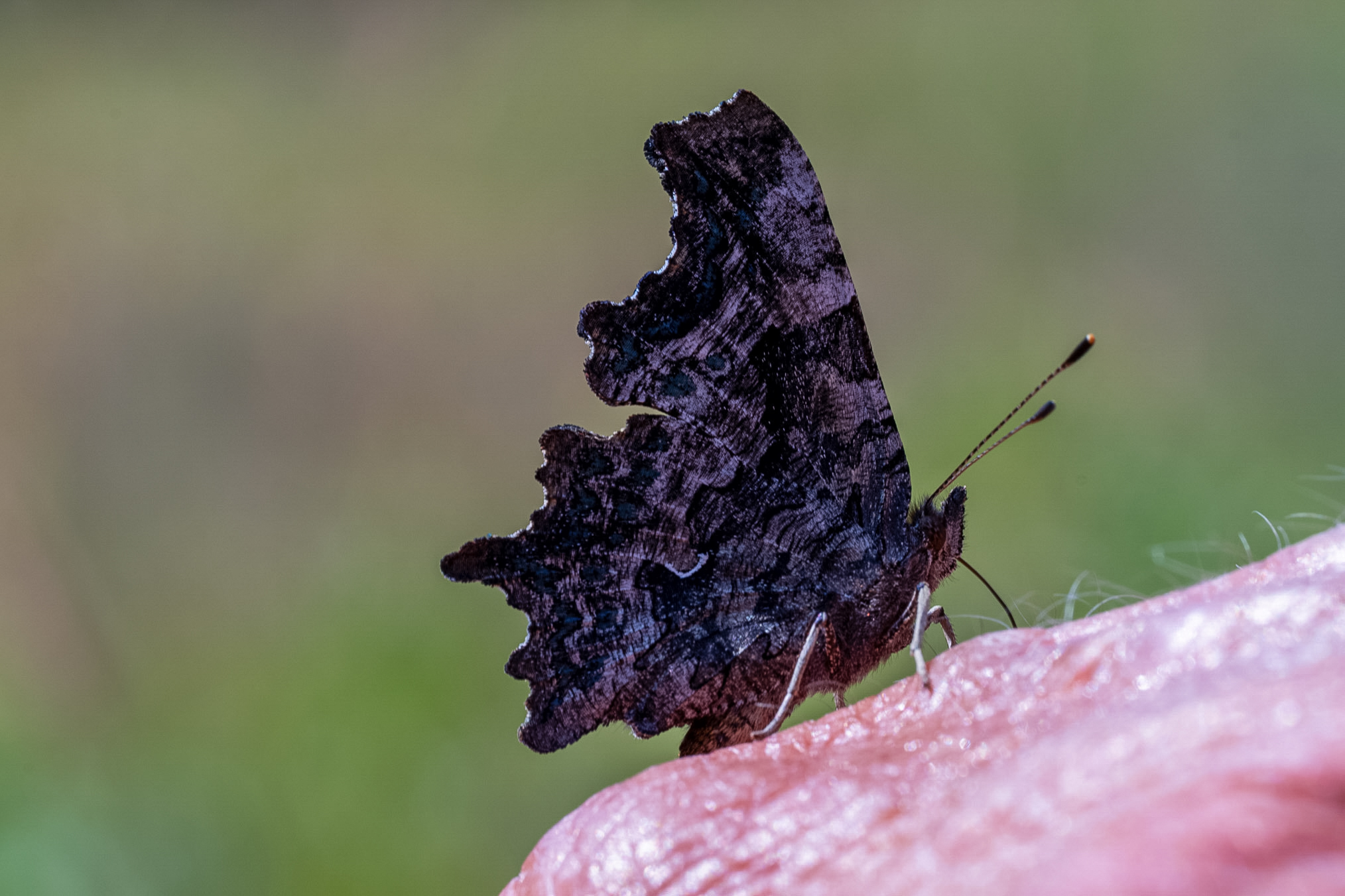
The same specimen flew to my hand and landed on my hand. I grabbed a camera and walked over to the picnic table nearby and managed to capture this shot of the butterfly sampling fluids from my hand.
This was one of only two satyrs that I saw on the day. In the trap you can see a Polygonia faunus.
A nice view of an Argynnis mormonia.
Here's a close up of the Polygonis satyr.
Another worn faunus nectaring on a thistle.
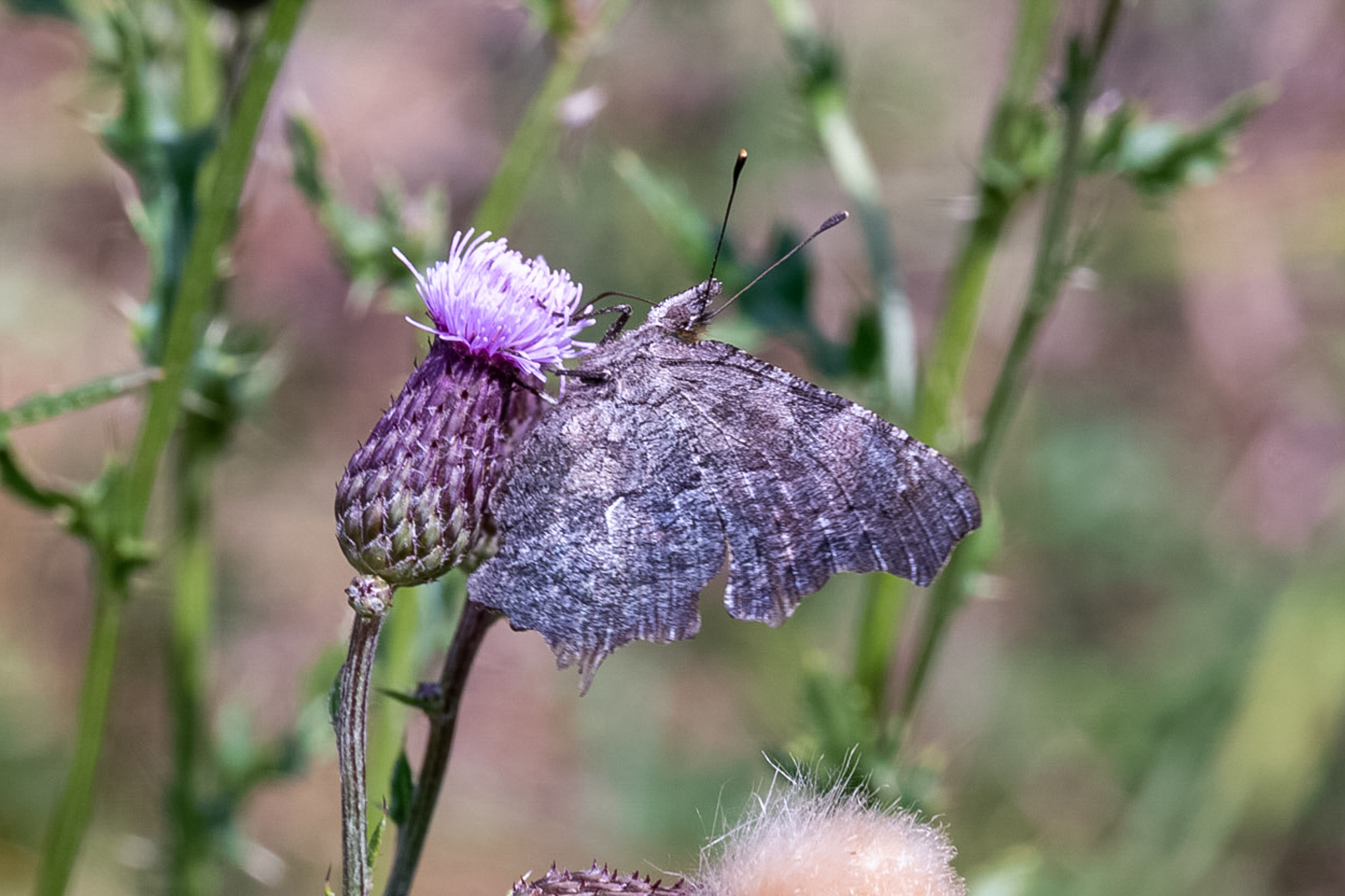
Argynnis mormonia.
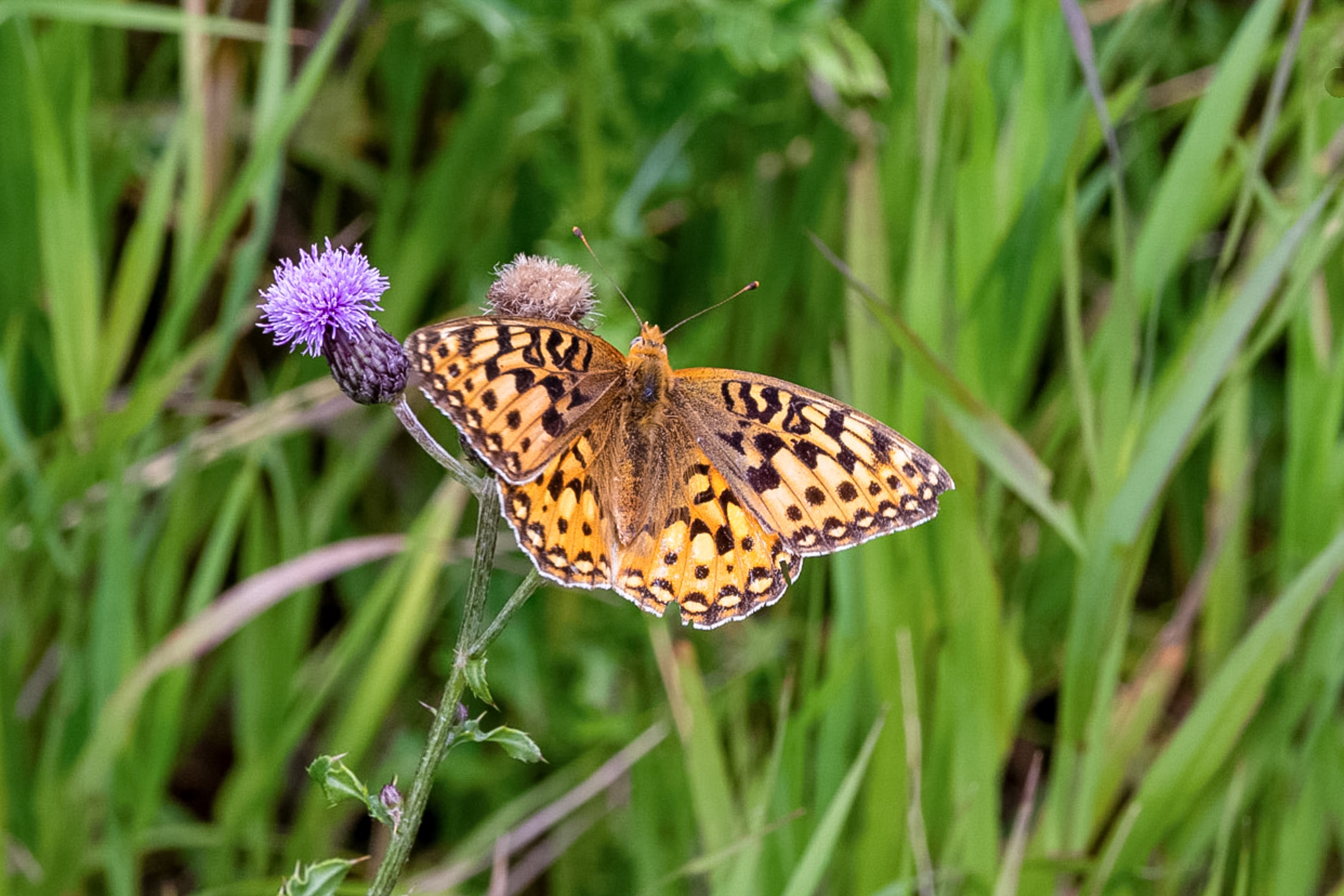
Argynnis mormonia.
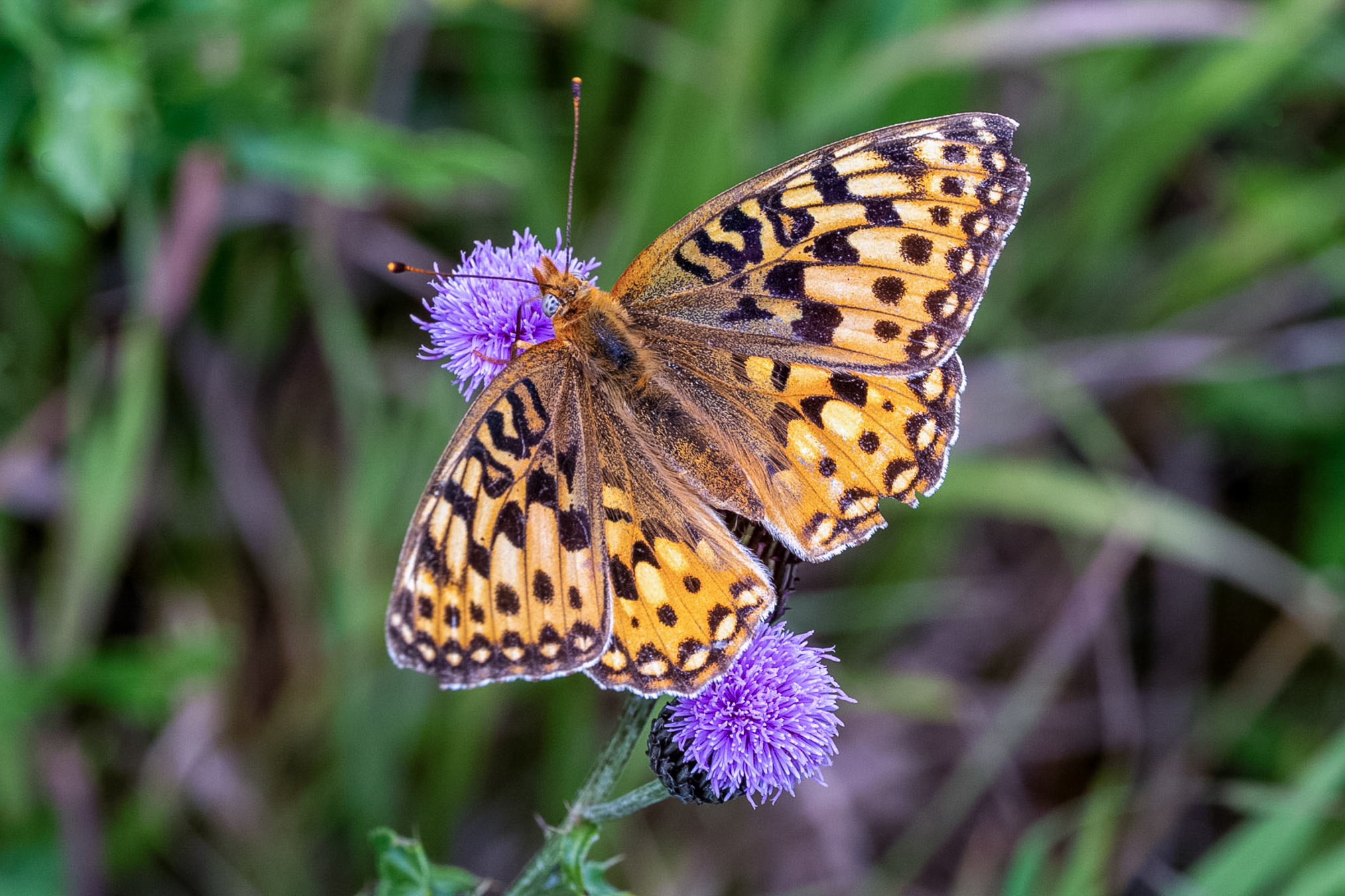
Argynnis mormonia
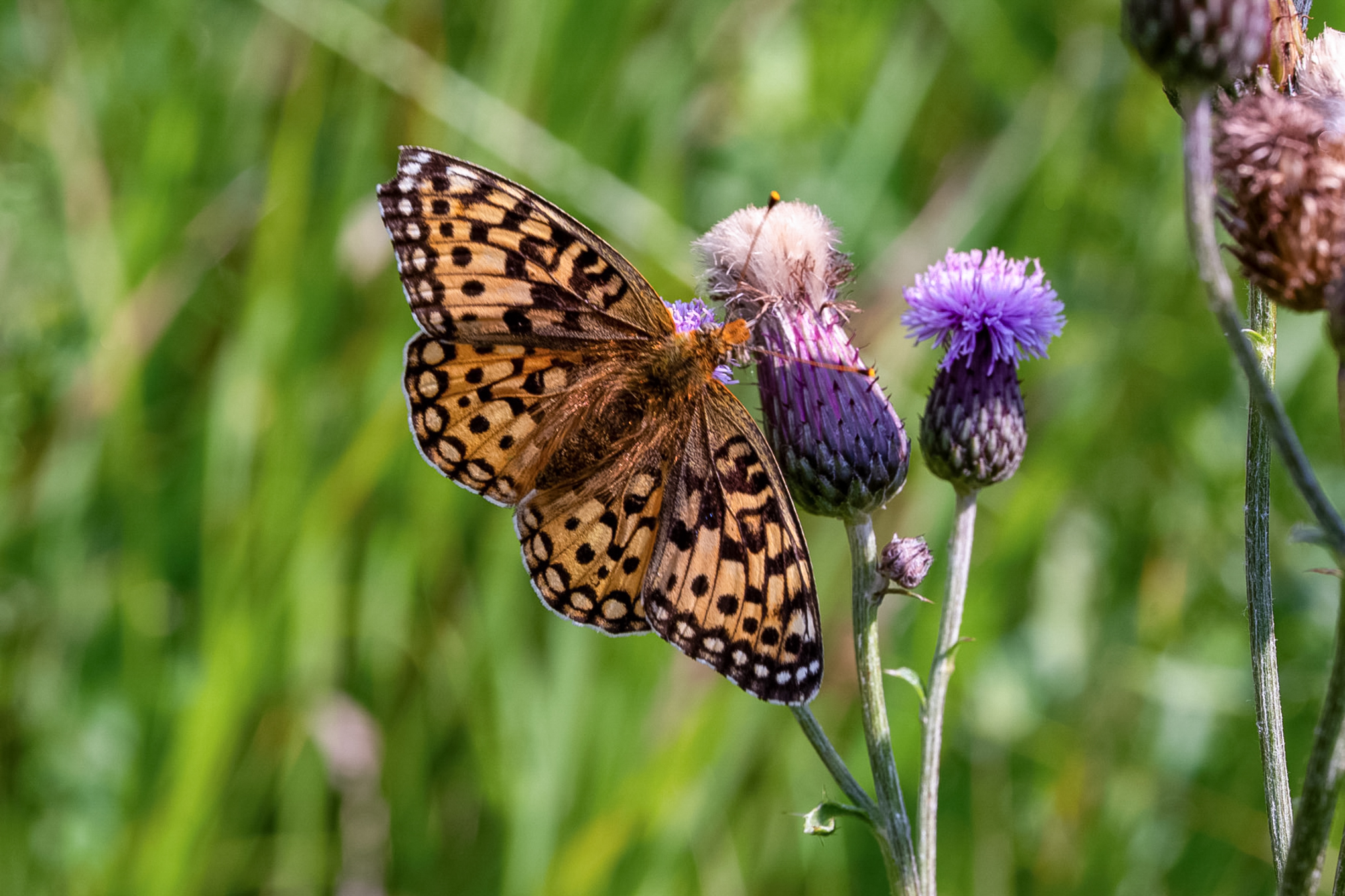
Argynnis zerene, a female.
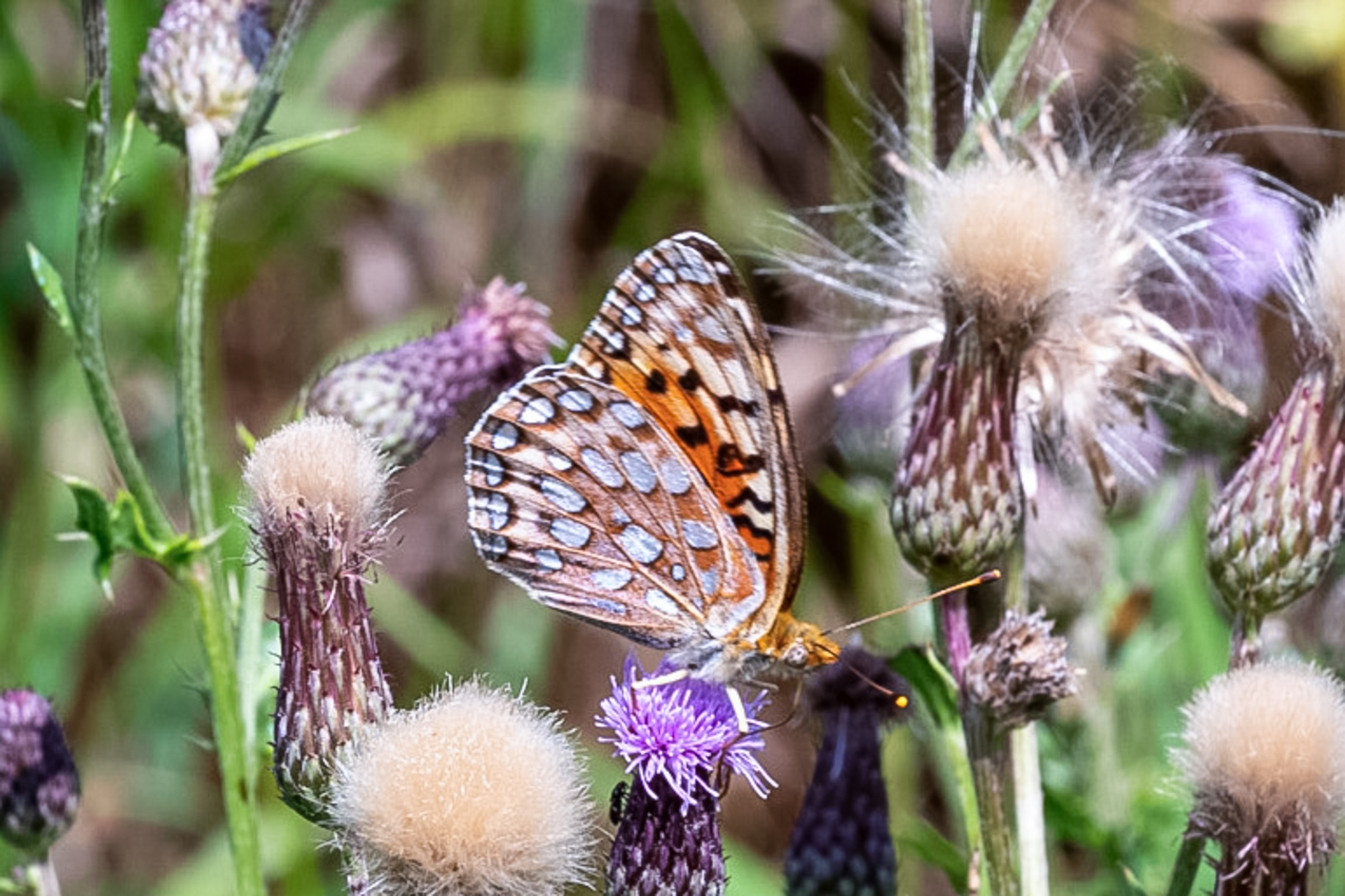
Argynnis mormonia.
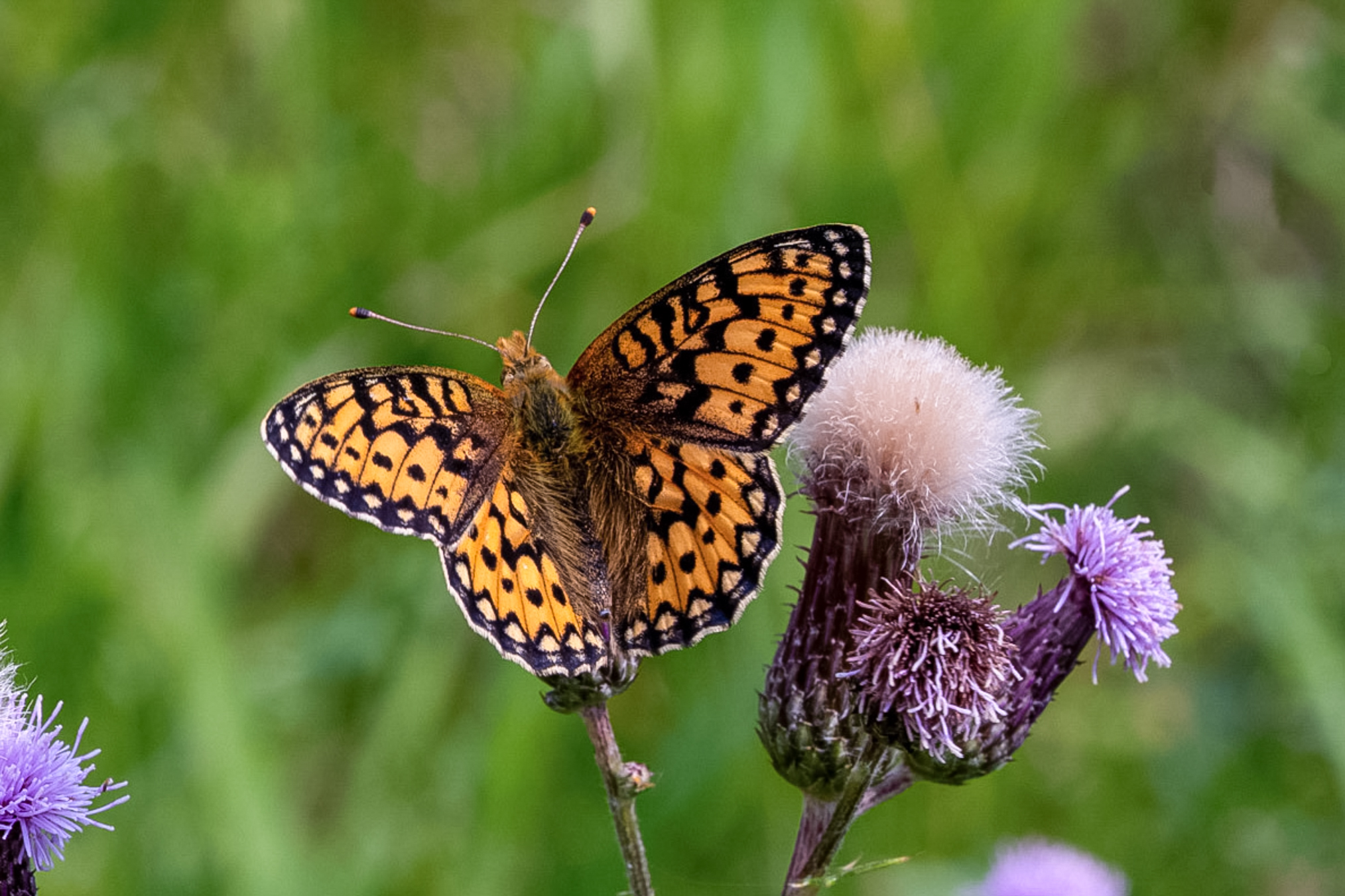
Argynnis mormonia
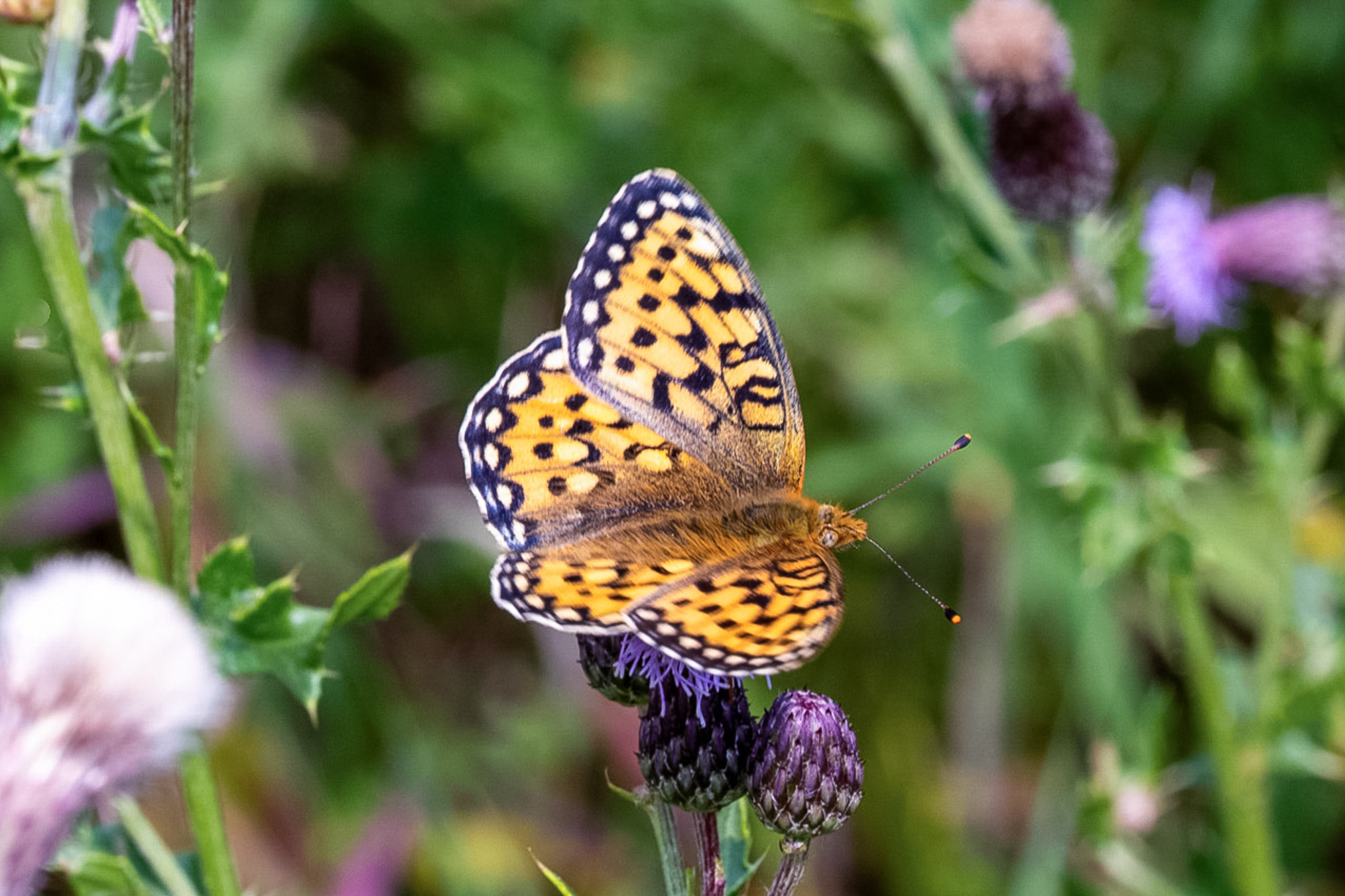
Argynnis zerene.
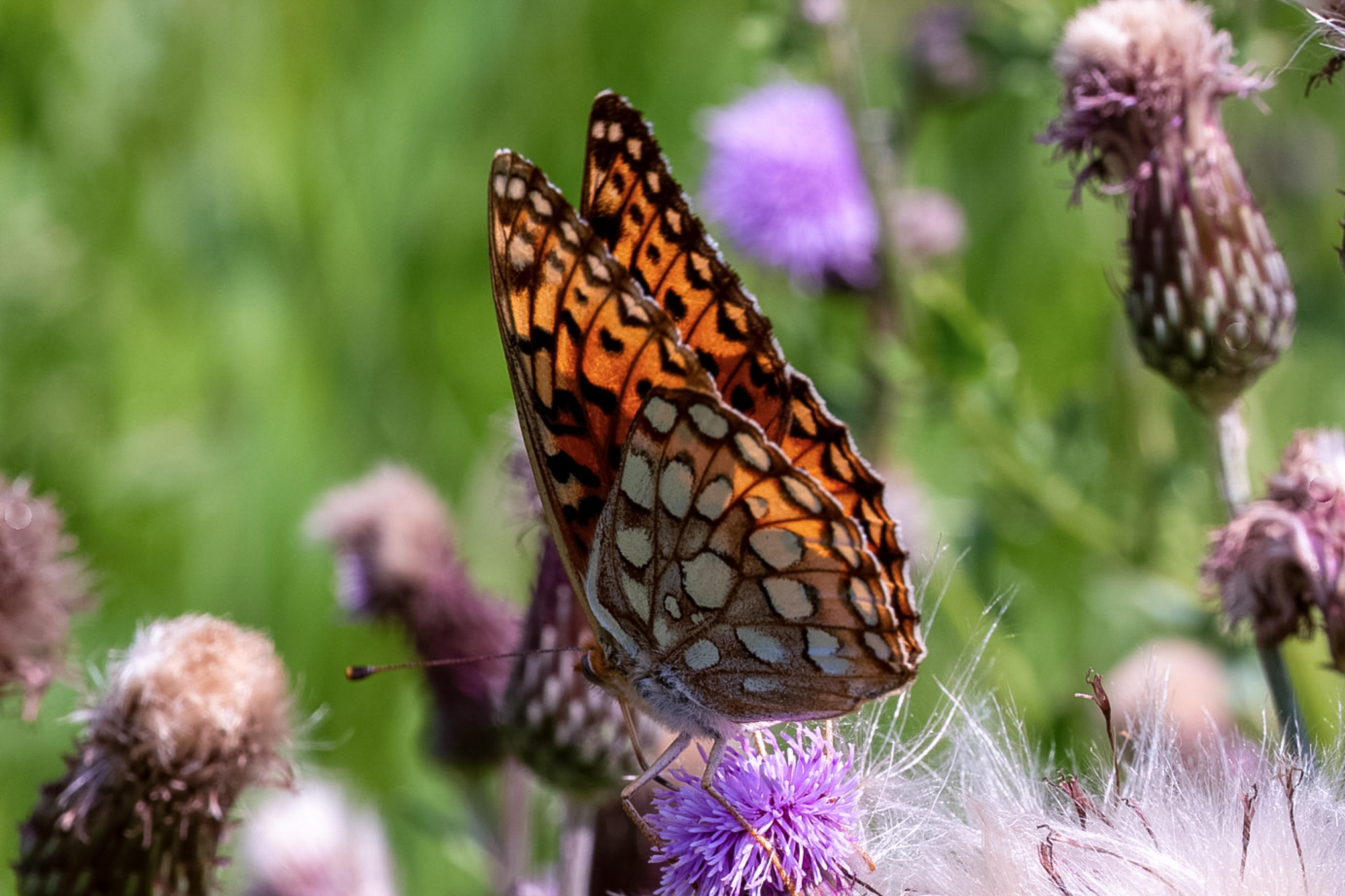
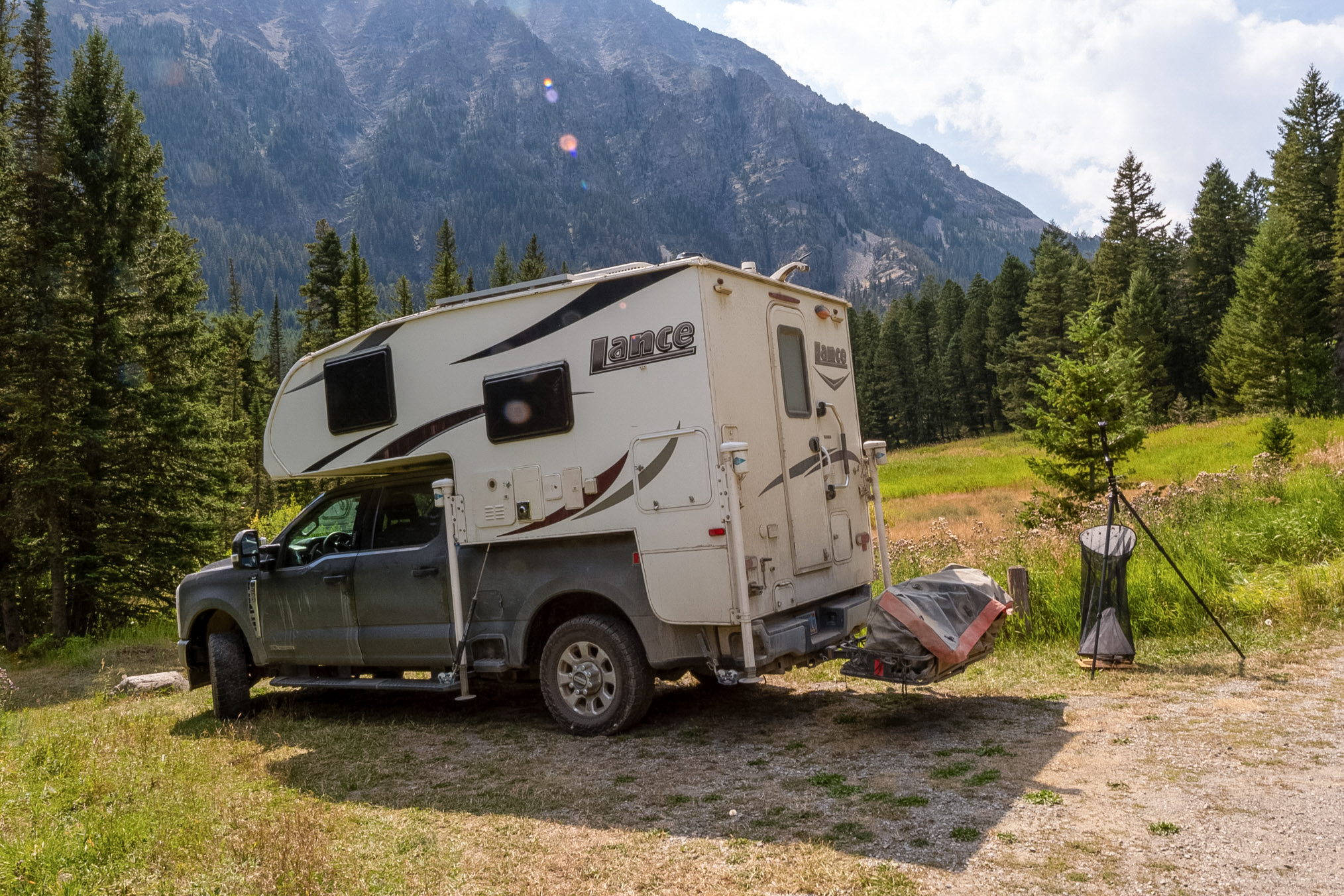
My rig with the nearby trap.
This was later in the day after sunset along the Gallatin river in Wyoming. It was a nice scene but I really couldn't get the camera settings right for the photo.
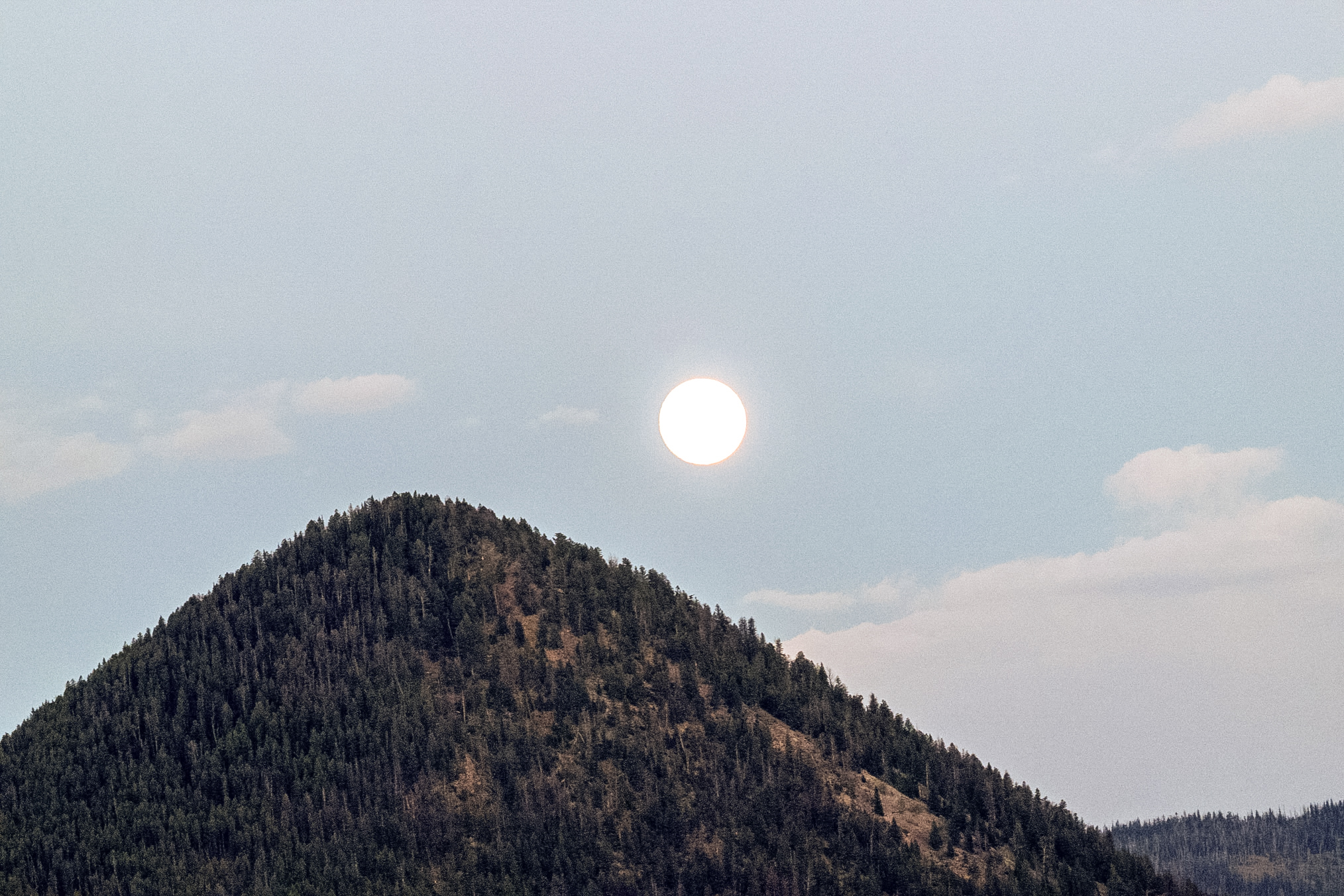
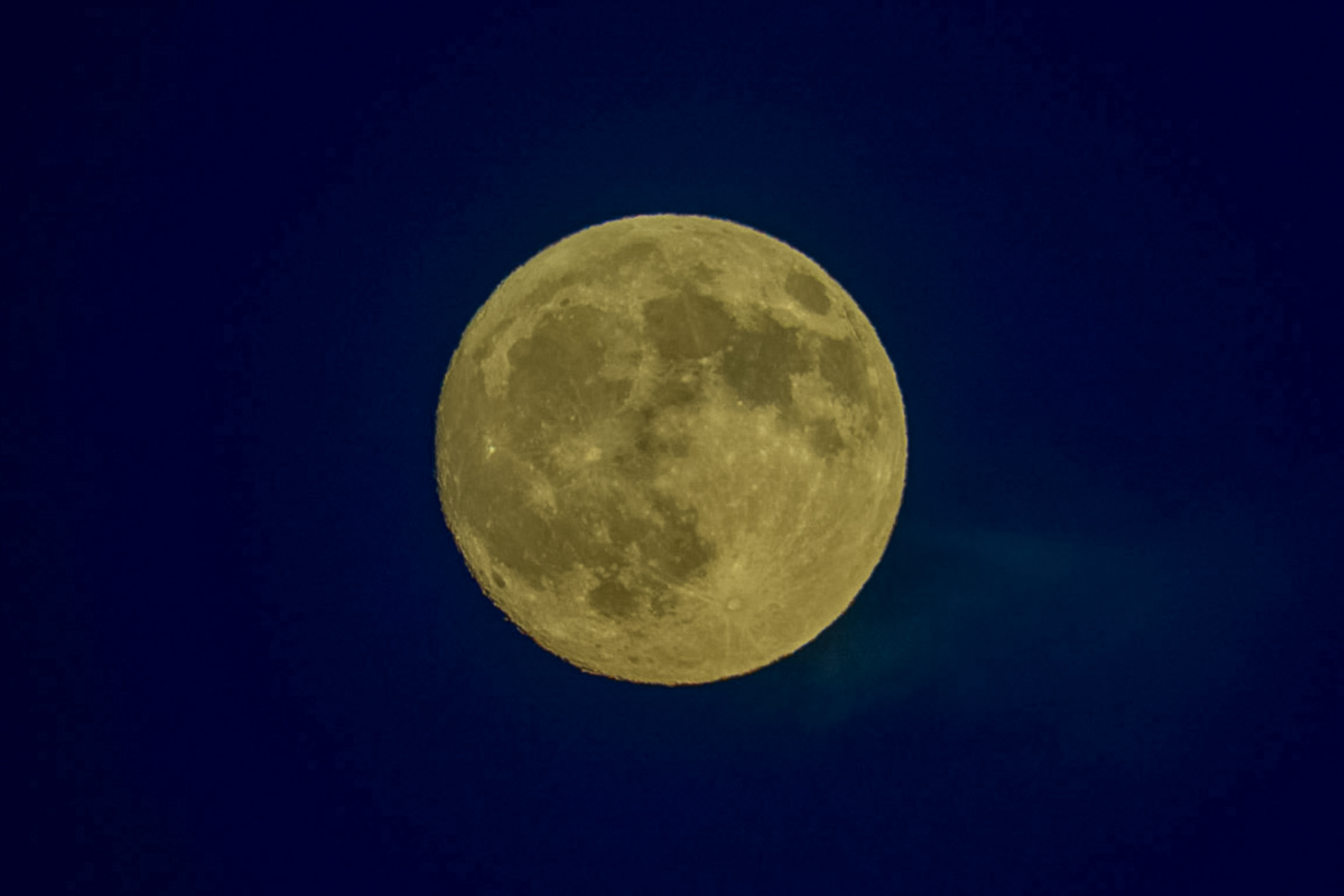
This was taken with my 186 Nikon lens at full 600 mm. One of the best photos of a celestial object that I've ever taken.
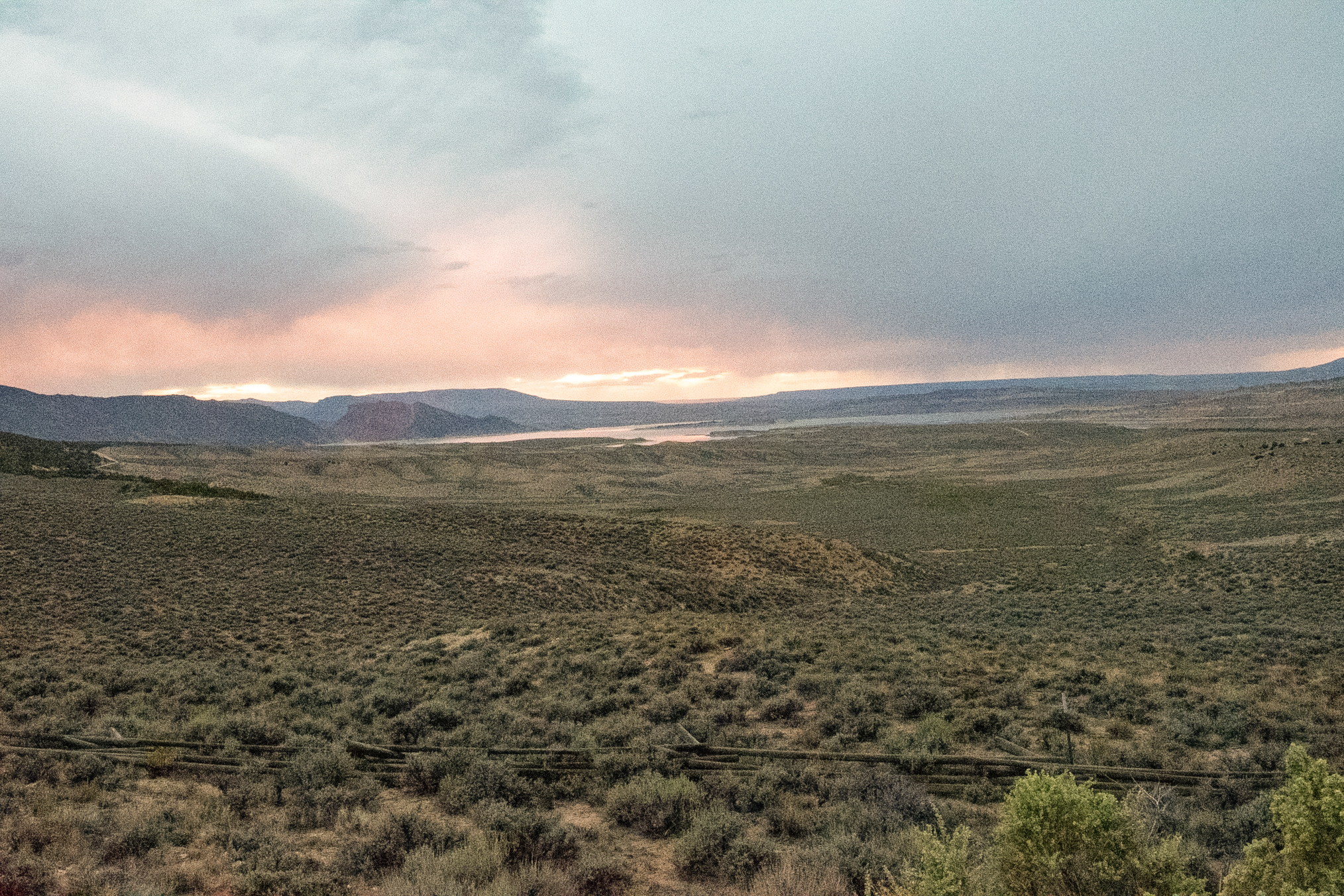
Sunset just to the north east of Dutch John, Utah. August 27th.
My goal was to sample faunus along Brush Creek at a hairpin curve on the Red Cloud Loop, near Vernal, UT. I took these photos of the creek and I was a little concerned as the creek was rather shallow but the rocks were really muddy. This suggested a recent severe downpour that brought a lot of mud through the creek. Such a rainfall would have damaged the butterflies. This is looking just upstream from the bridge.
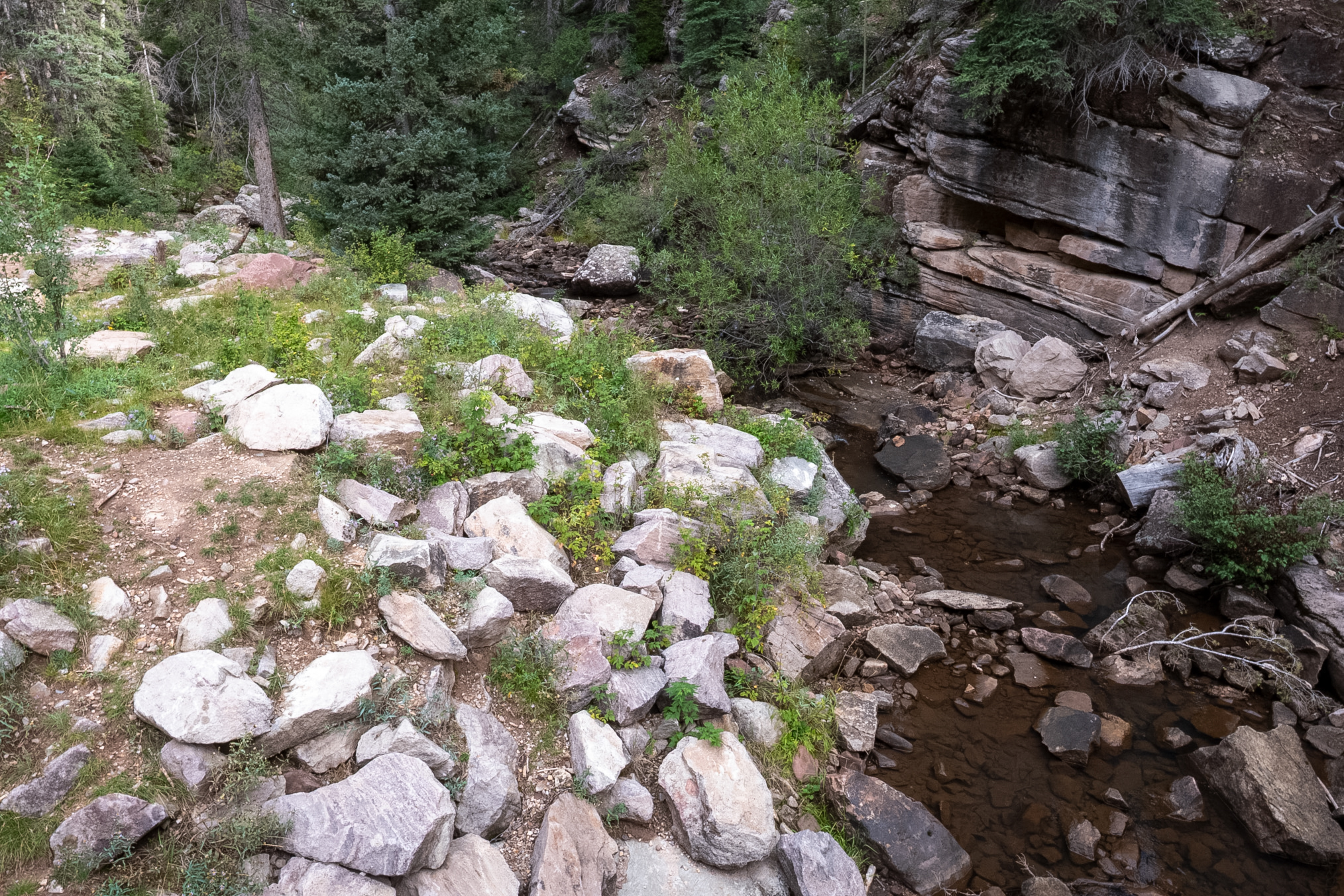
And this view is just a little further upstream.
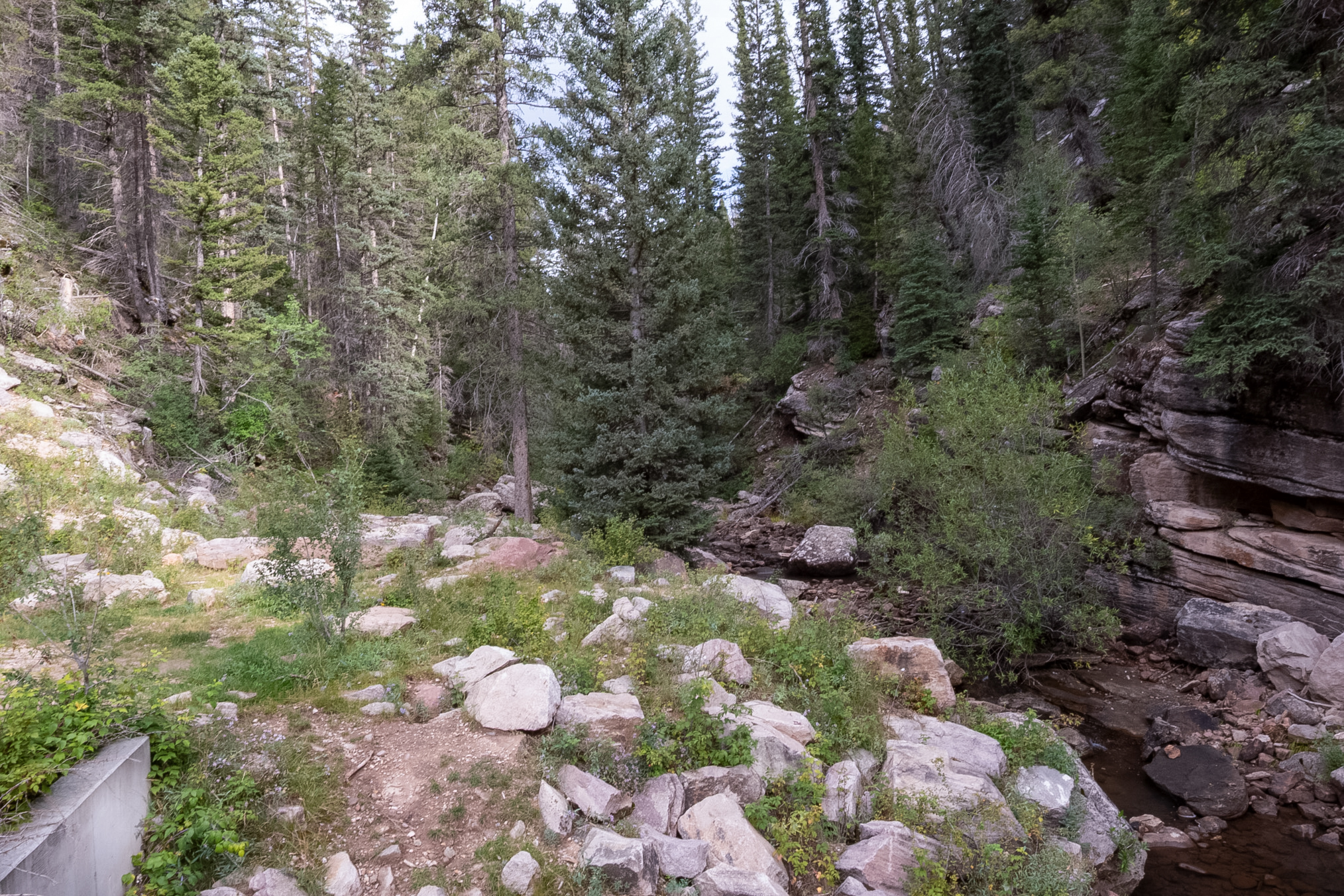
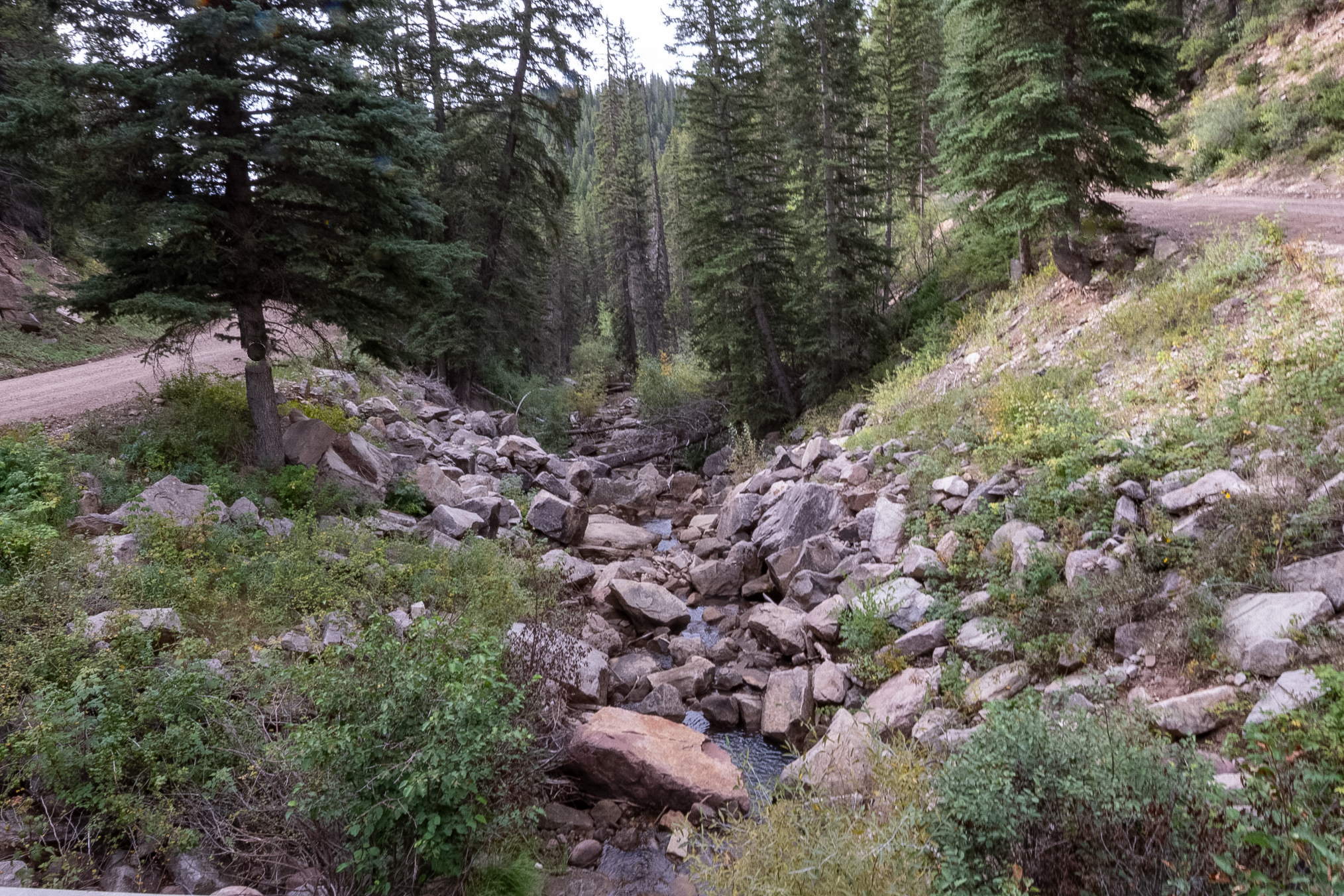
And this view is downstream from the bridge. You can see the incoming and outcoming roads on either side. Both are uphill which will be an important consideration in several hours.
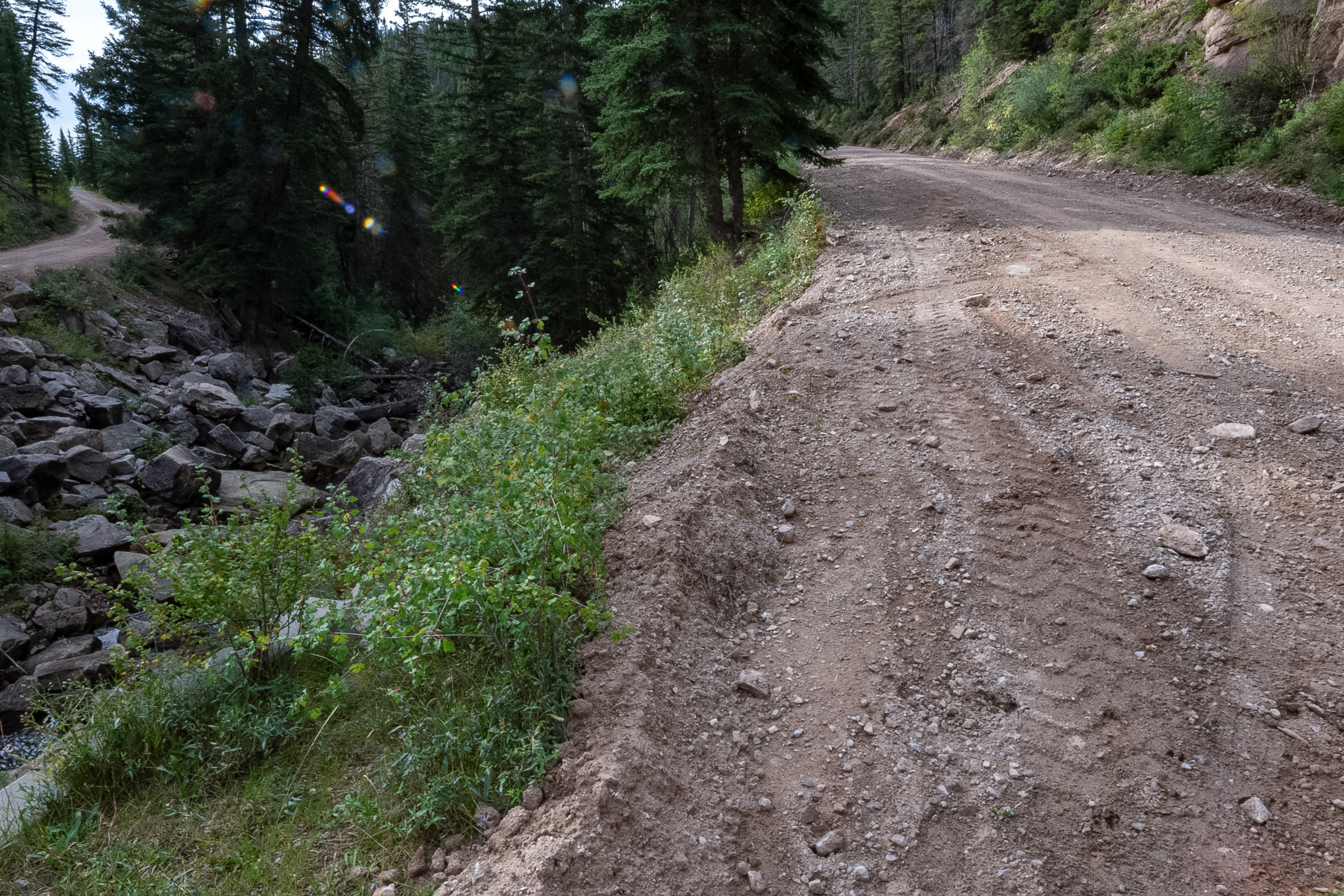
This shows the road to the uphill side how it had been recently plowed. The road looked a little too reddish, sggesting it was holding a lot of moisture which also suggests a recent downpour.
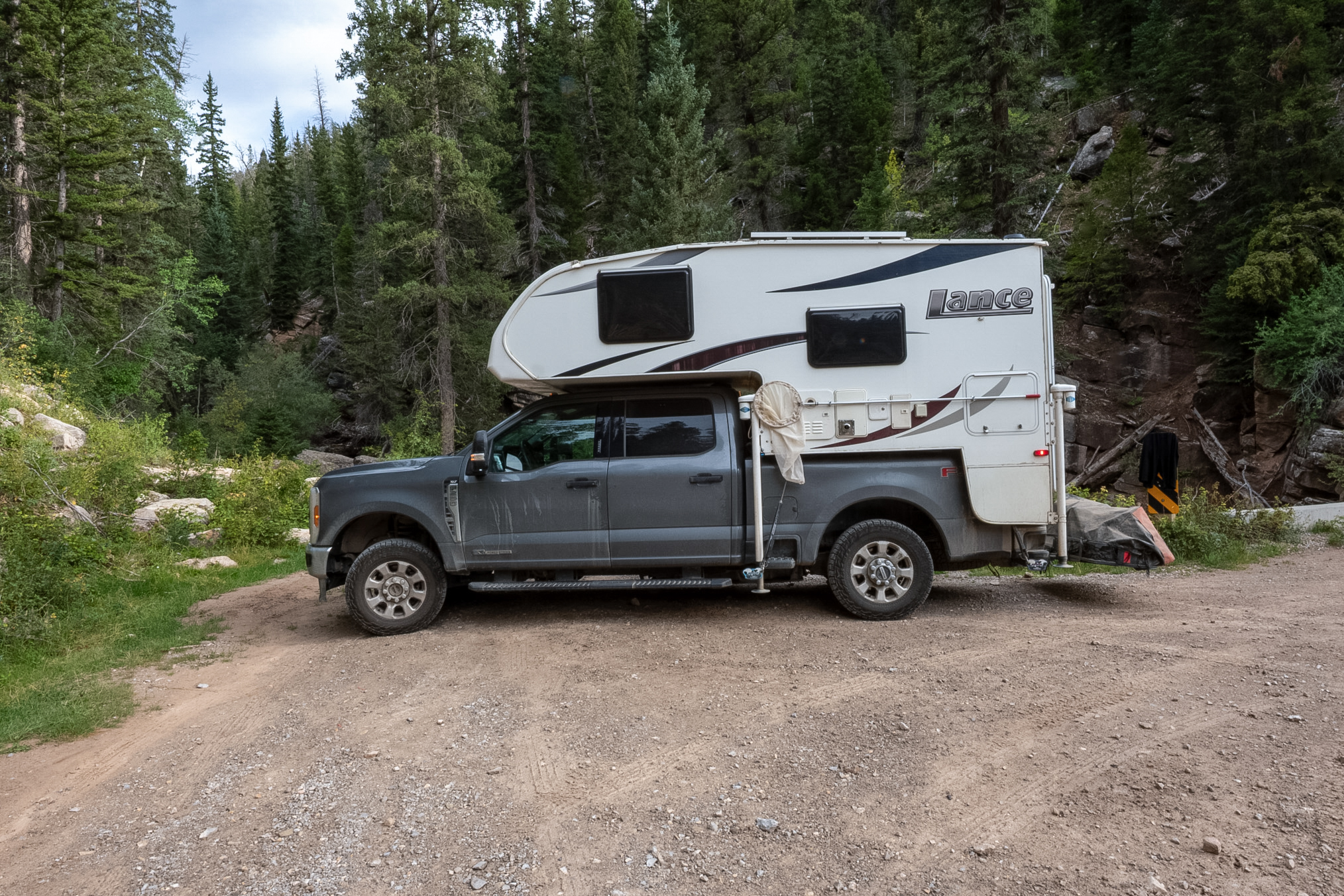
Here's my rig parked at a little turn out along the bridge. I would spend a night here.
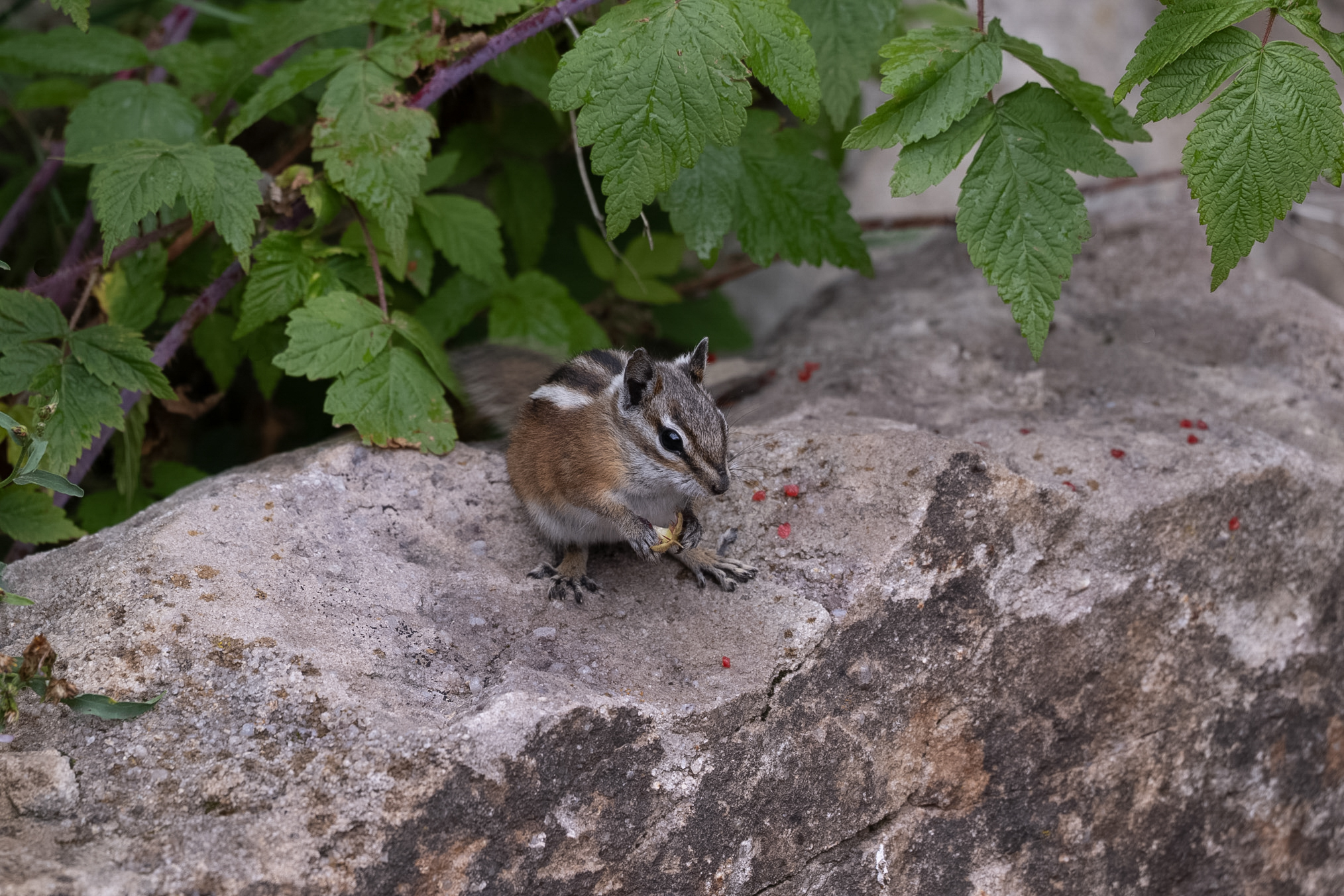
Lots of chipmunks.
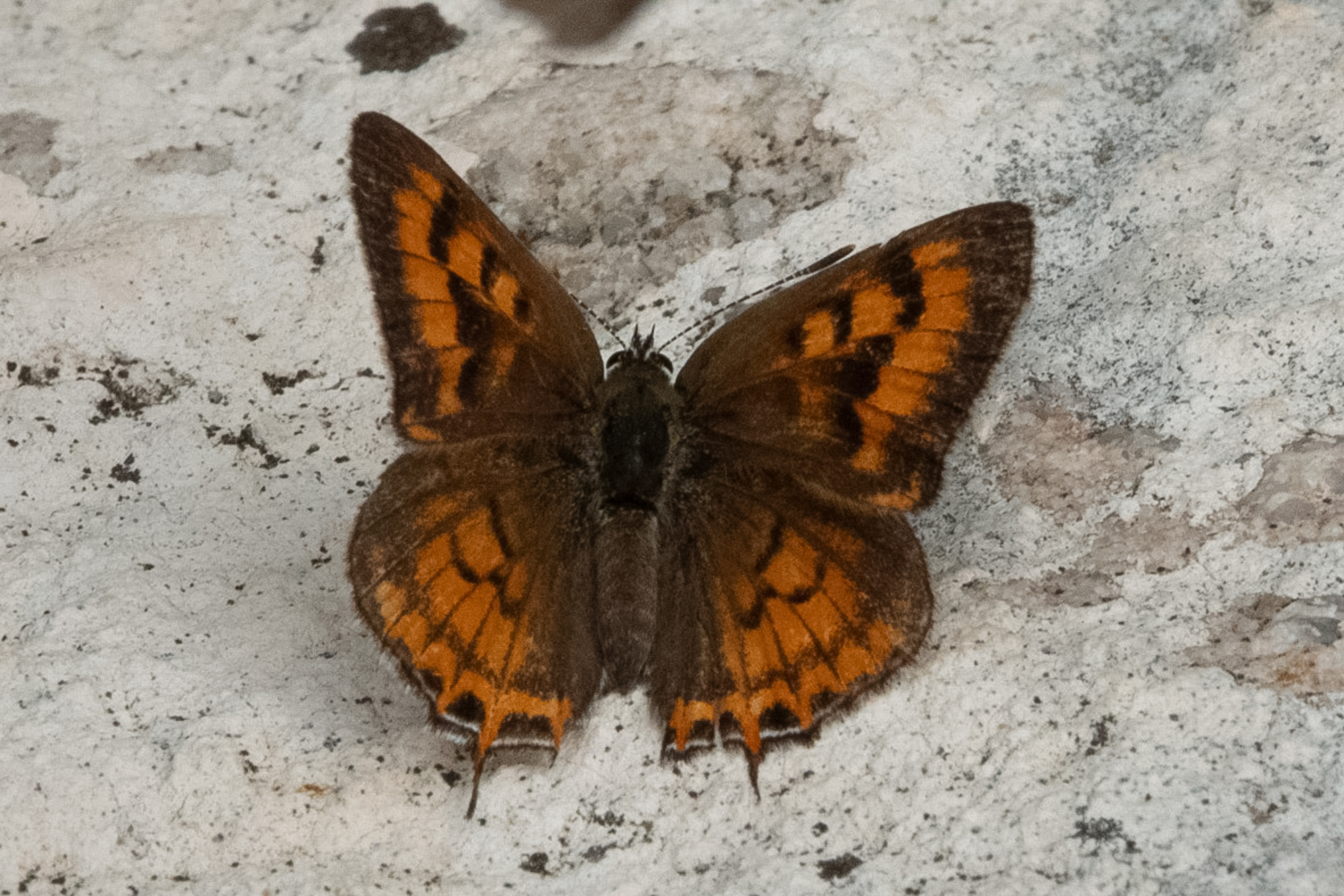
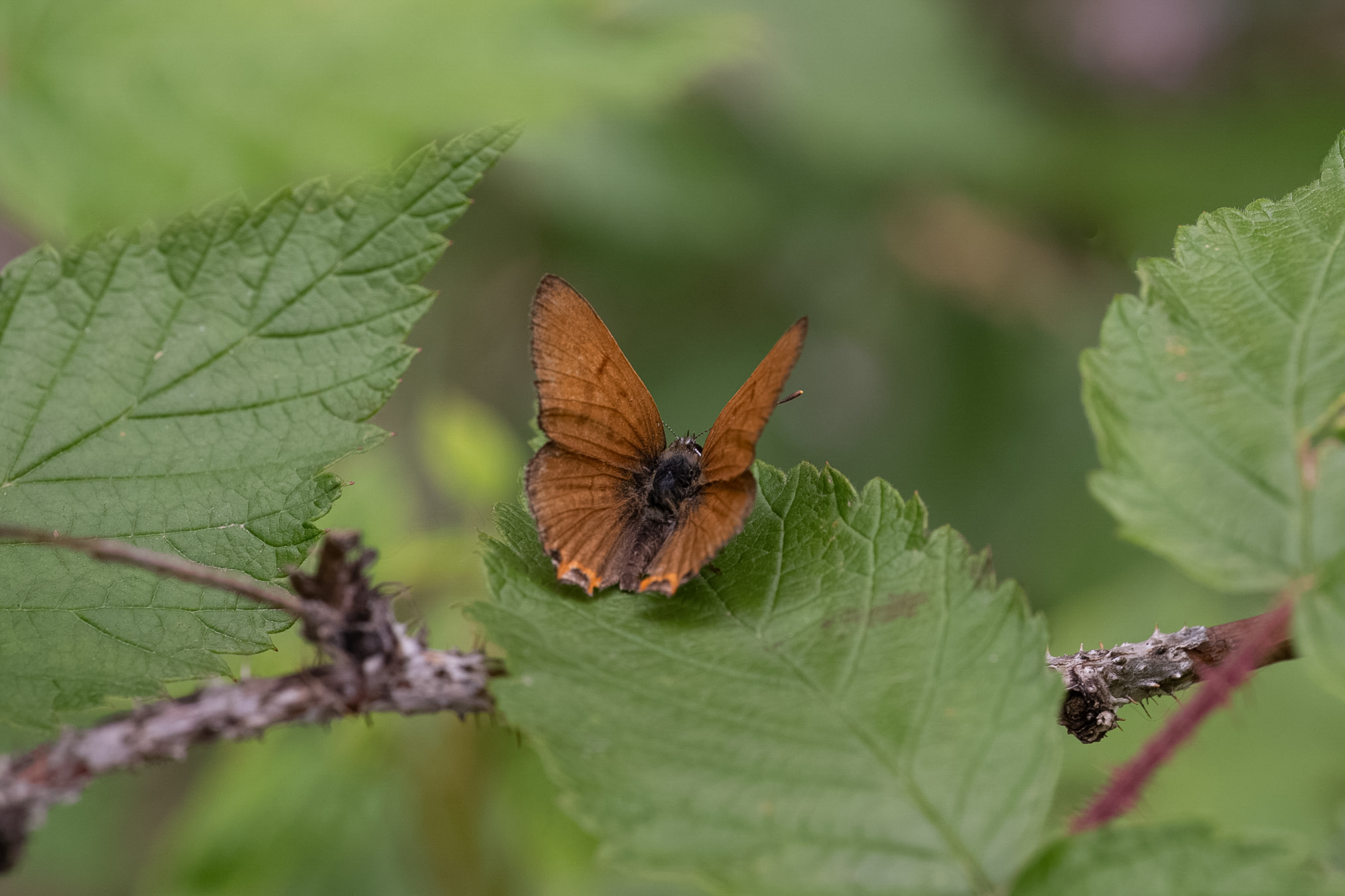
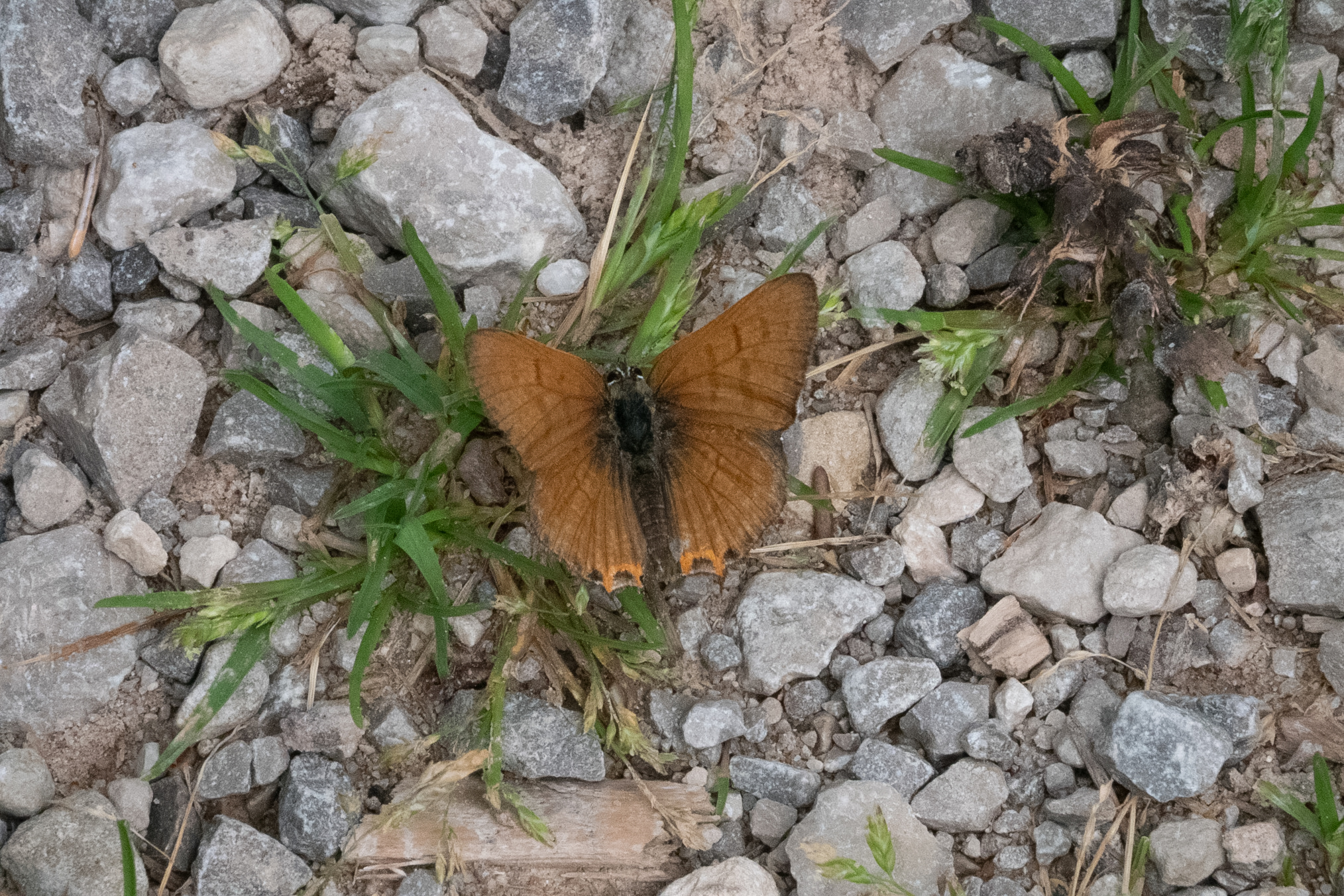
A Lycaena arota resting with its wings spread flat against a light gray rock. The upperside of this female specimen showcases a rich orange and dark brown pattern, accented by distinctive, thread-like tails extending from the outer margin of the lower hindwings.
The same specimen.
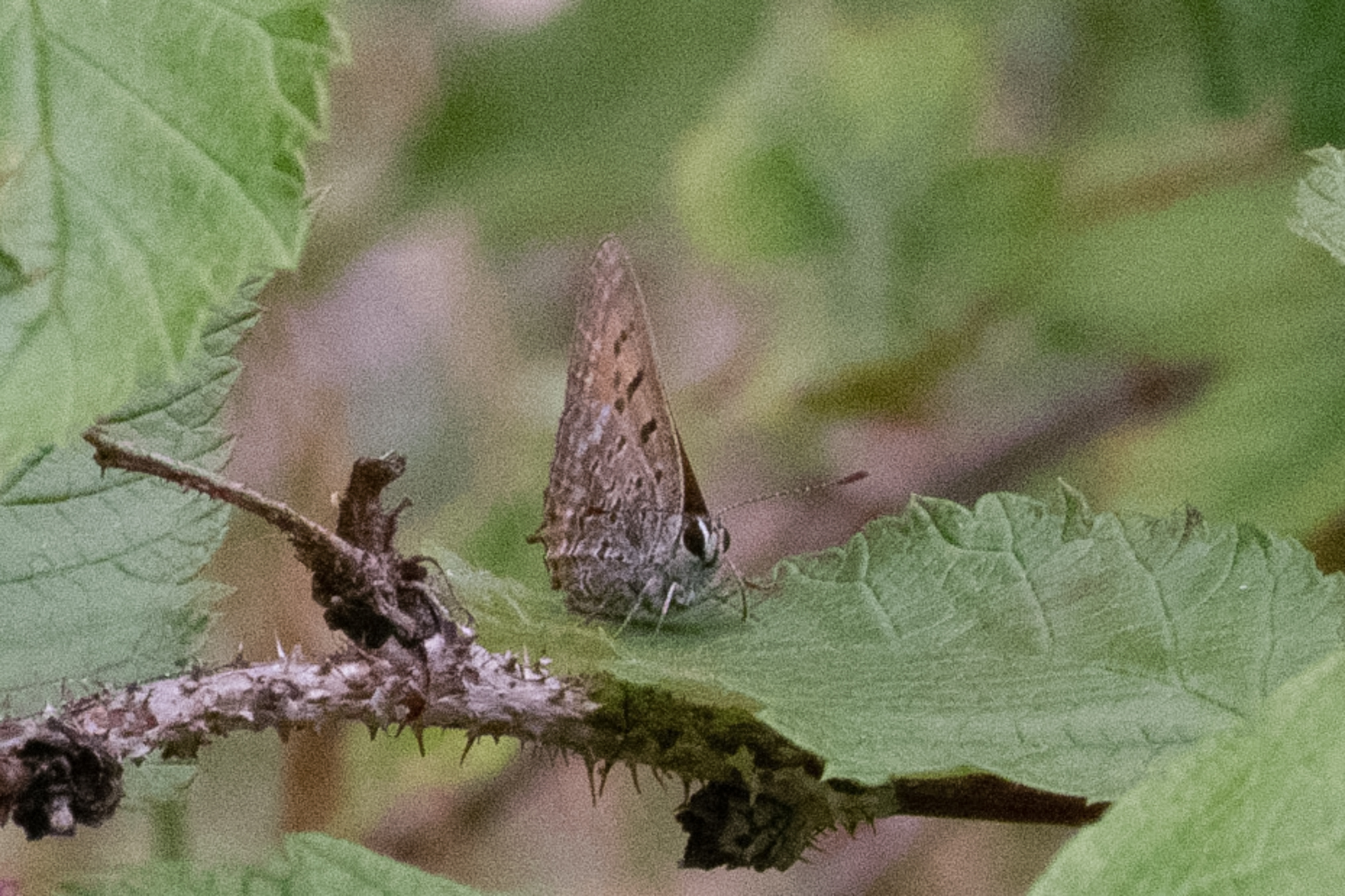
Another view.
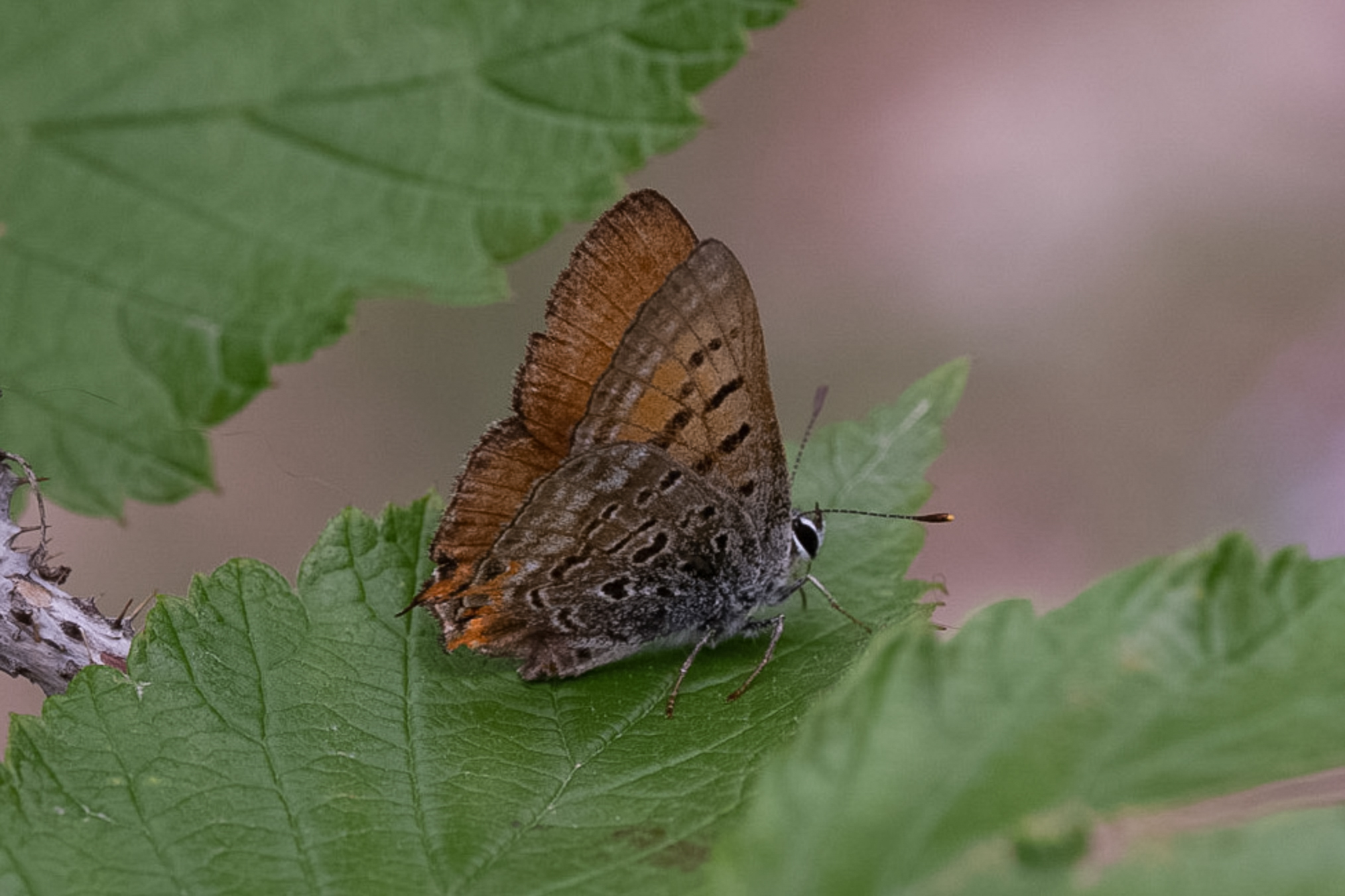
A different specimen.
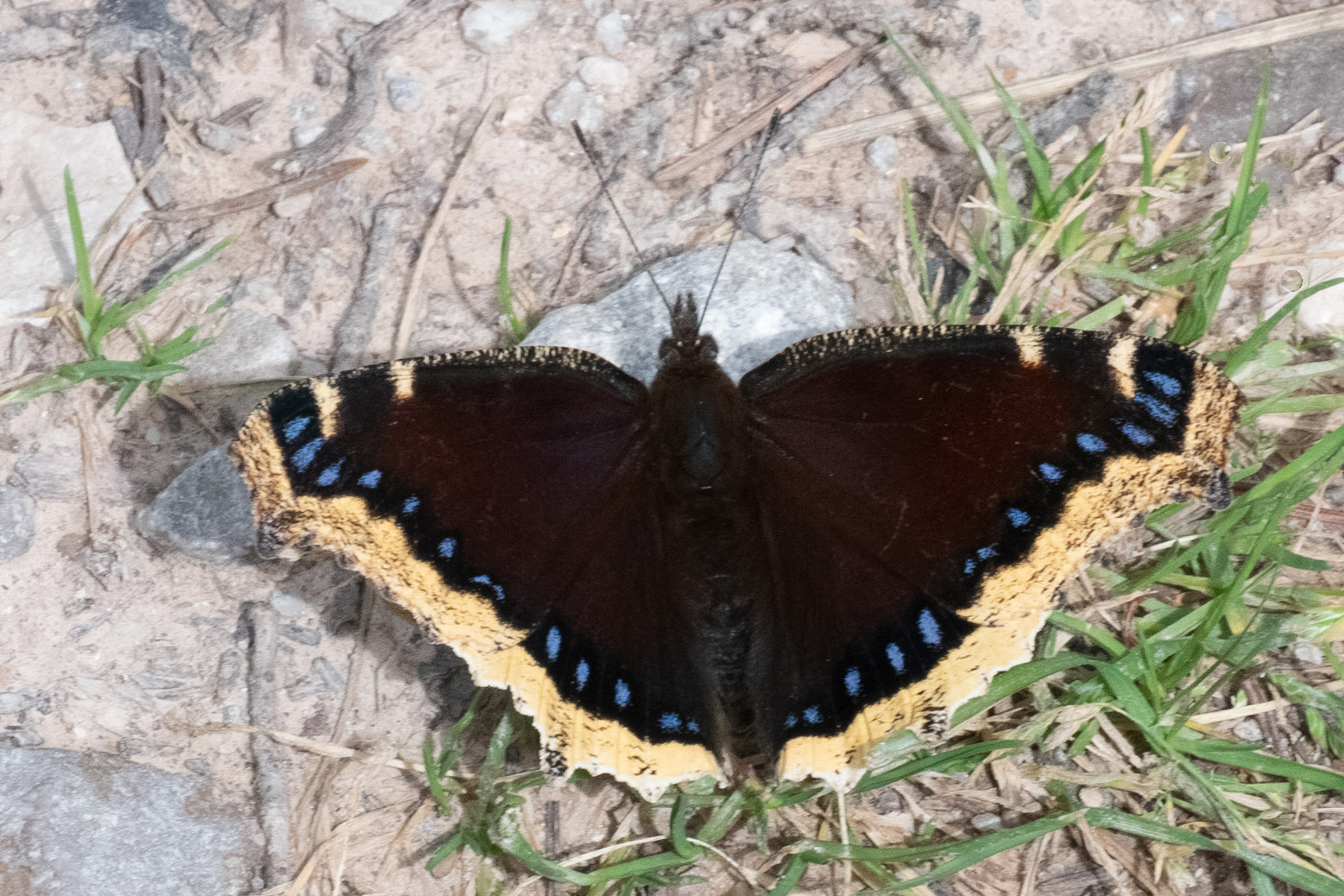
I did see 3 N. antiopa this day and managed to net them all.
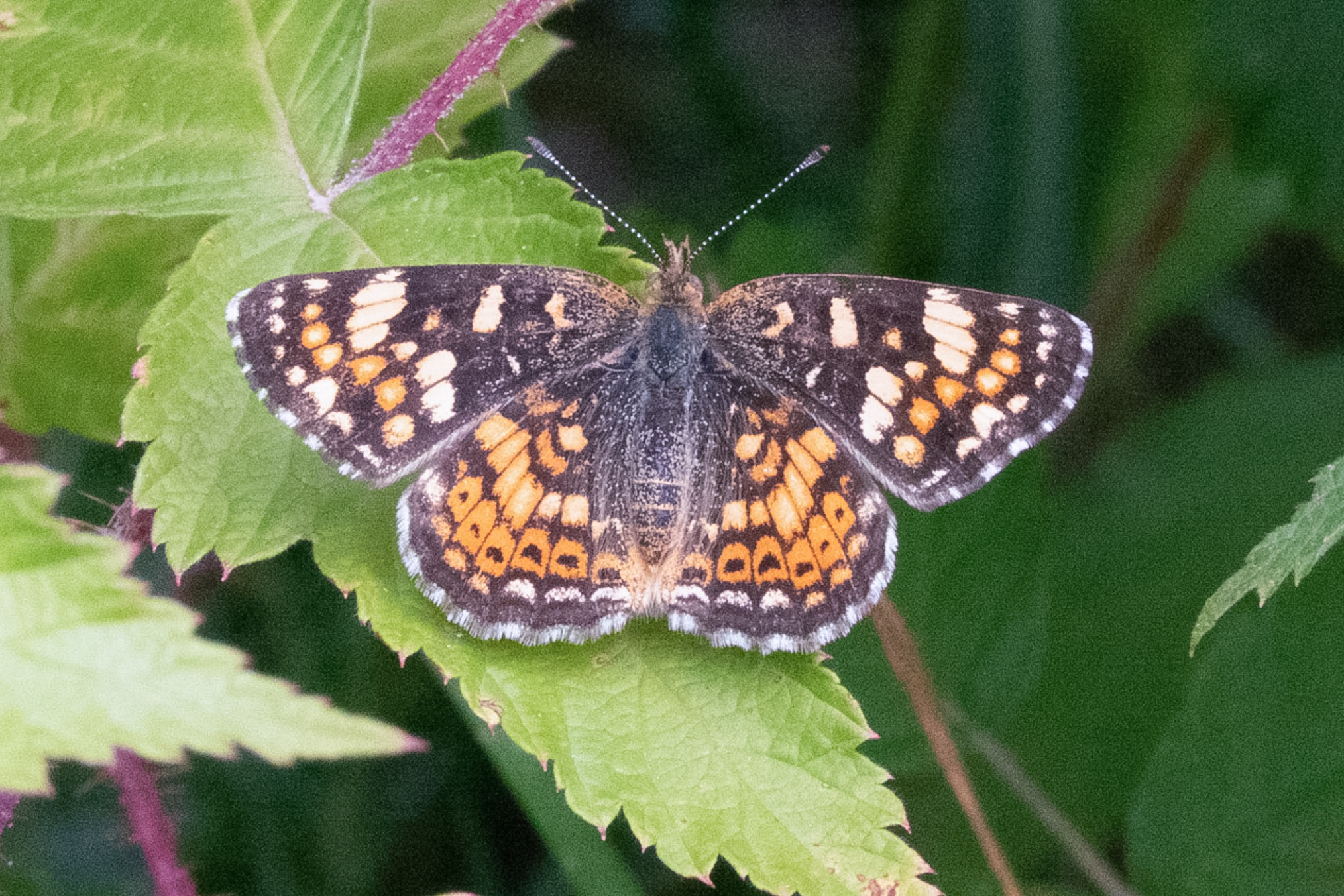
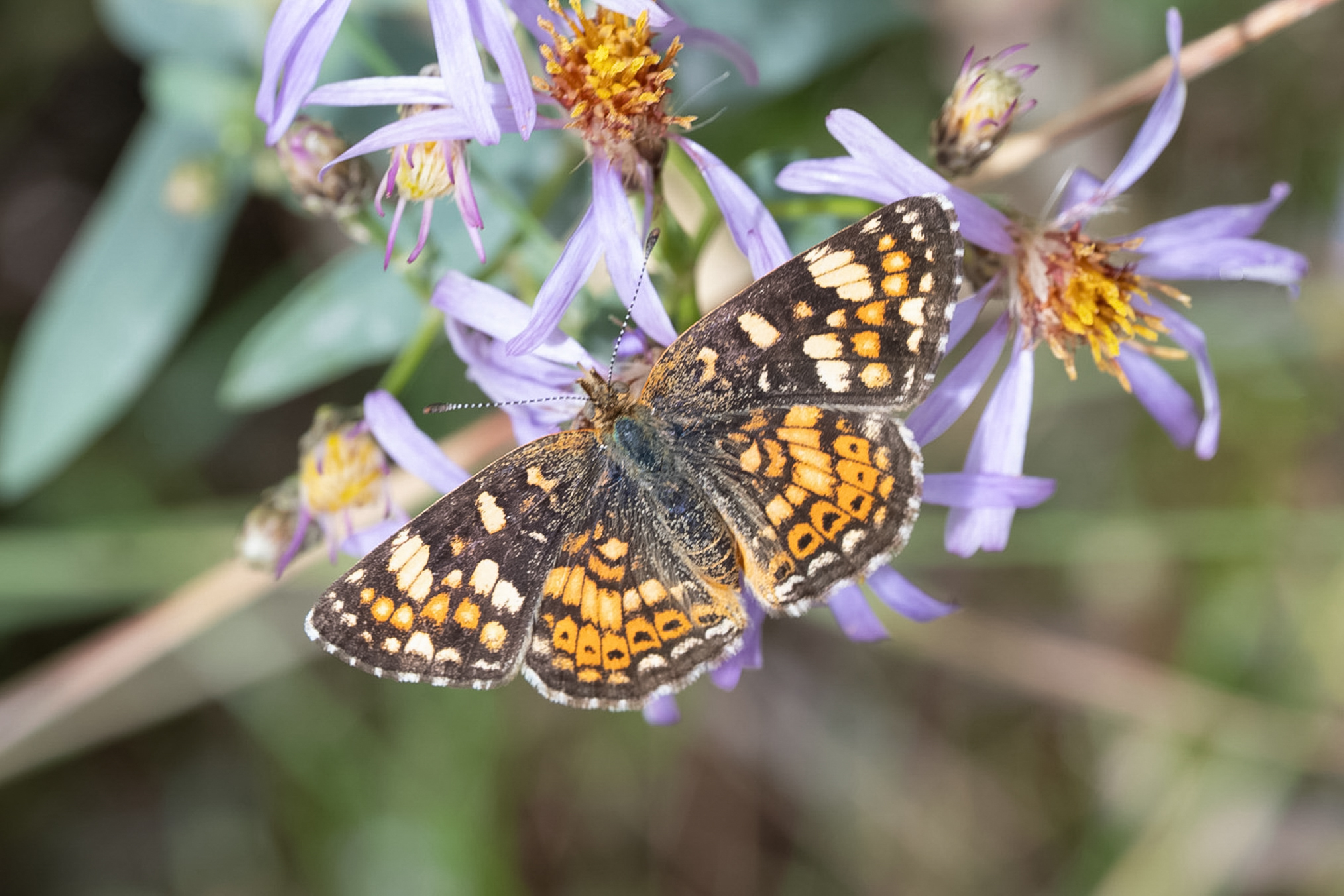
A Phyciodes pulchella resting with its wings spread flat on a green leaf.
A male Lycaena aorta. Note that all are worn.
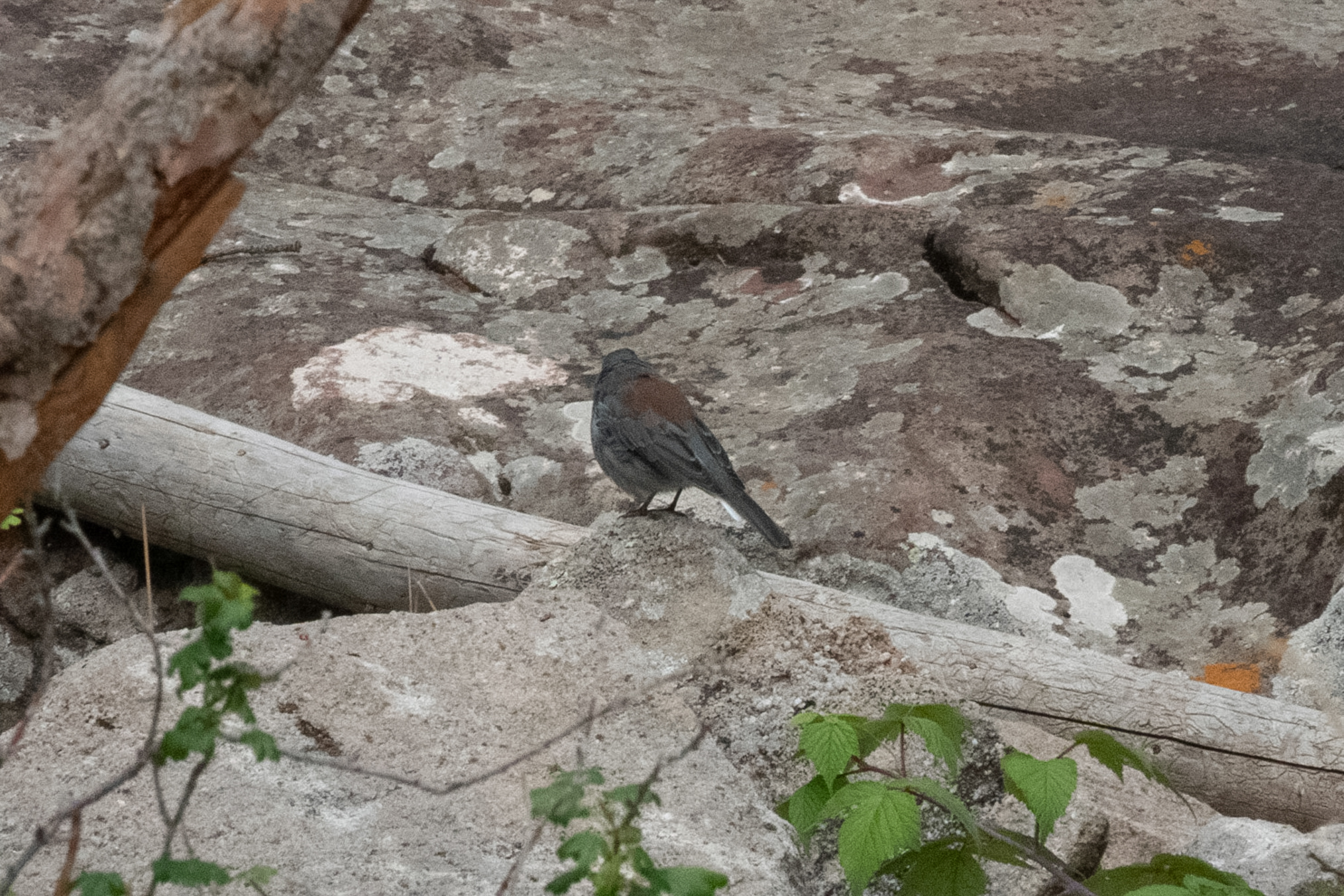
A Yellow-eyed Junco (Junco phaeonotus) perched on a stone outcrop against a rocky background. The bird displays a slate-gray head and underbody contrasted sharply with a bright, reddish-brown "saddle" patch covering its lower back and wings.
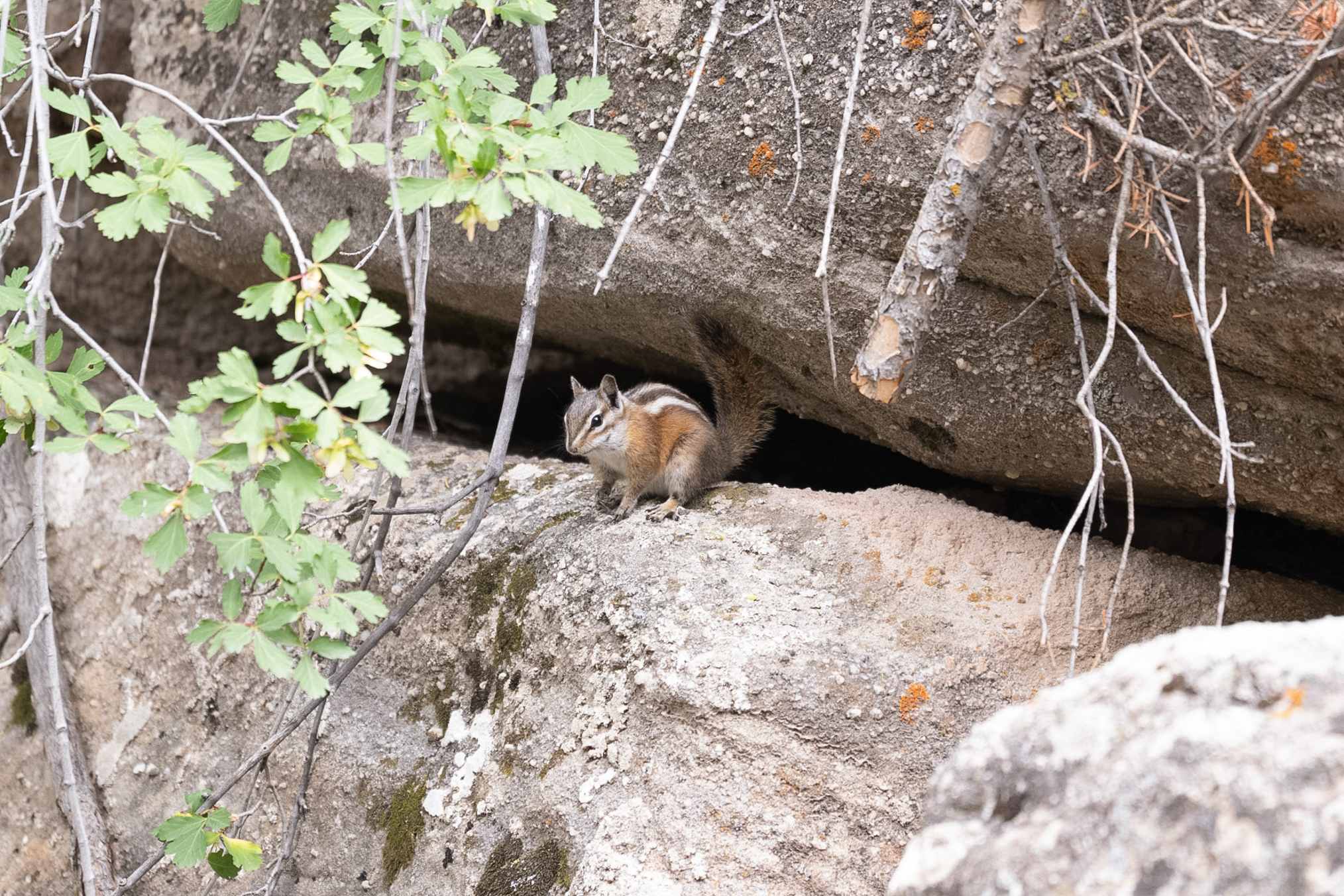
Another chipmunk. Their lair is on the other side of the creek from the truck.
Another Phyciodes pulchella.
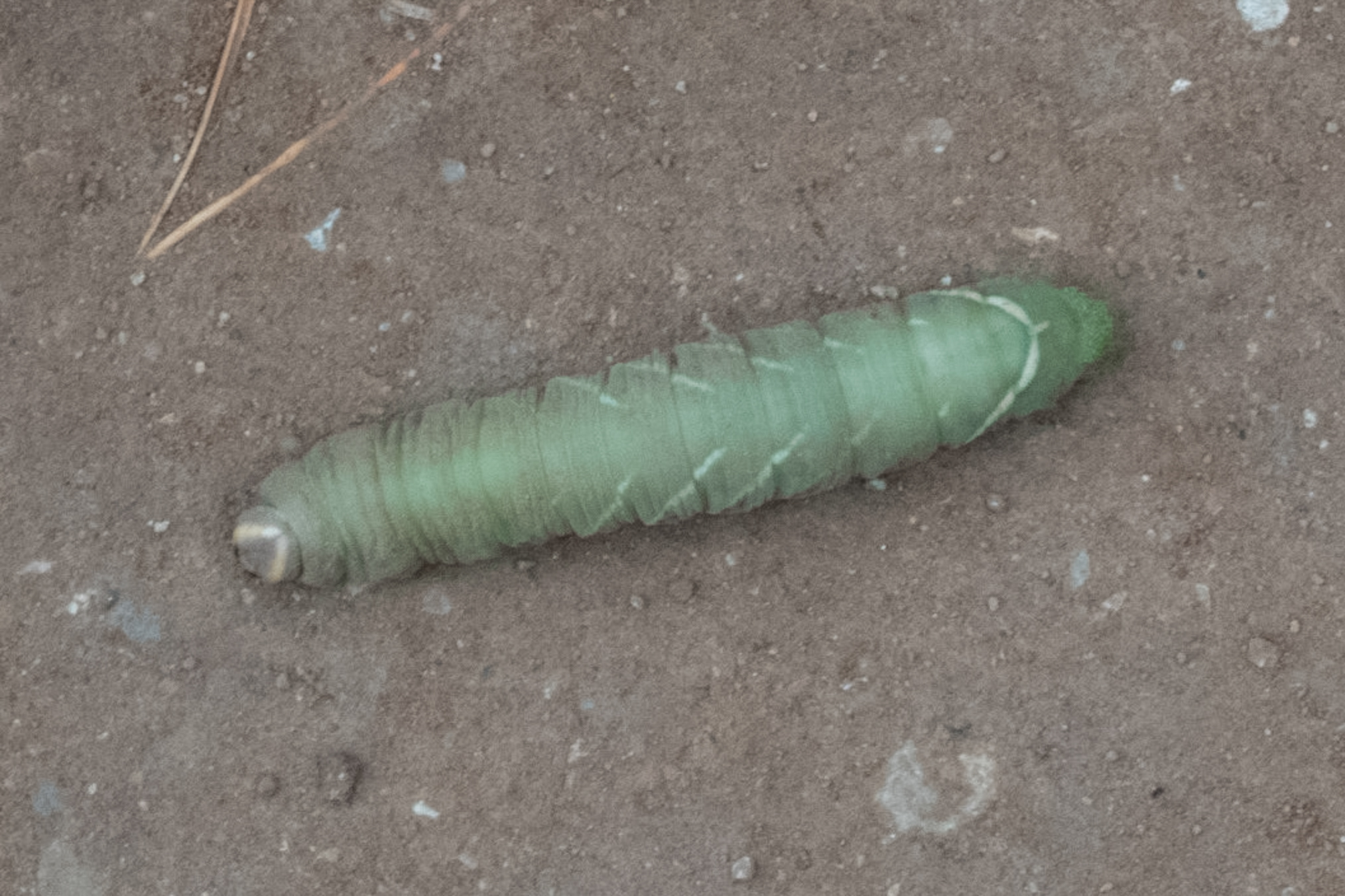
A fully grown final-instar caterpillar of the Western Poplar Sphinx (Pachysphinx occidentalis), also known as the Big Poplar Sphinx. Having finished its larval feeding cycle on nearby cottonwood or willow leaves, this mature specimen has lost its tail horn and is traversing open ground to burrow into the soil to pupate.
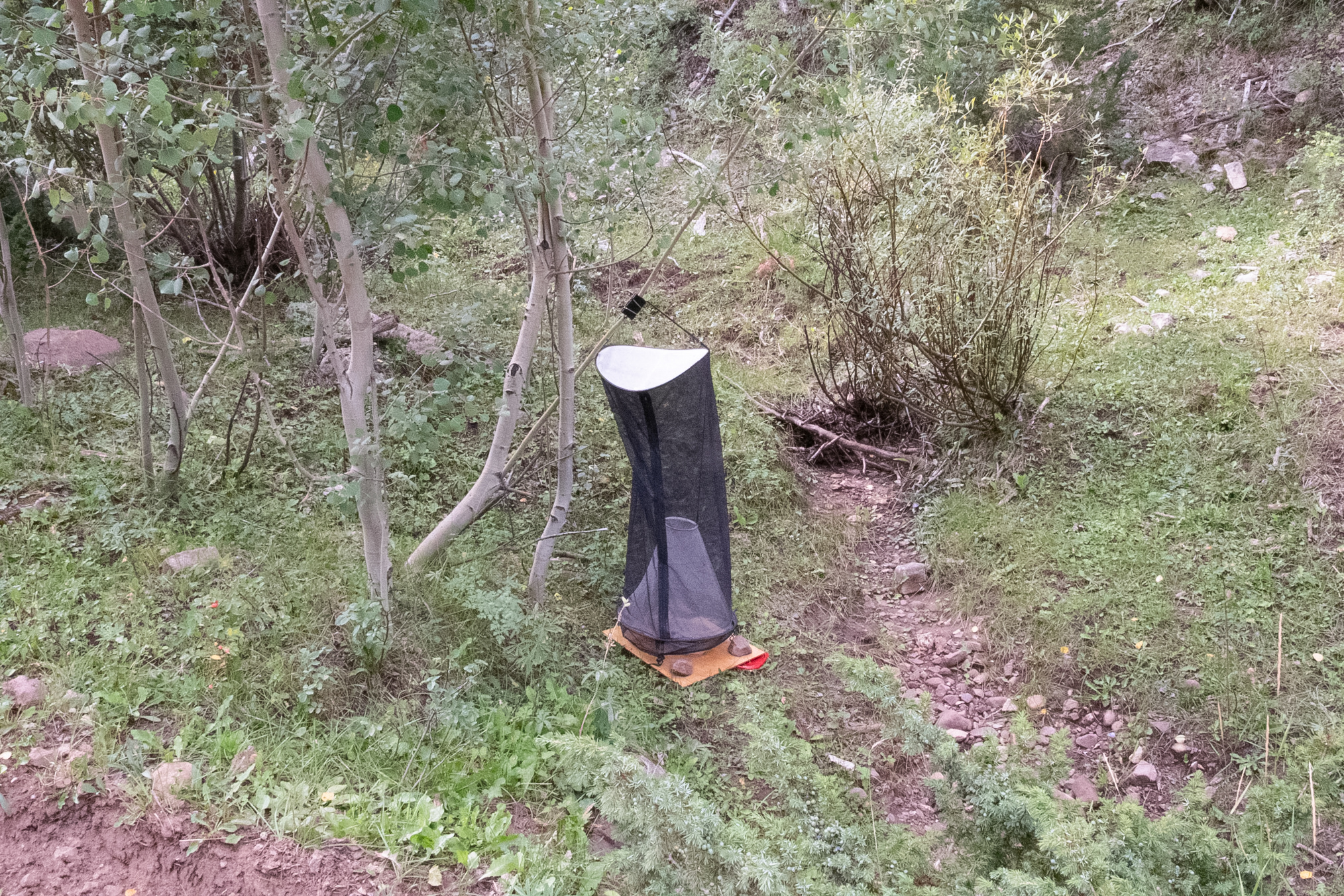
I did set up one trap along Kaler Creek, about 300 yards uphill from the truck.
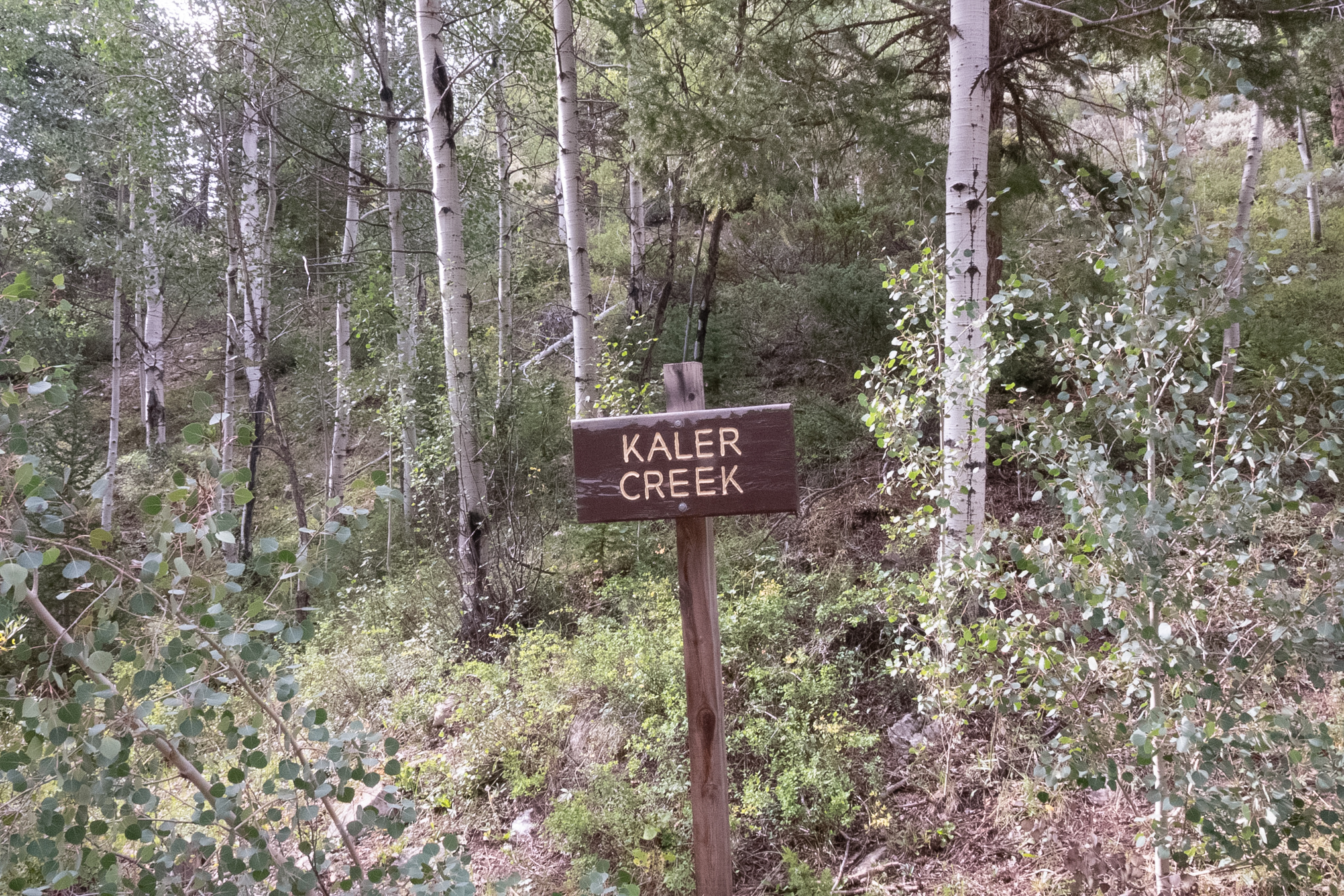
Kaler Creek.
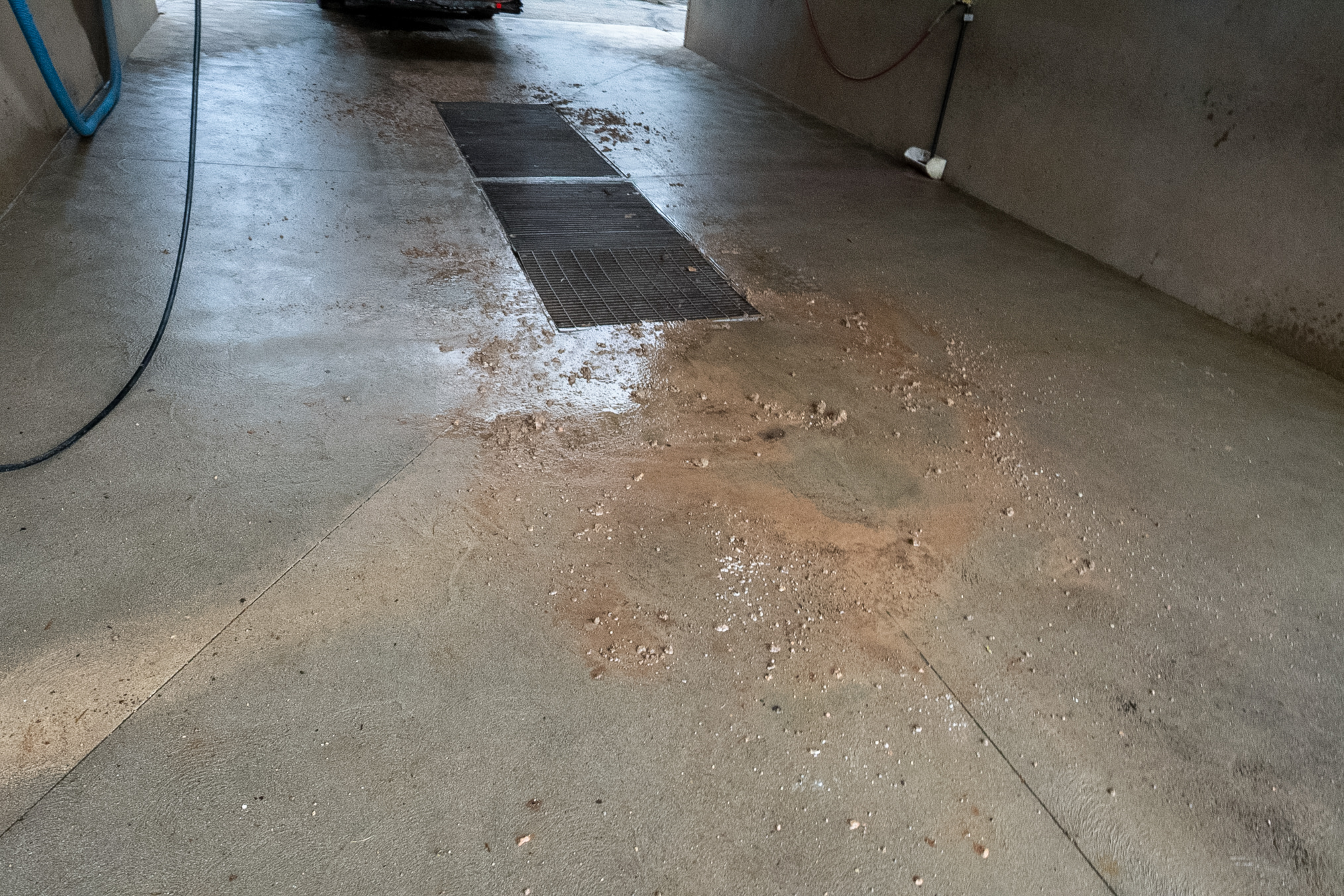
After spending two days at Brush Creek and monitoring the weather constantly and suffering through several downpours, I decided to pack up and leave at 1:00 in the afternoon on Saturday. Just then another downpour hit drenching the gear that I had spread around the truck and further muddying the roads. The ride out to the pavement was really bad. It was a clay based road, and it was now in a condition that the locals call greased lightning. My truck was literally sliding from side to side. But after about an hour and a half I did make it to the pavement and headed to the nearby town, Vernal UT. This photo shows the mud that I washed off of my truck.
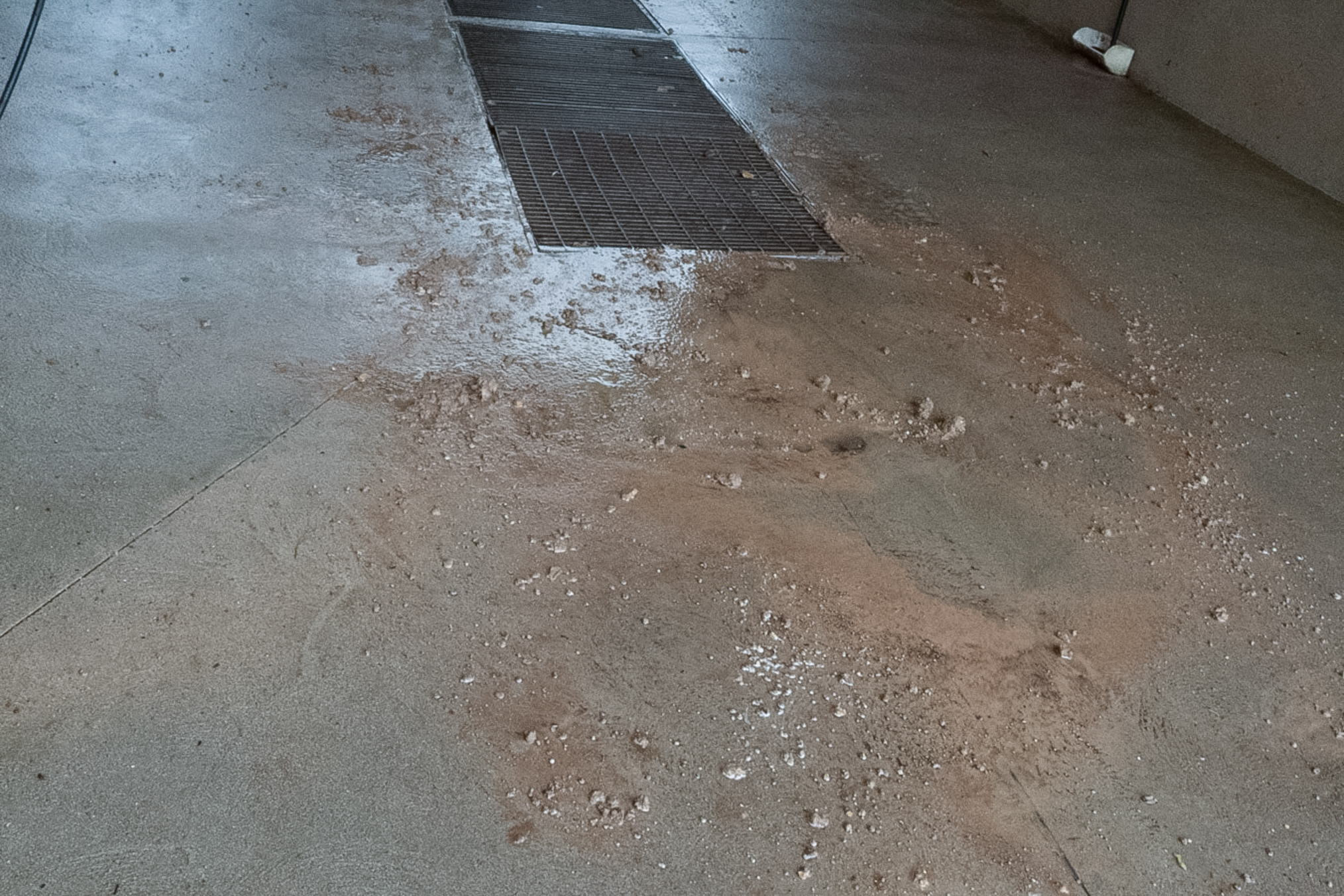
Another view.
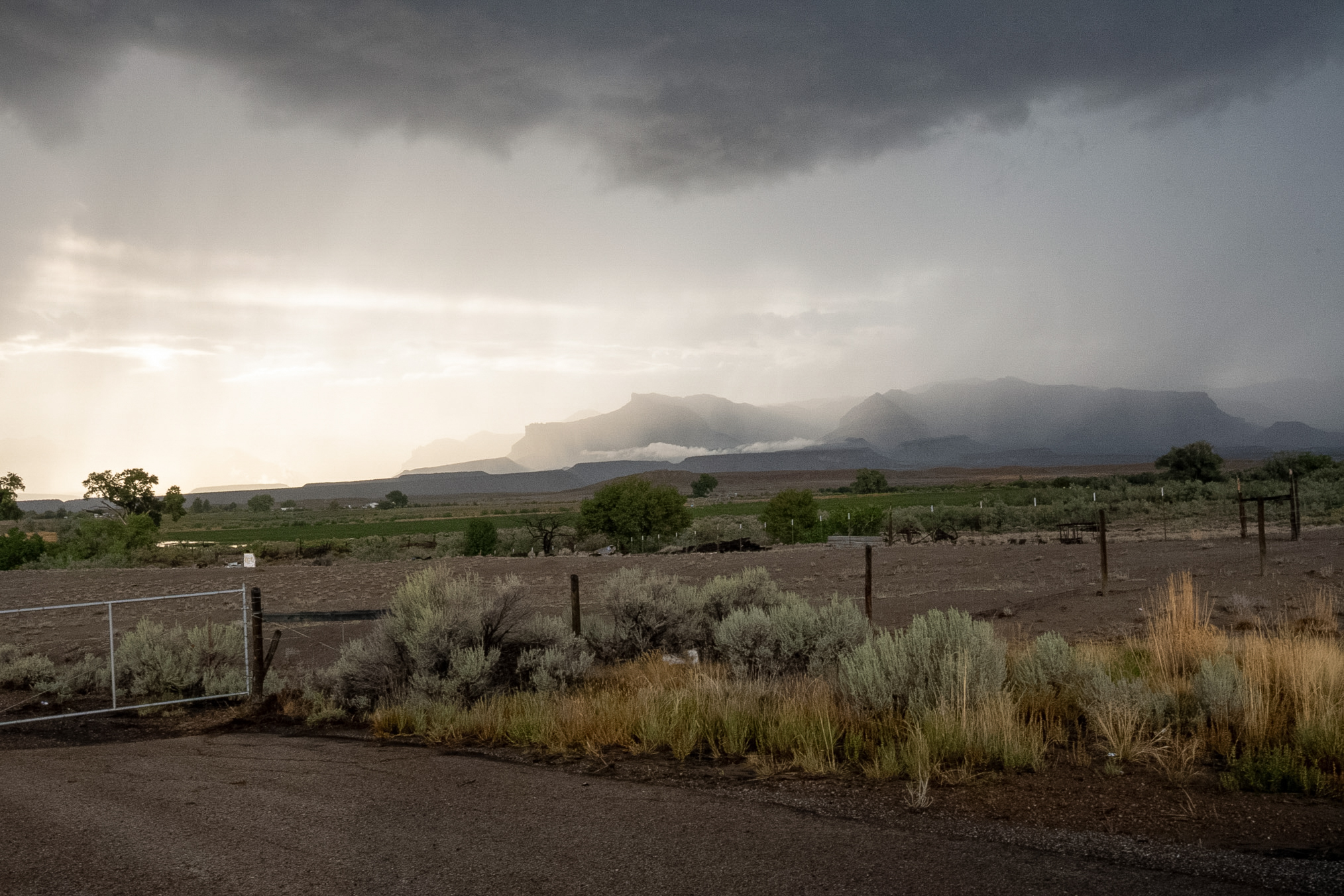
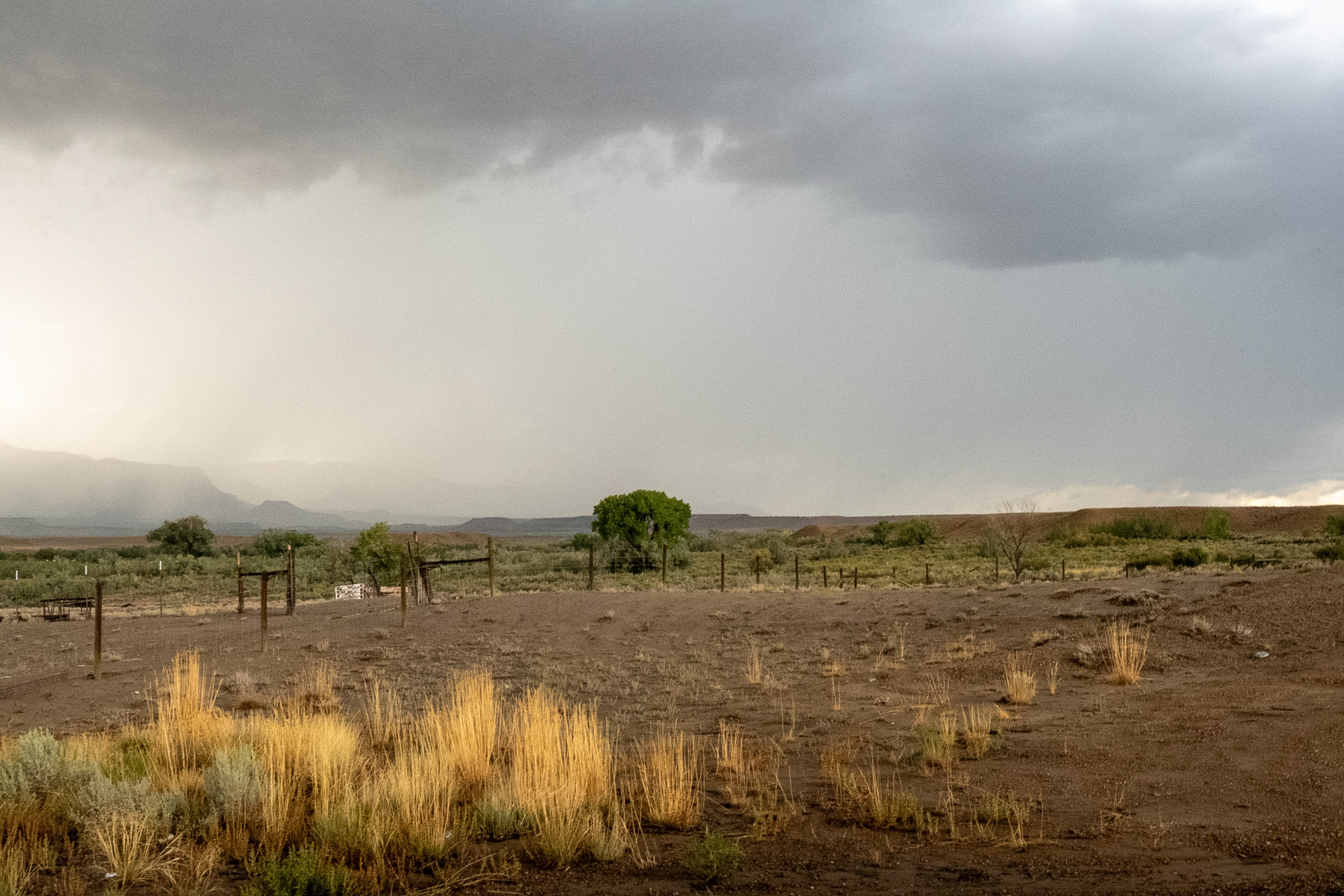
I left Vernal and actually hoped for more rain as I needed to wash the undercarriage of the truck. And boy did I get rain! I turned onto Utah 10 from US 191, and about 10 miles down the road I noticed that the road was slick with mud, and just at that point a snow plow came, plowing the mud off the road. I had never seen anything like that. So I stopped about 30 miles to the west and took this series of photos.
Another view of the storms sweeping the area.
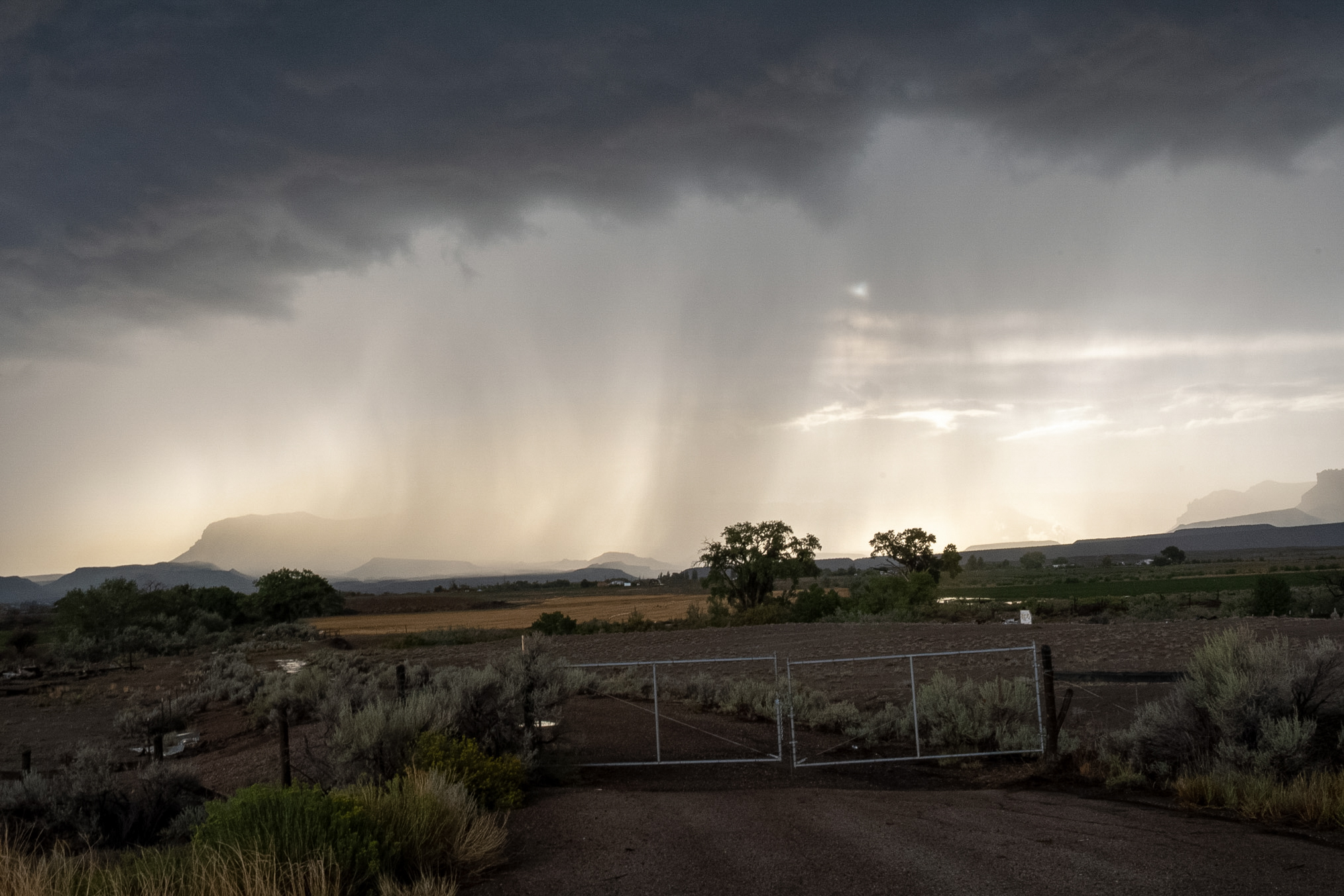
And yet another.
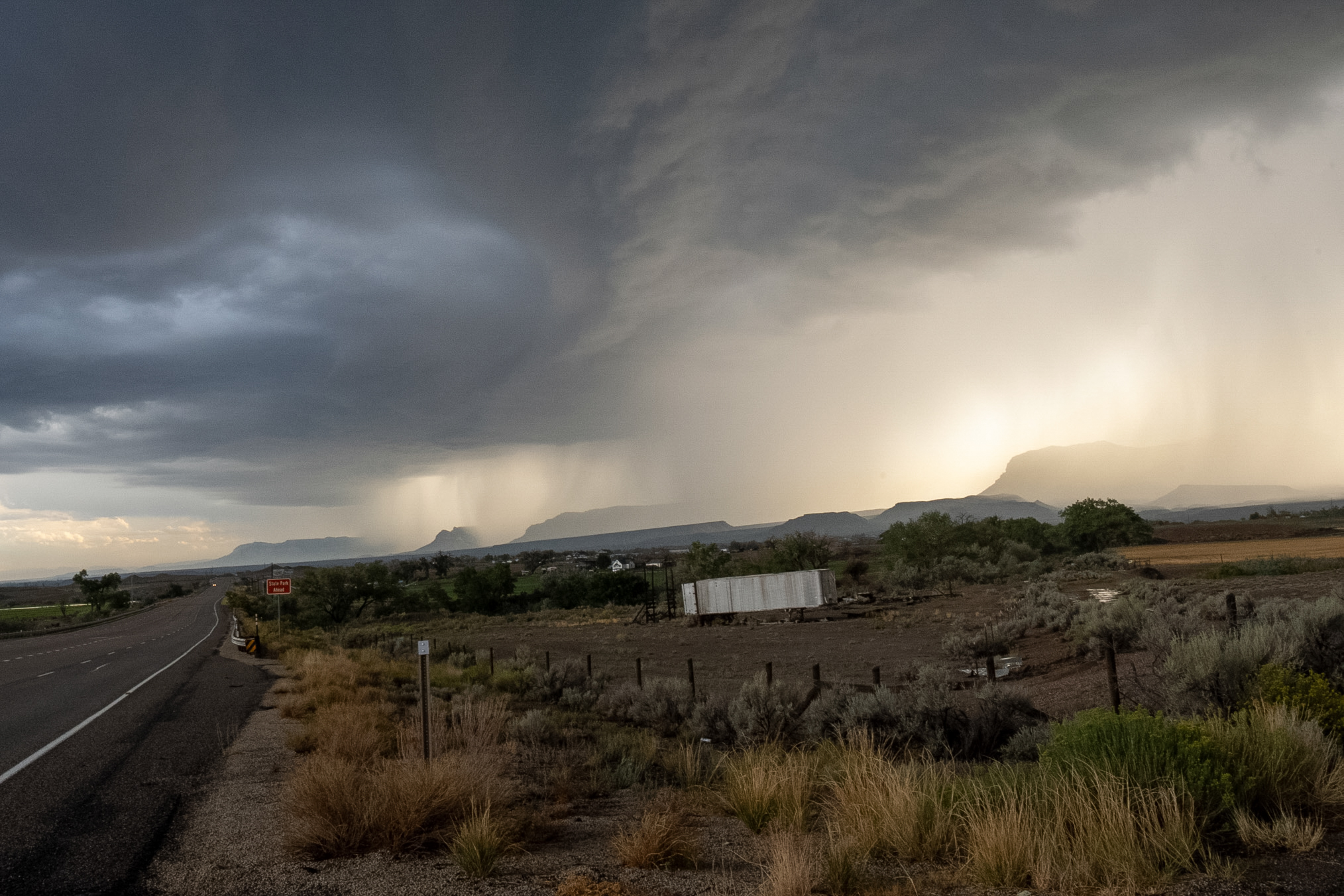
One final photo. I drove for a few more hours and parked along I-70 for the night. The next day I hit I-15, and when I made it made it to Beaver UT, the skies were clear to the south, but looking back to the north it was still cloudy and gray. A somewhat inauspicious ending to my trip.
End of Part F, click here for Part A.