
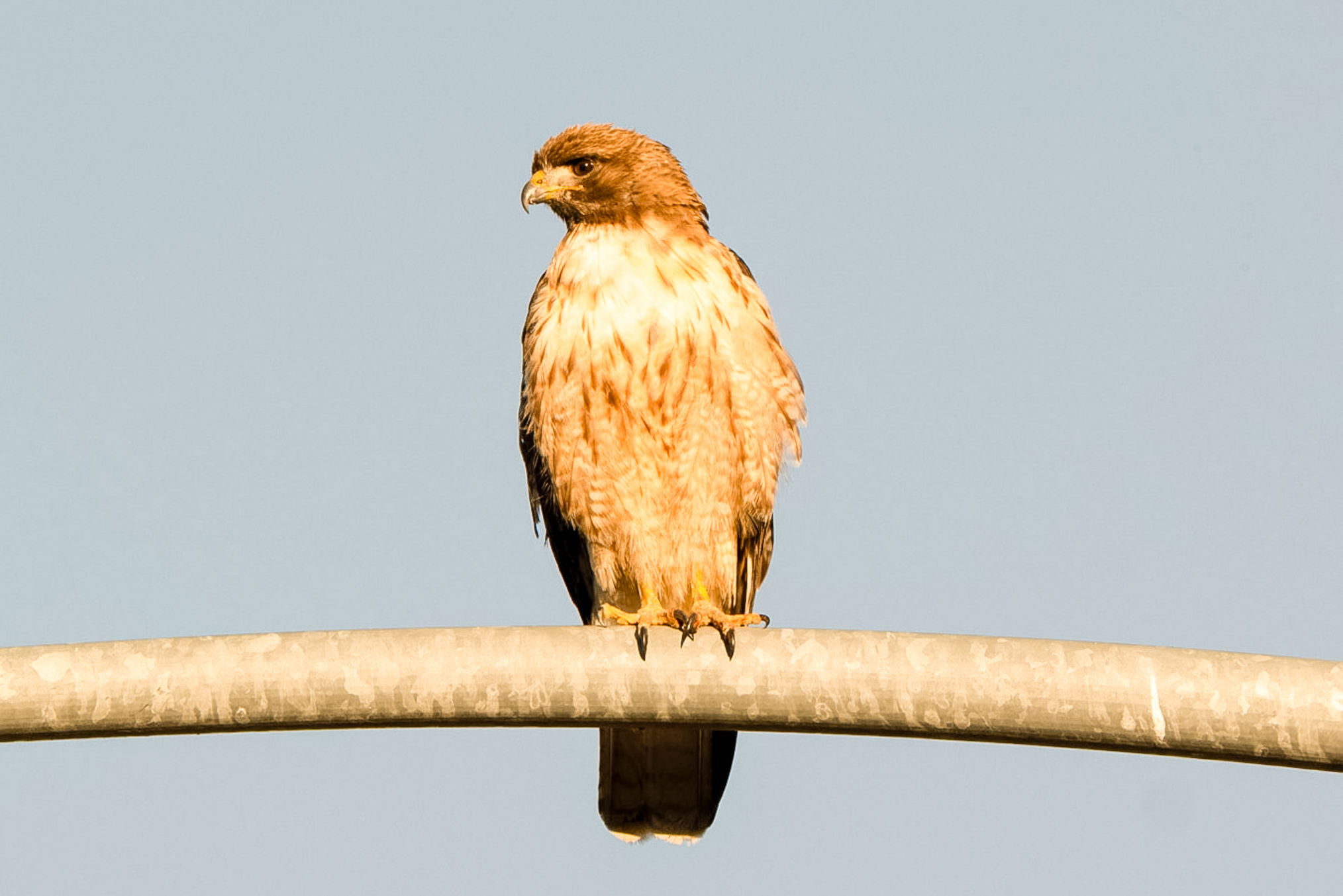
I spent the first day along Sherman Pass Rd. making it all the way to Alders Creek and then returning to Hwy. 395 where I would then make my way to Sonora Pass the next day. The butterflies were poor on Sherman pass Rd, and not that great at Sonora Pass but I did get a new species, Parnassius behri. That evening I drove to CA 70, maybe about 20 or 30 miles West of US 395 and spent the night at a rest stop. The next morning I photographed this Red-tailed Hawk (Buteo jamaicensis).
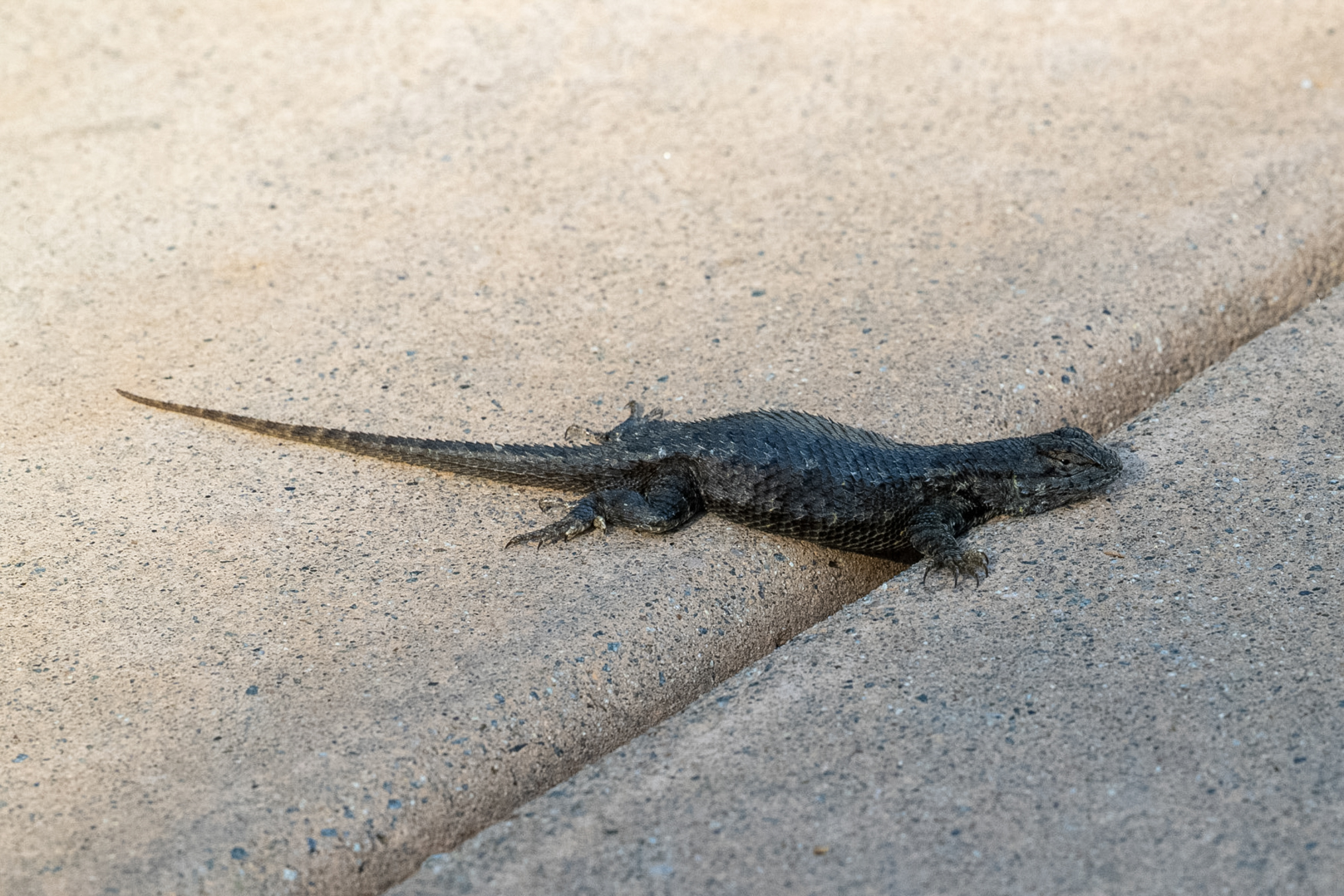
Also saw several western fence lizards at the same rest stop. That morning July 1st I drove through Quincy and made it about 10 miles west or so where I got onto a forest road which led me to several campgrounds, including Rock Creek CG. I would spend the next two days collecting here and I did have modest success with my target species Polygonia faunus, taking 4.
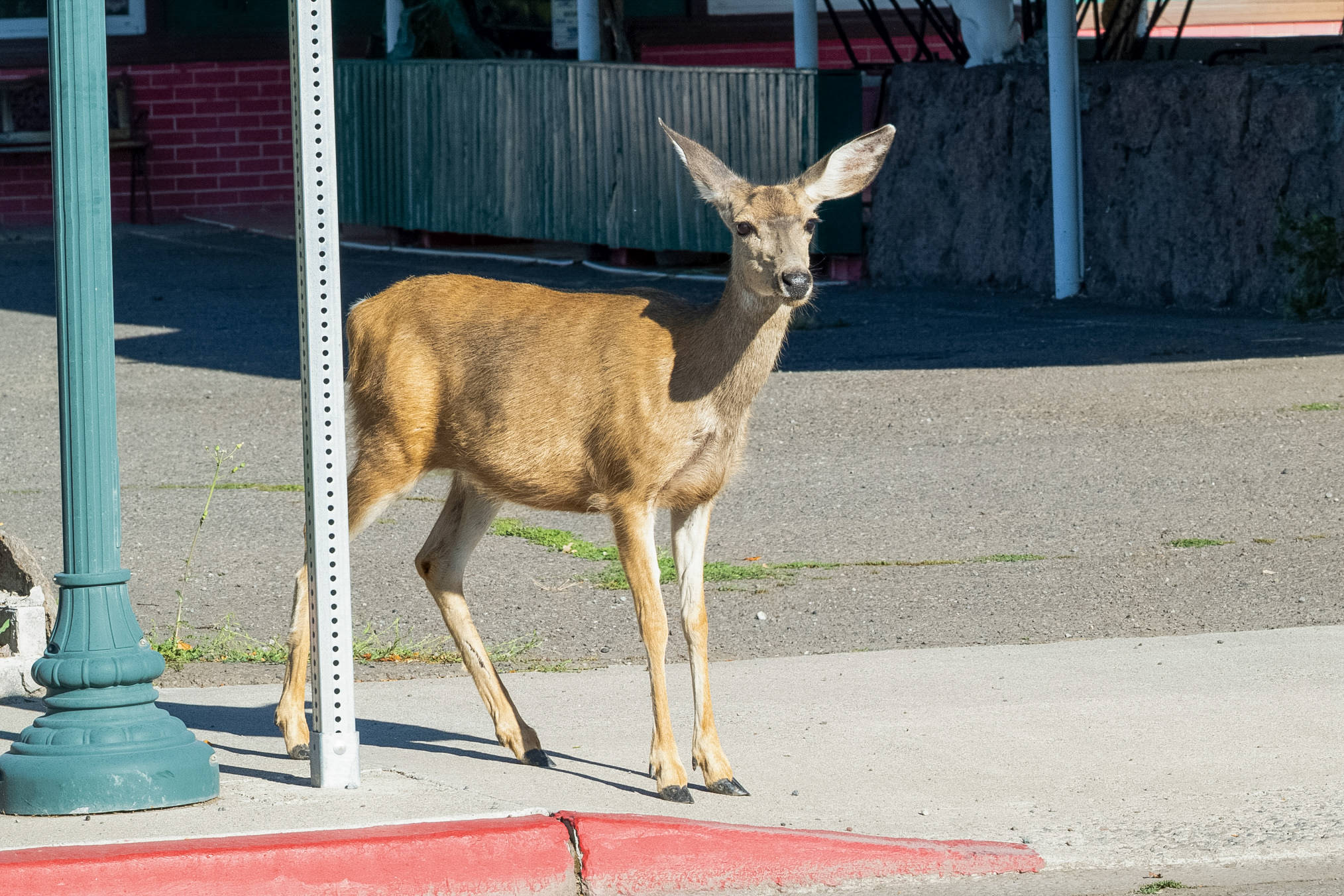
I drove July 2nd and the morning of July 3rd and made it to Alturas CA where I stopped to have breakfast and spied this deer in town.
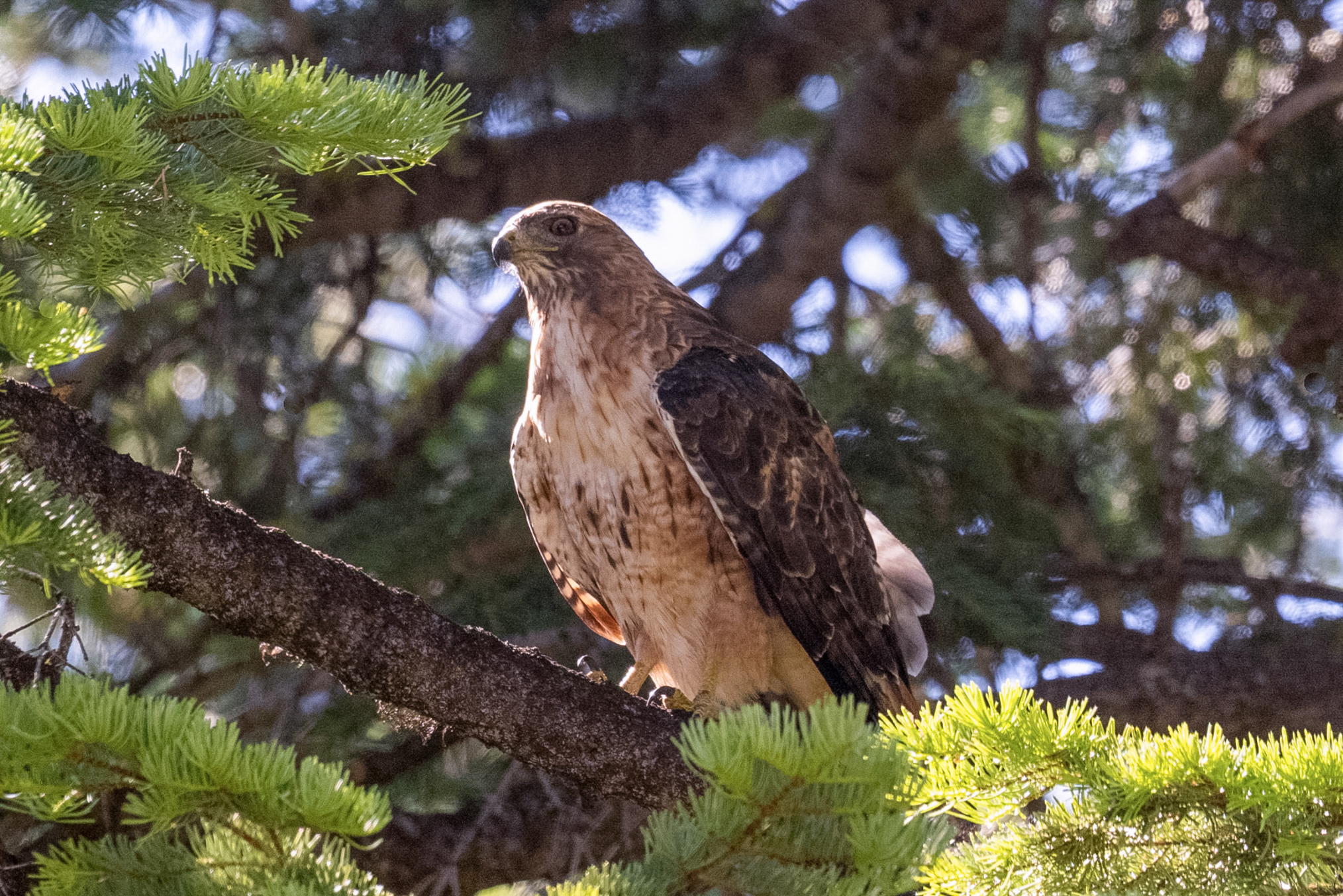
I drove Parker Creek Rd. to Ridge Rd. and spent the next several days collecting along this road. Right at the intersection I did see another hawk, an adult Red-tailed Hawk (Buteo jamaicensis).
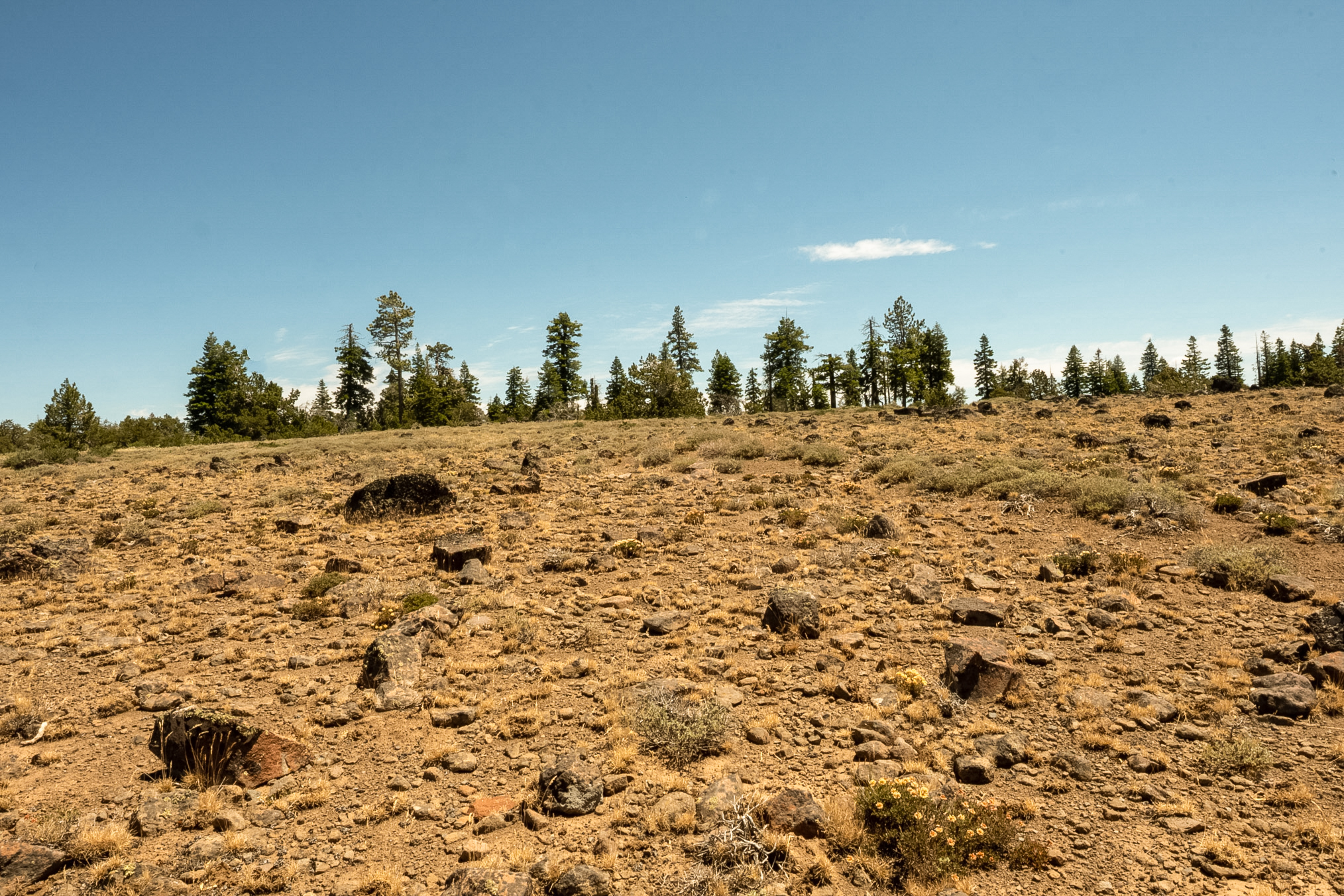
I drove west along this road and collected at several hillside spots, one is shown here.
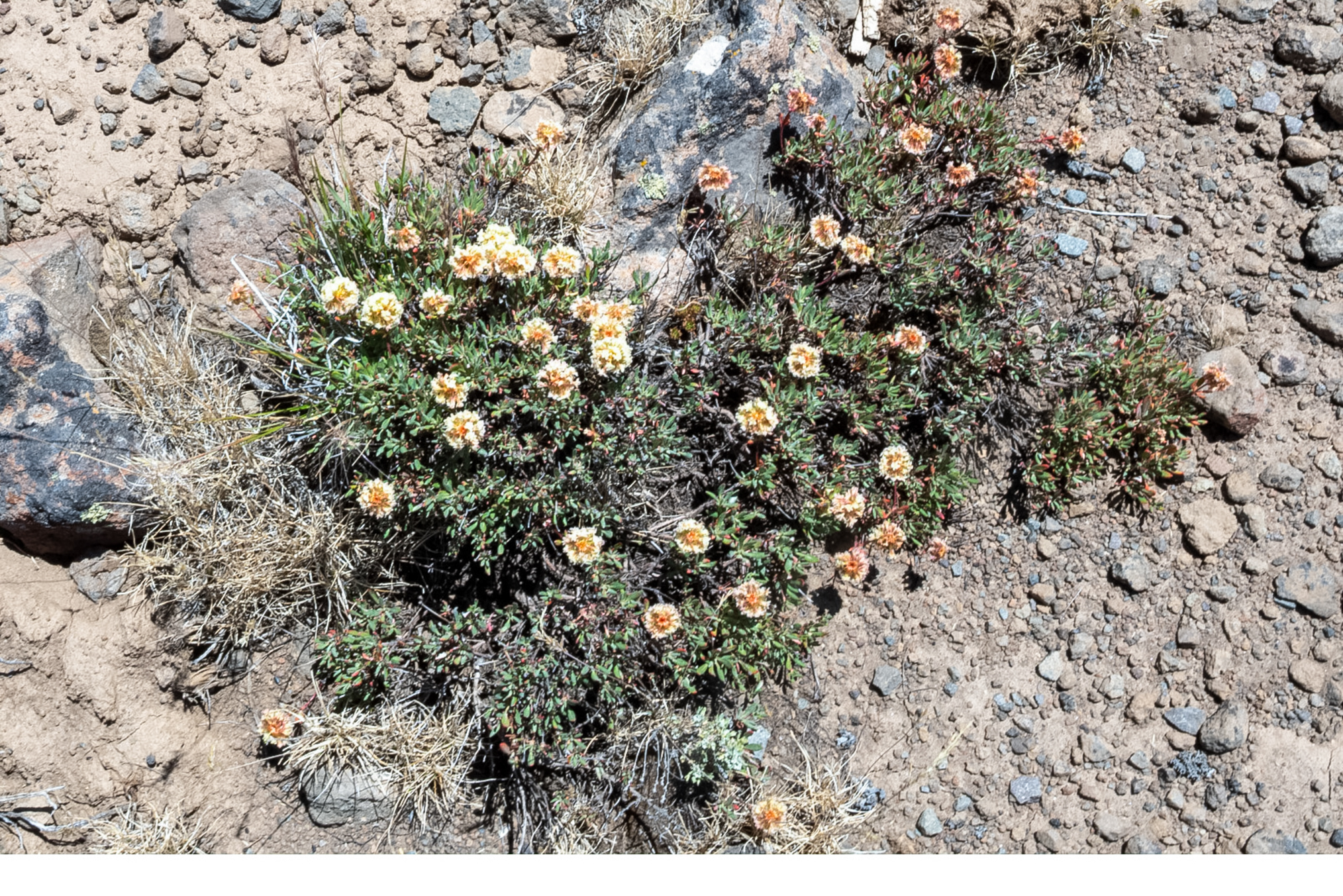
This plant, Sulphur-flower Buckwheat (Eriogonum umbellatum), was pretty common along the road. I had pretty decent success collecting for the day and then found a spot to park for the night.
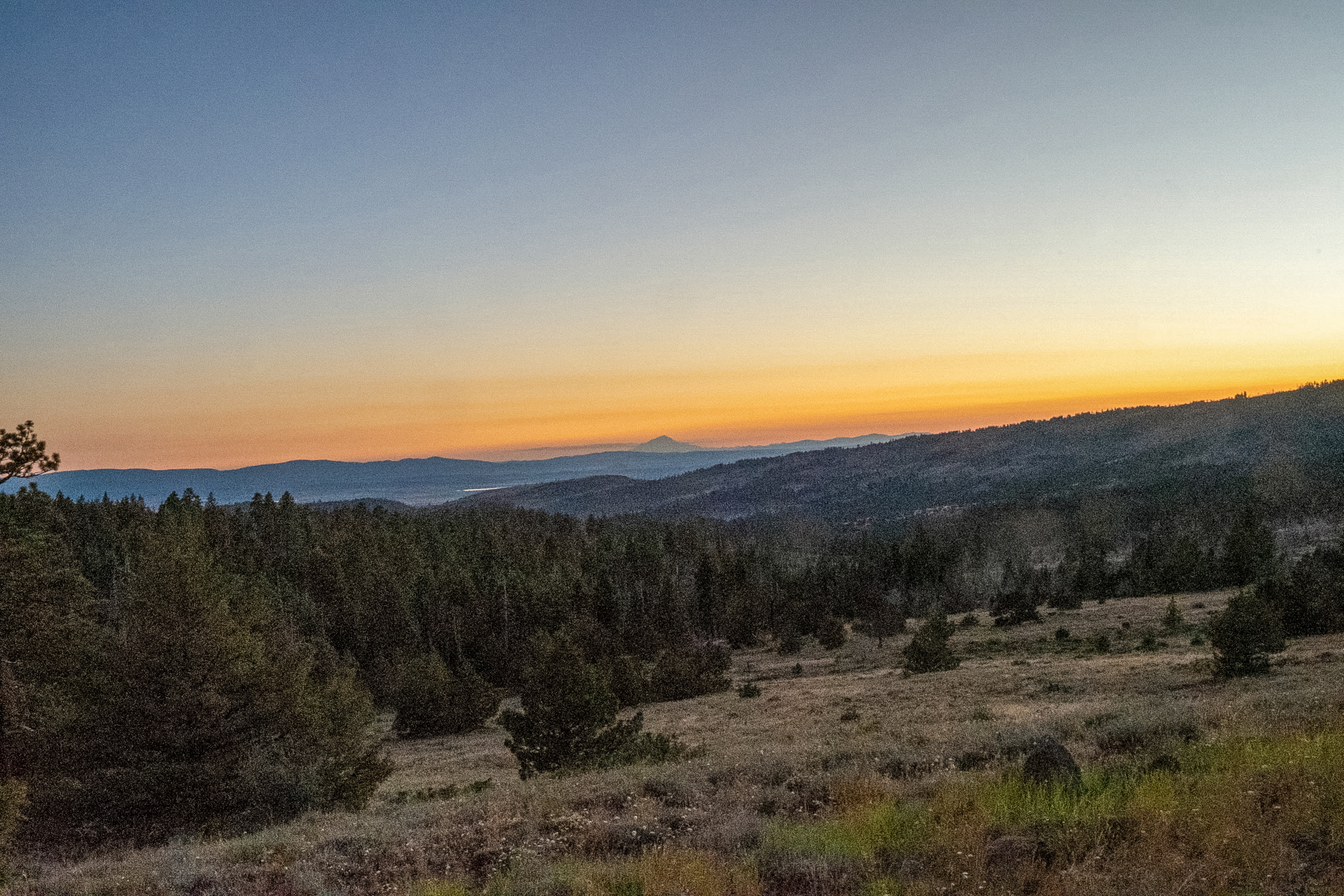
The sun setting just past Mount Shasta in the distance.
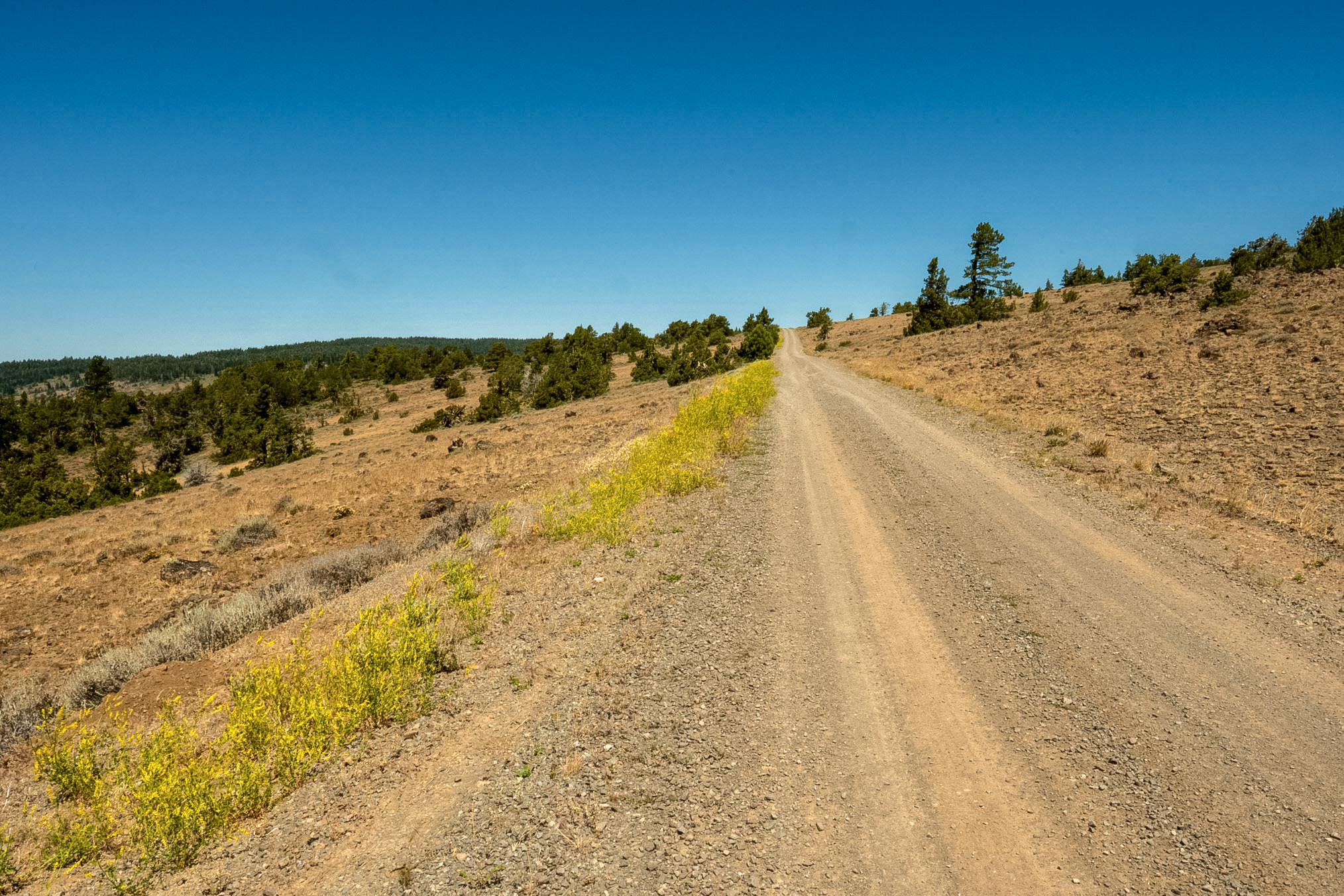
The next morning I worked a stretch of about 1/3 mile of Rabbit Bush where I collected primarily a few small butterflies including C. nelsoni. At about noon I headed further north and eventually stopped at the pass where I collected a good number of Blues for about an hour or so.
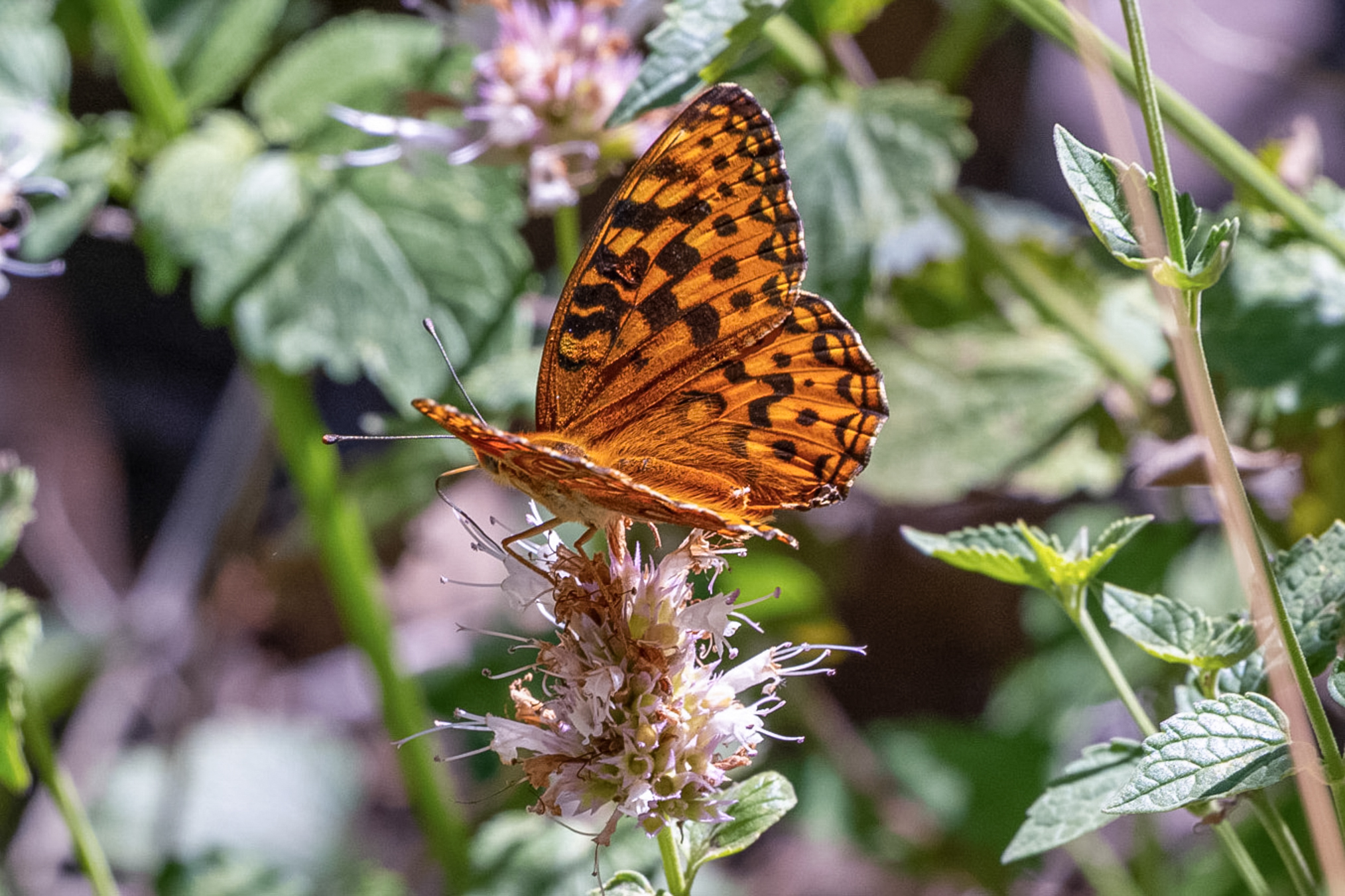
I then drove further eventually reaching a seep where a small stand of nettles was growing. Here I collected a really good number of Argynnis as well as assorted other nymphalids. This is A. zerene.
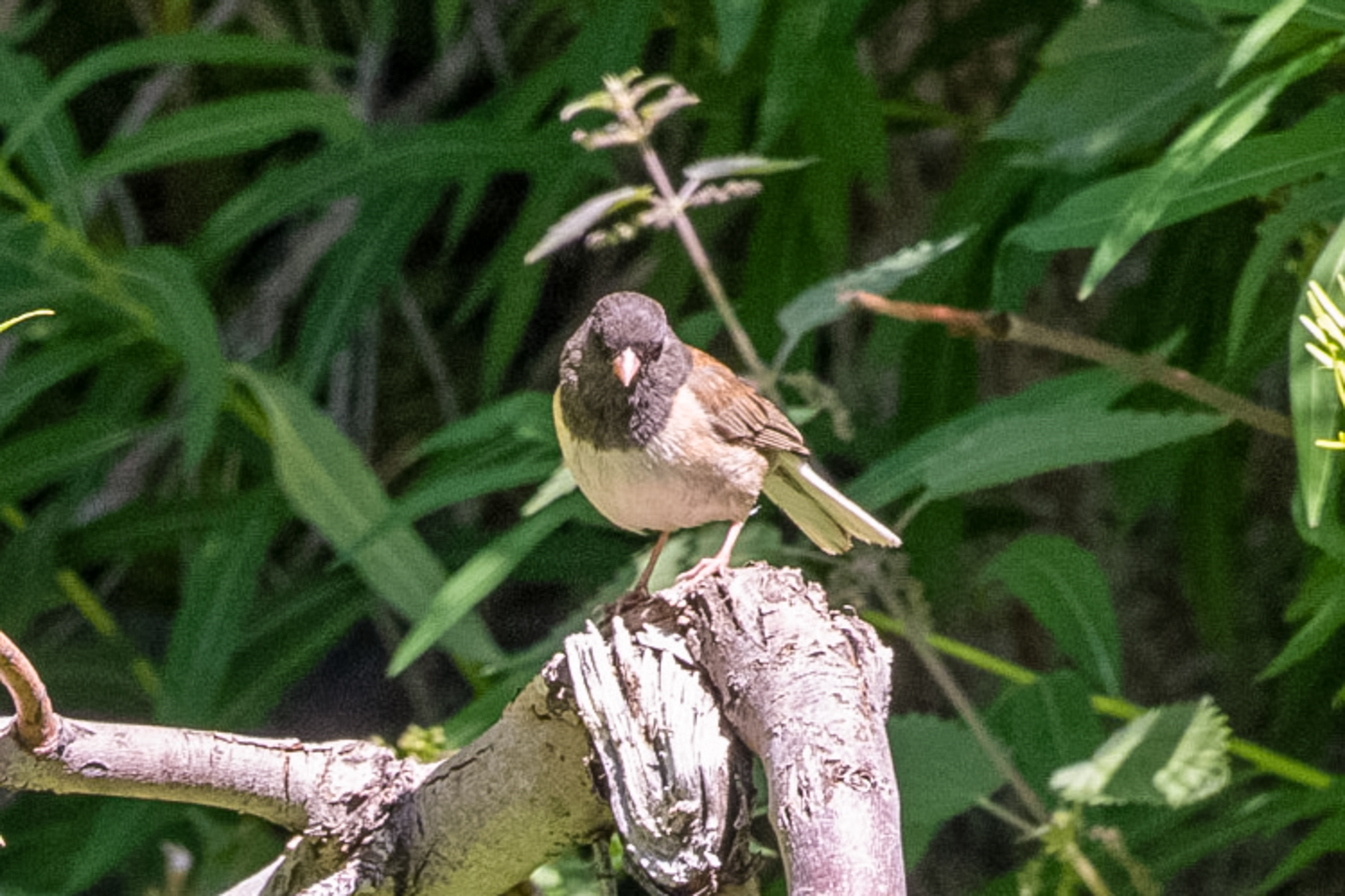
I did manage a photo of this small little bird, a Dark-eyed Junco (Junco hyemalis), specifically a member of the Oregon subspecies group, thurberi.
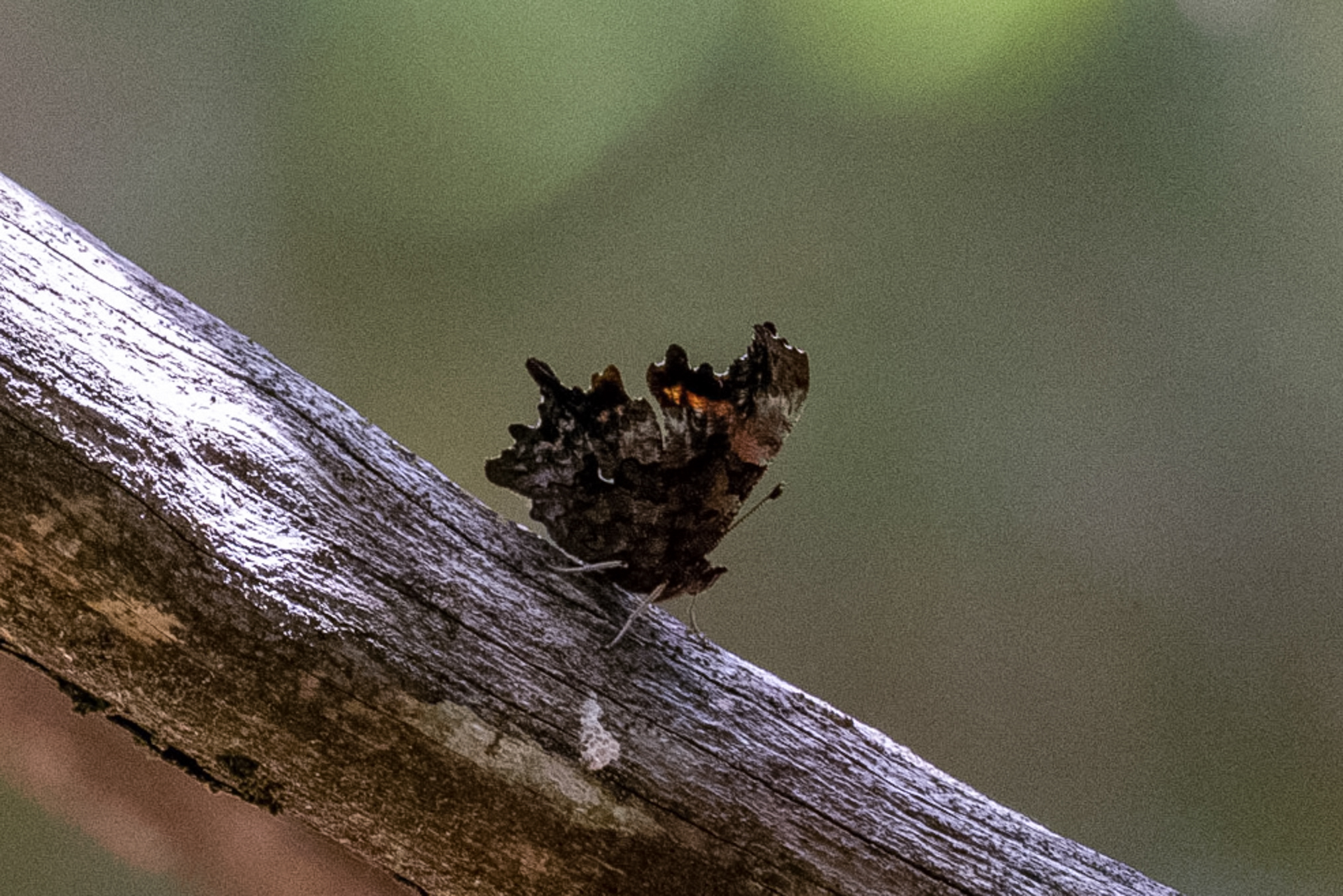
After two days in the Warner Mountains, I returned to Rock Creek CG near Quincy and was able to net one more Polygonia faunus Here's a photo of one that I could not capture. I spooked it and it flew about 15 feet up into the pine tree and I wasn't able to net it.
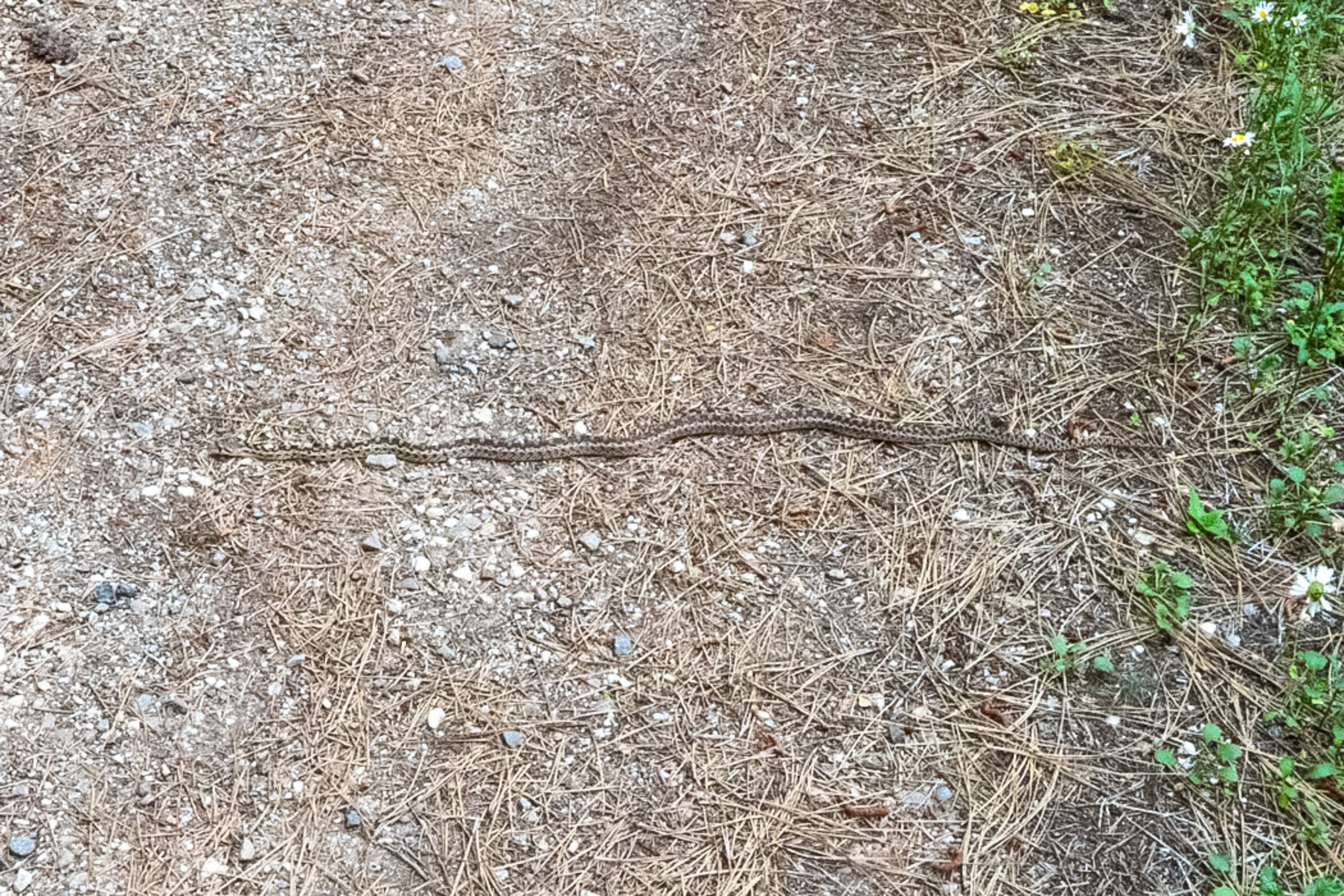
Near the creek I did see this small Gopher snake (Pituophis catenifer).
July 7th I made it to Elko County, Utah where I visited Lamoille Canyon. It was a cloudy day and I didn't have much success. I first drove to about 9000 feet and then turned around and headed back down the Canyon and stopped at a turn out. Here I did have good success with L. rubidus. The turn out was banked by a number of large white boulders and they seemed to favor this as a perching spot blending in with these quite nicely.
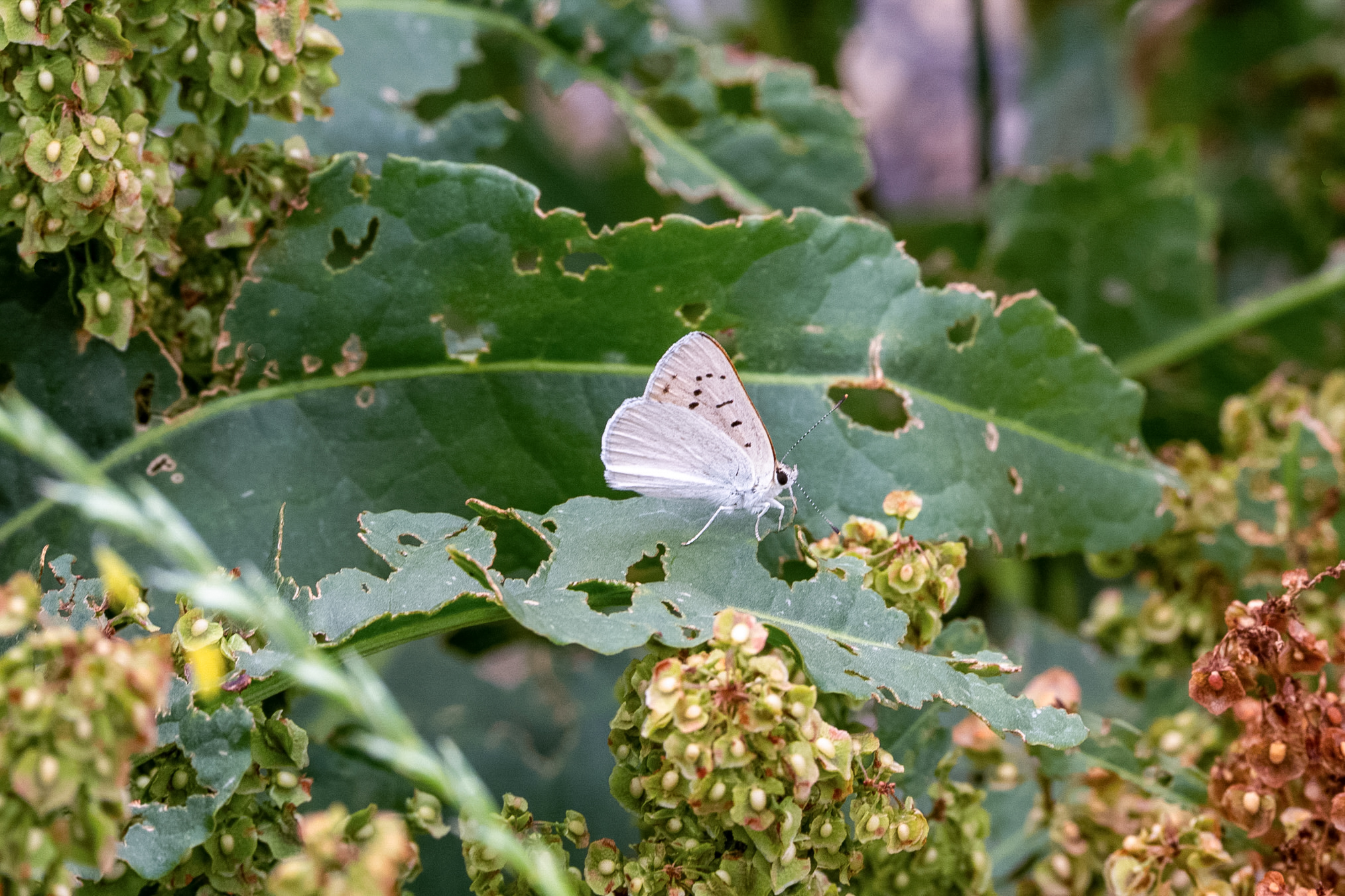
L. rubidus.
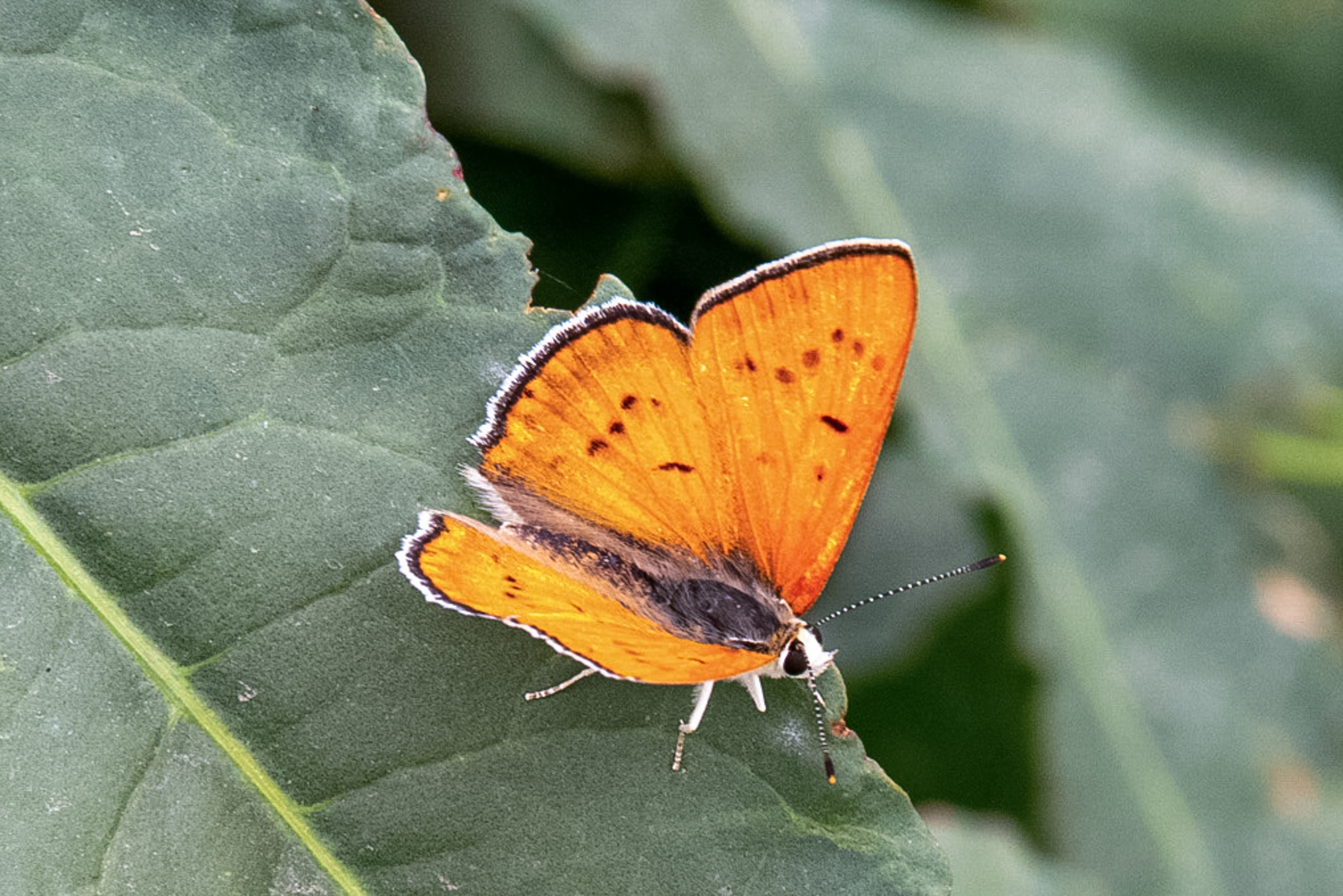
L. rubidus.
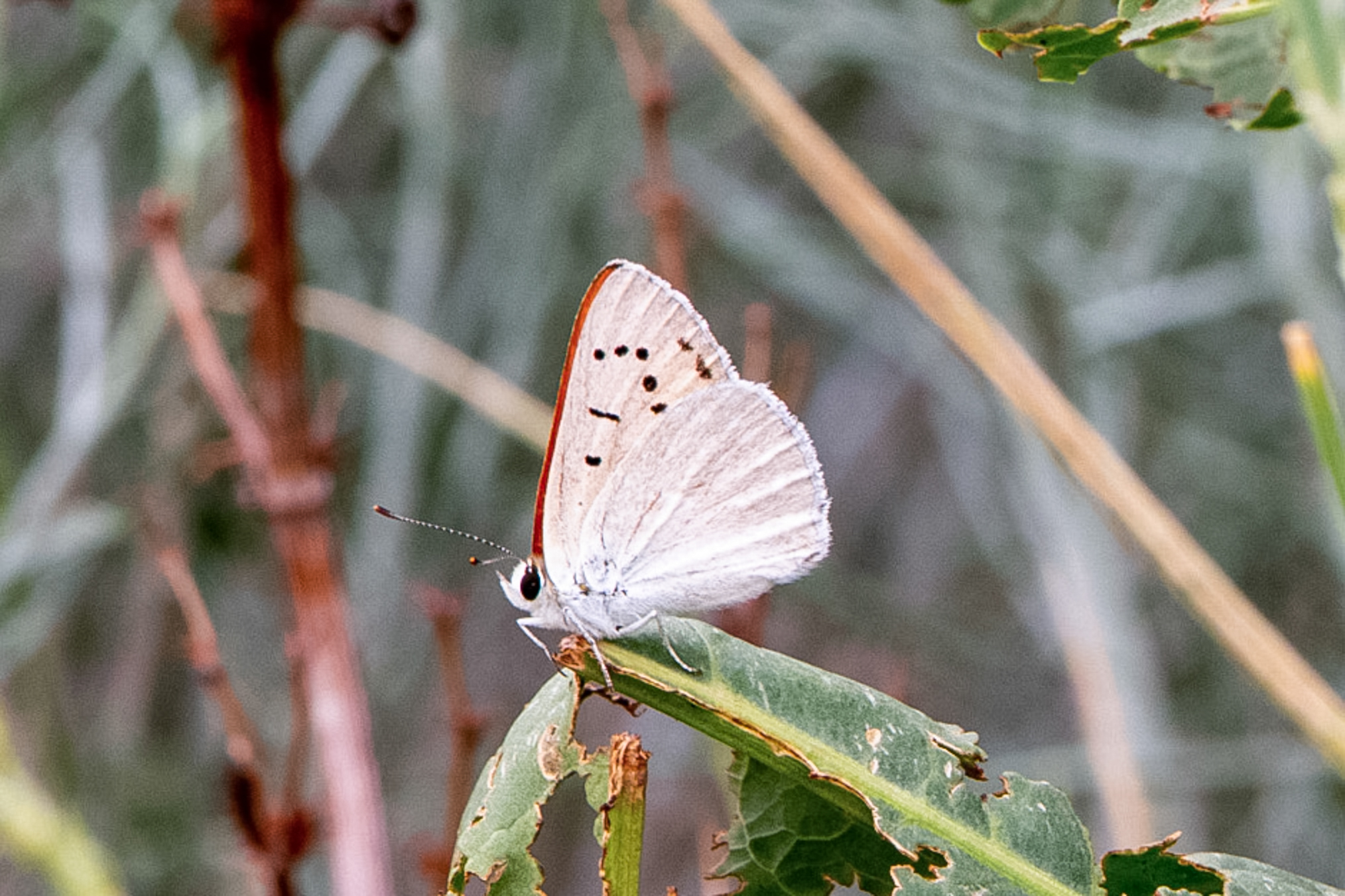
Seems they use these large white rocks as a mean of crypsis.
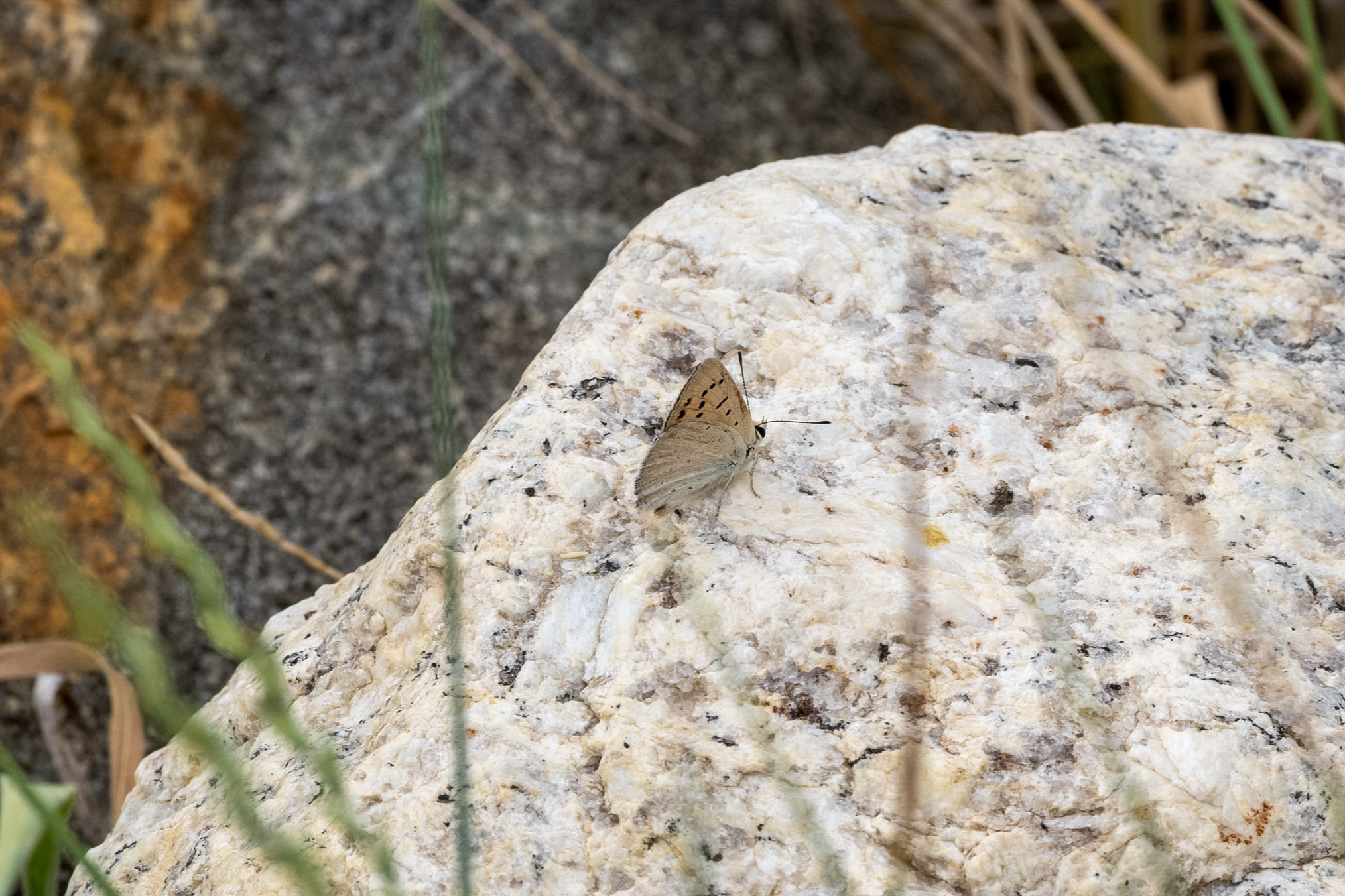
Another view.
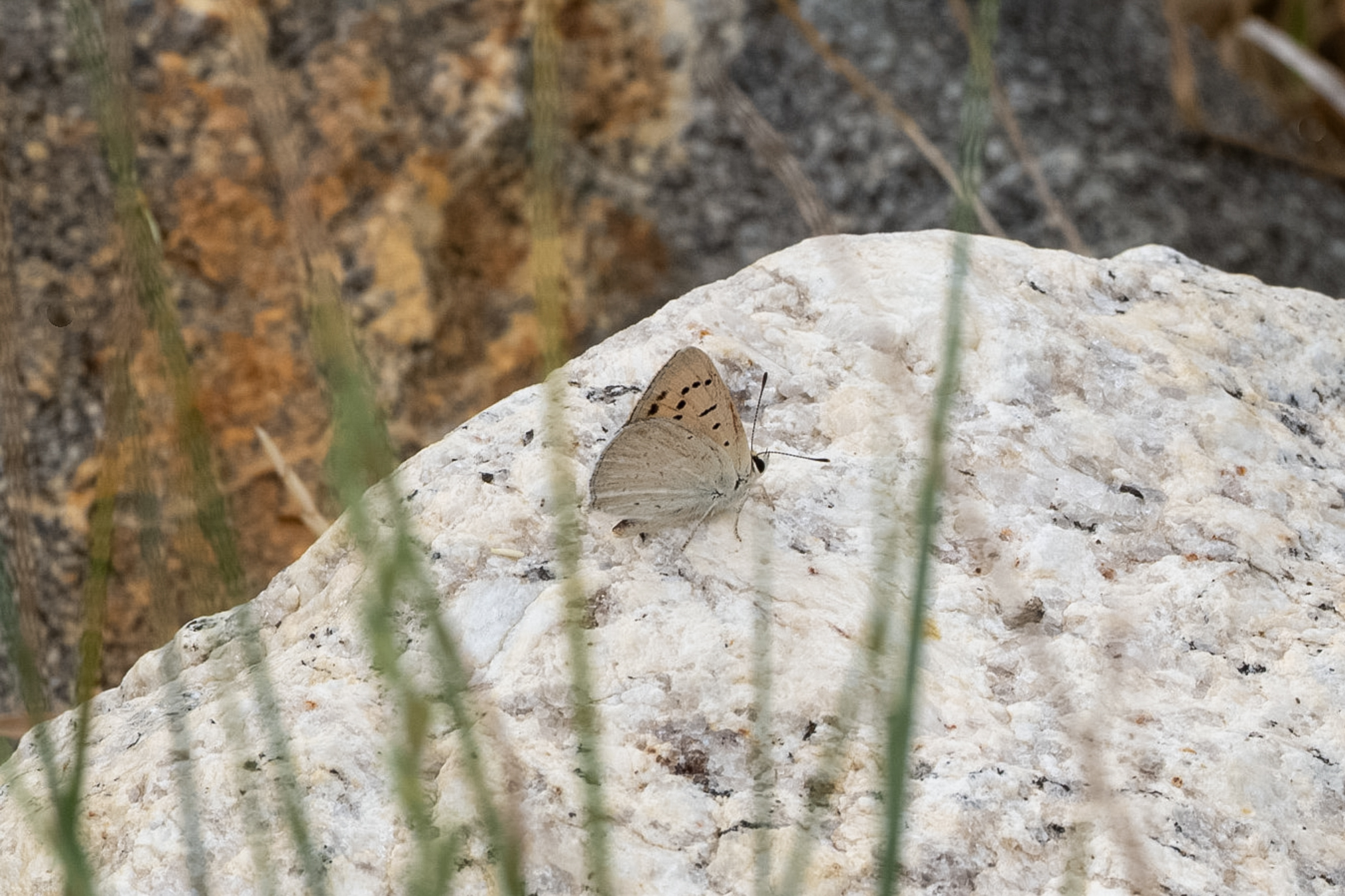
L. rubidus.
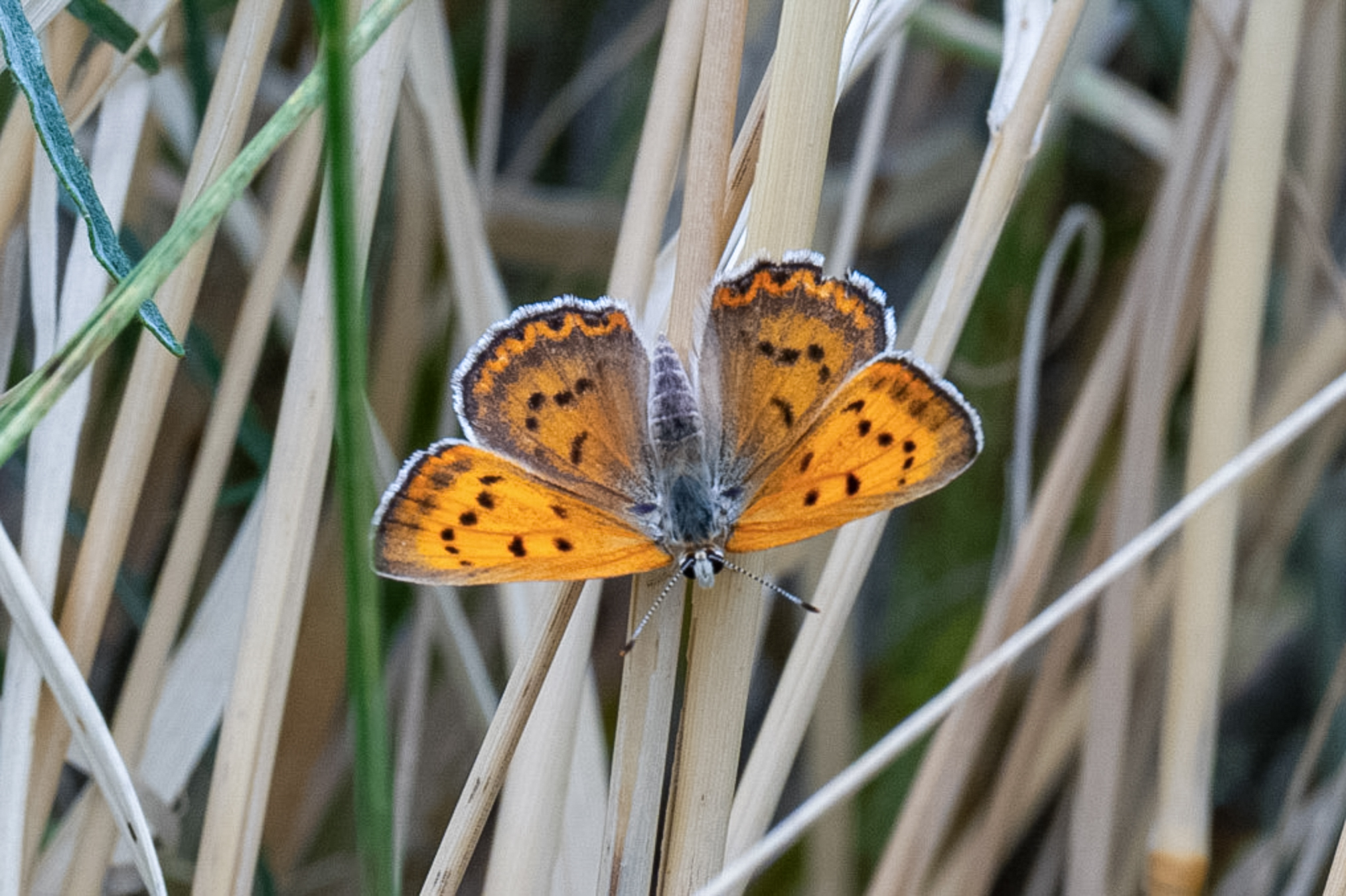
I took a few photos of this set of boulders and the growth that was nearby and then made my way down the slope following a ridgeline that was lined by these white boulders and had good success finding more L. rubidus.
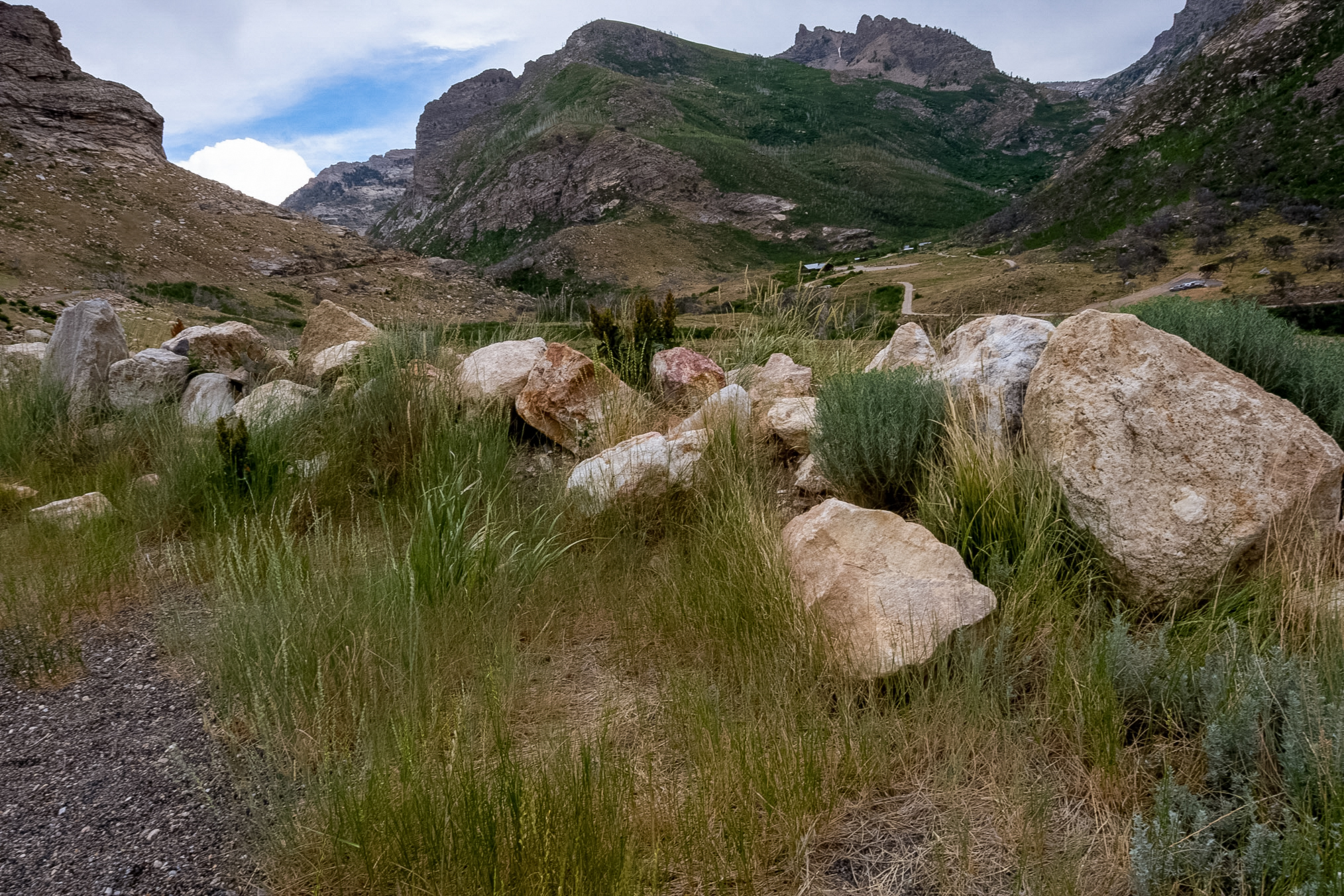
The ridge line, lined with these white boulders, was favored by L. rubidus.
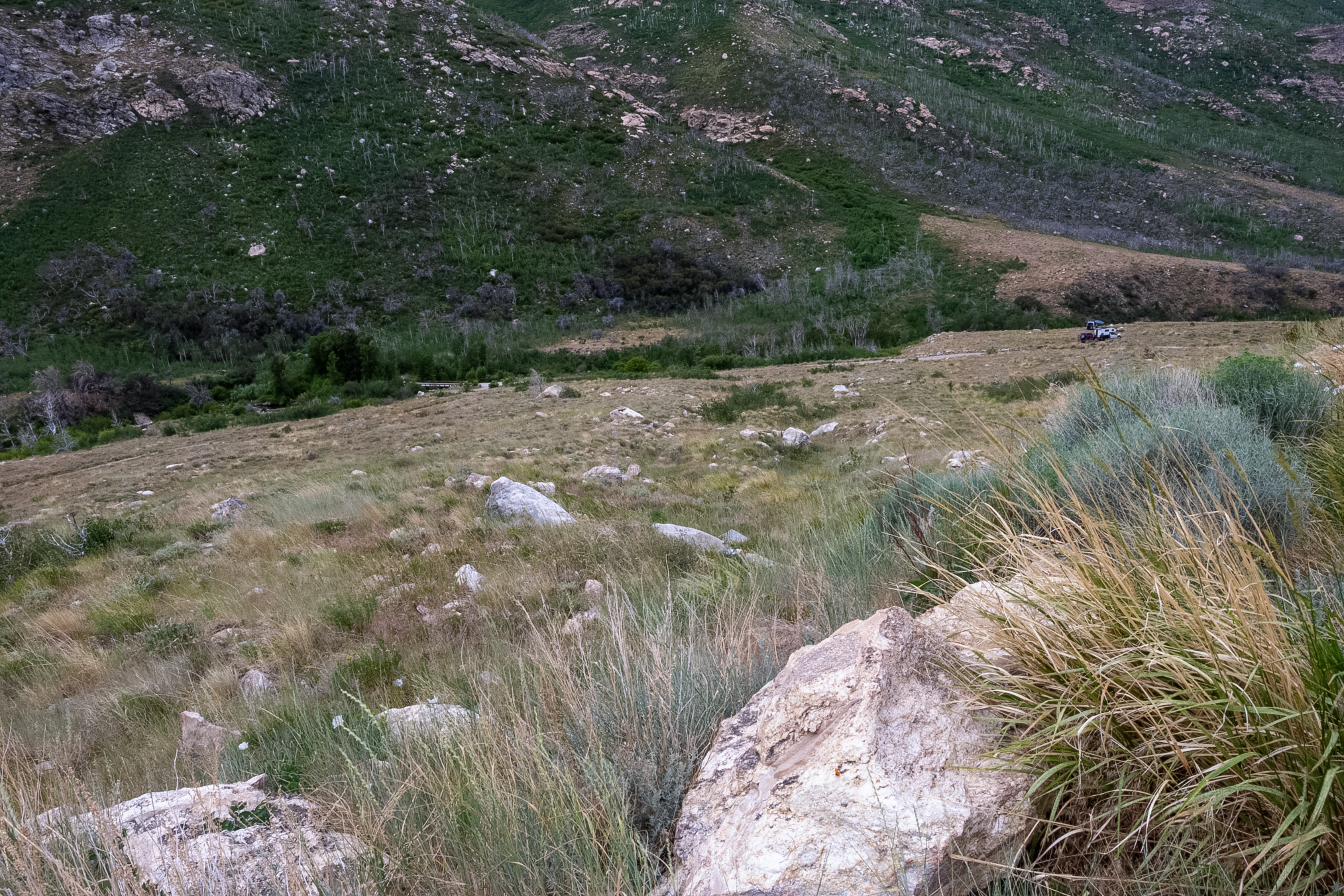
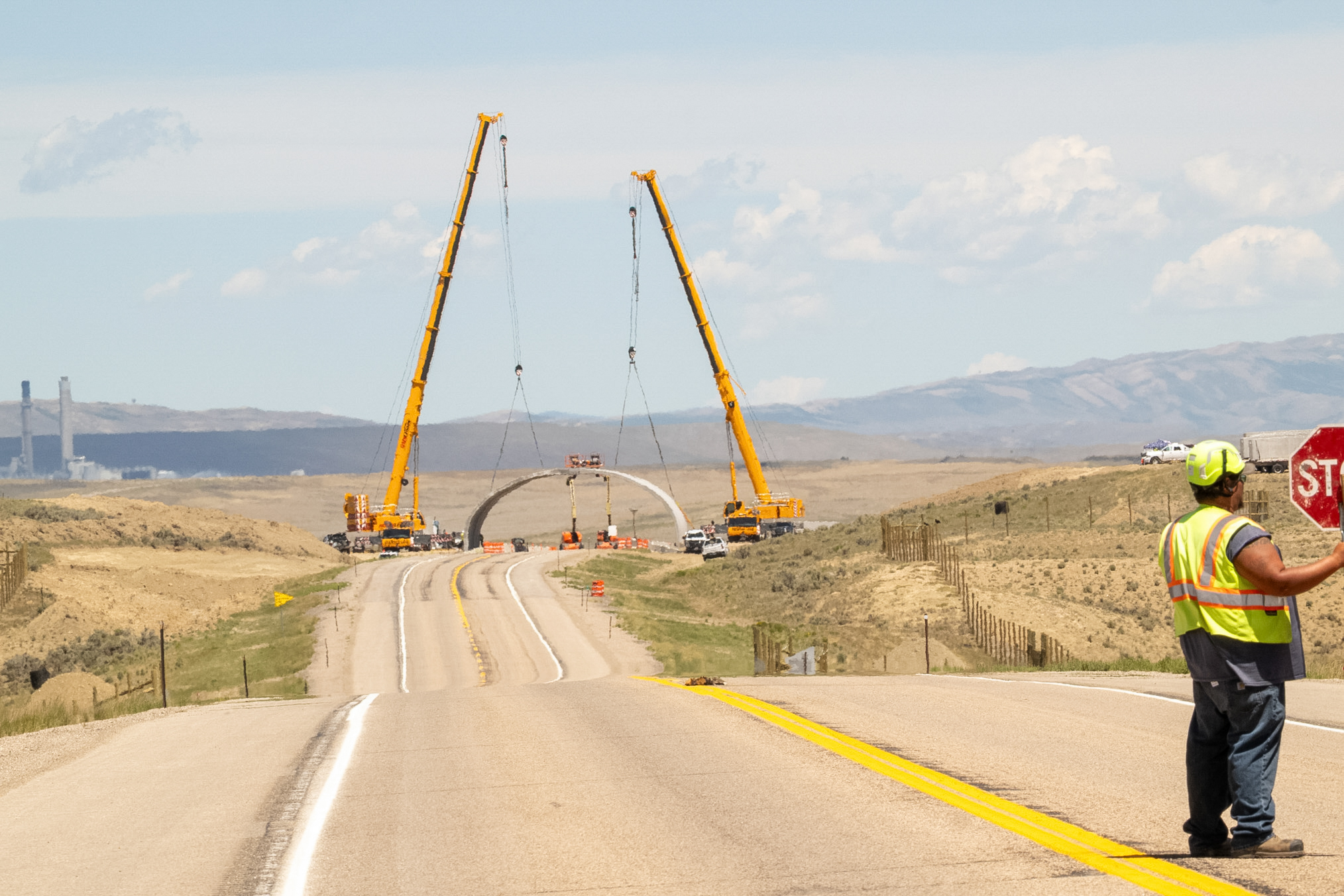
The next day I made it into Wyoming. I drove US 189 and spent a little time collecting and had modest success with a few butterflies including more L .rubidus, A. coronis, and a few other butterflies. I then made my way further north and ran into this construction where they were just starting to build a wildlife overpass. Had to wait here for about 20 minutes or so and then made my way further northeast to Lander, WY, with limited success for butterflies the rest of the day. I then spent a day driving through the southern Wind River Mountains. I had pretty good success but I don't have any photos to show for that.
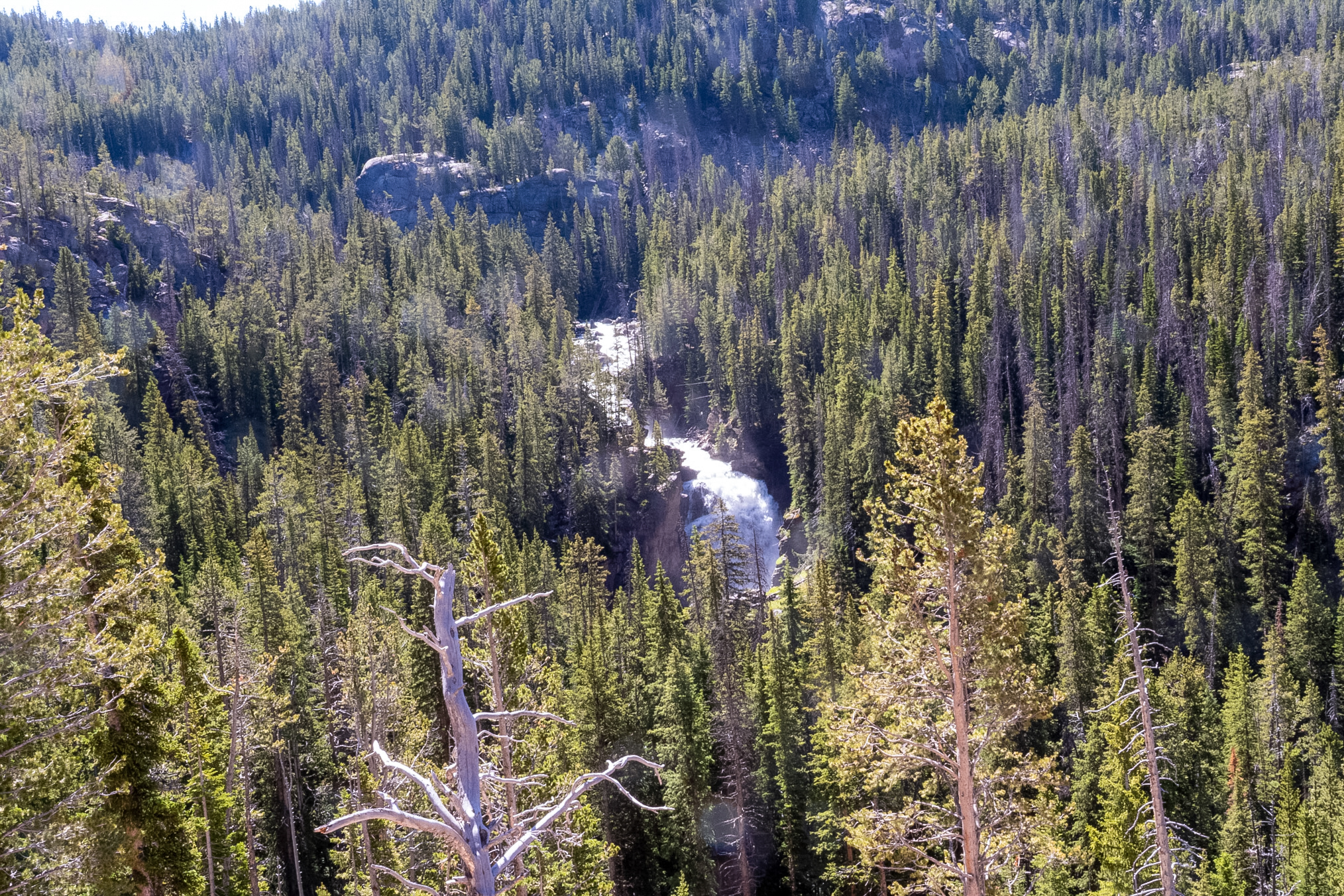
The next day, July 10th, I made my way to the Bear Tooth Highway, which straddles the Wyoming/Montana border reaching an elevation of about 10,500 feet or so. I stopped to photograph this waterfall on the west side of the pass.
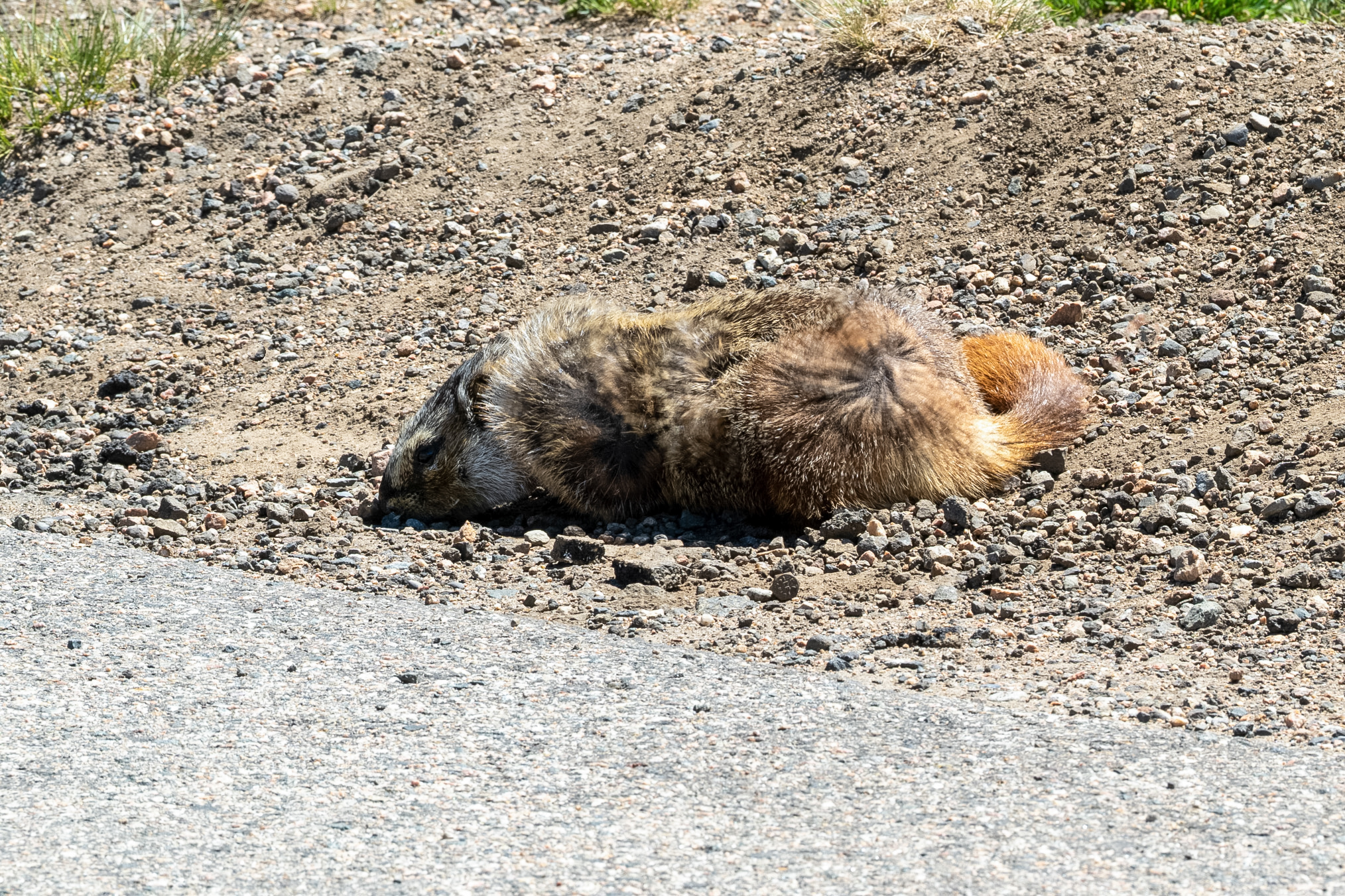
Right along the pass I managed a couple photos of this Yellow-bellied Marmot (Marmota flaviventris). I believe he's one of the most photographed marmots on the iNaturalist website.
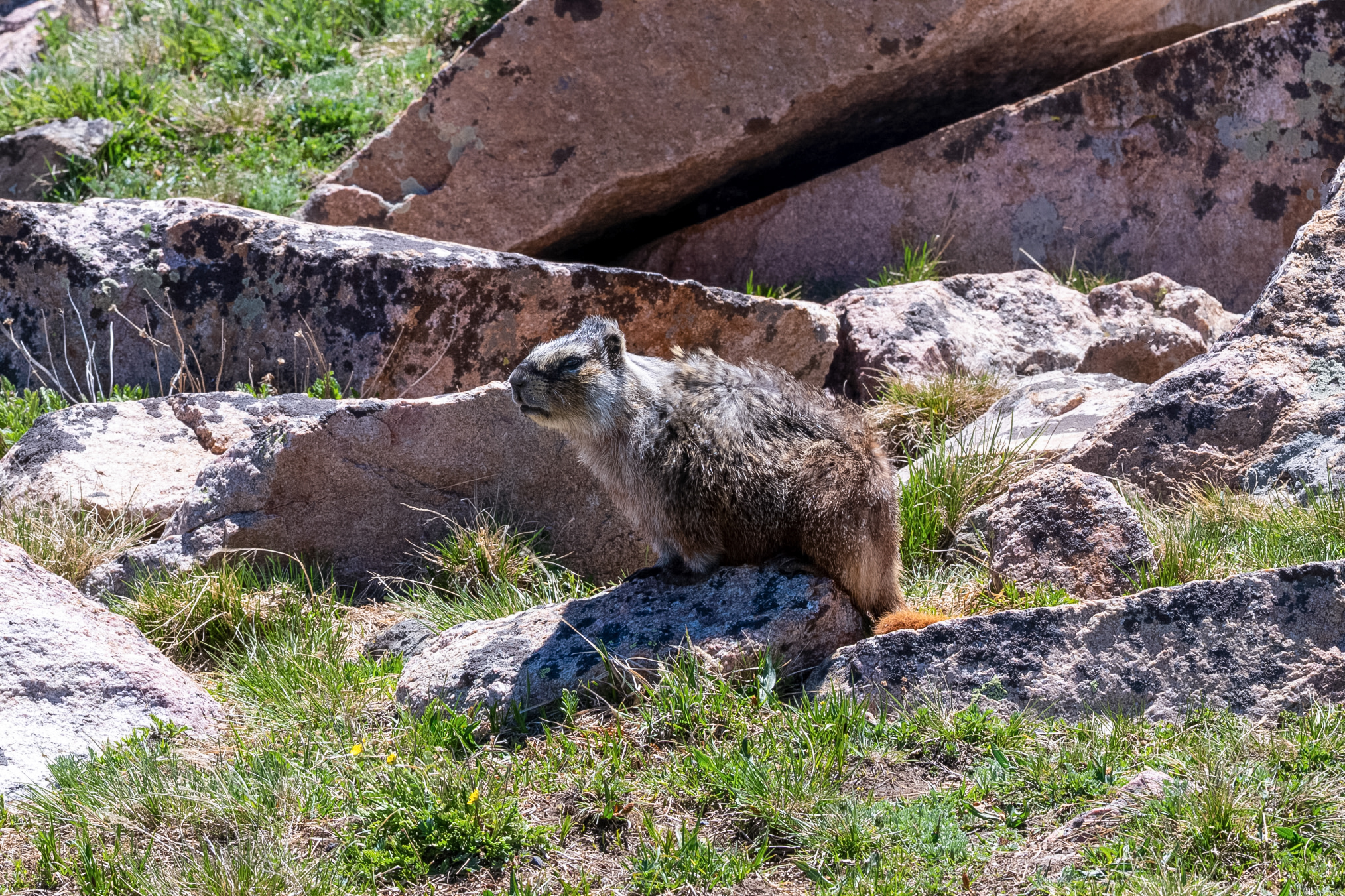
Another view.
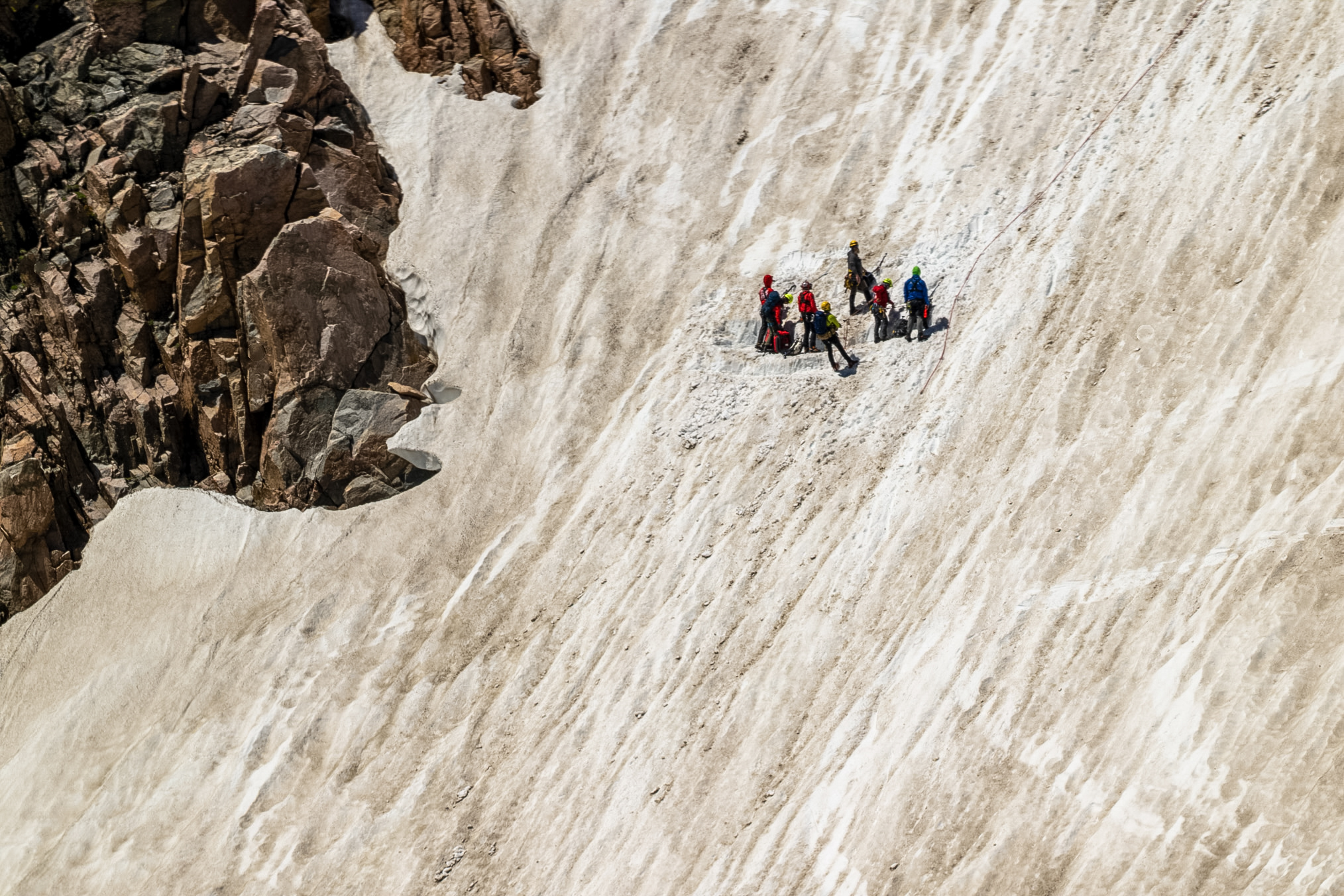
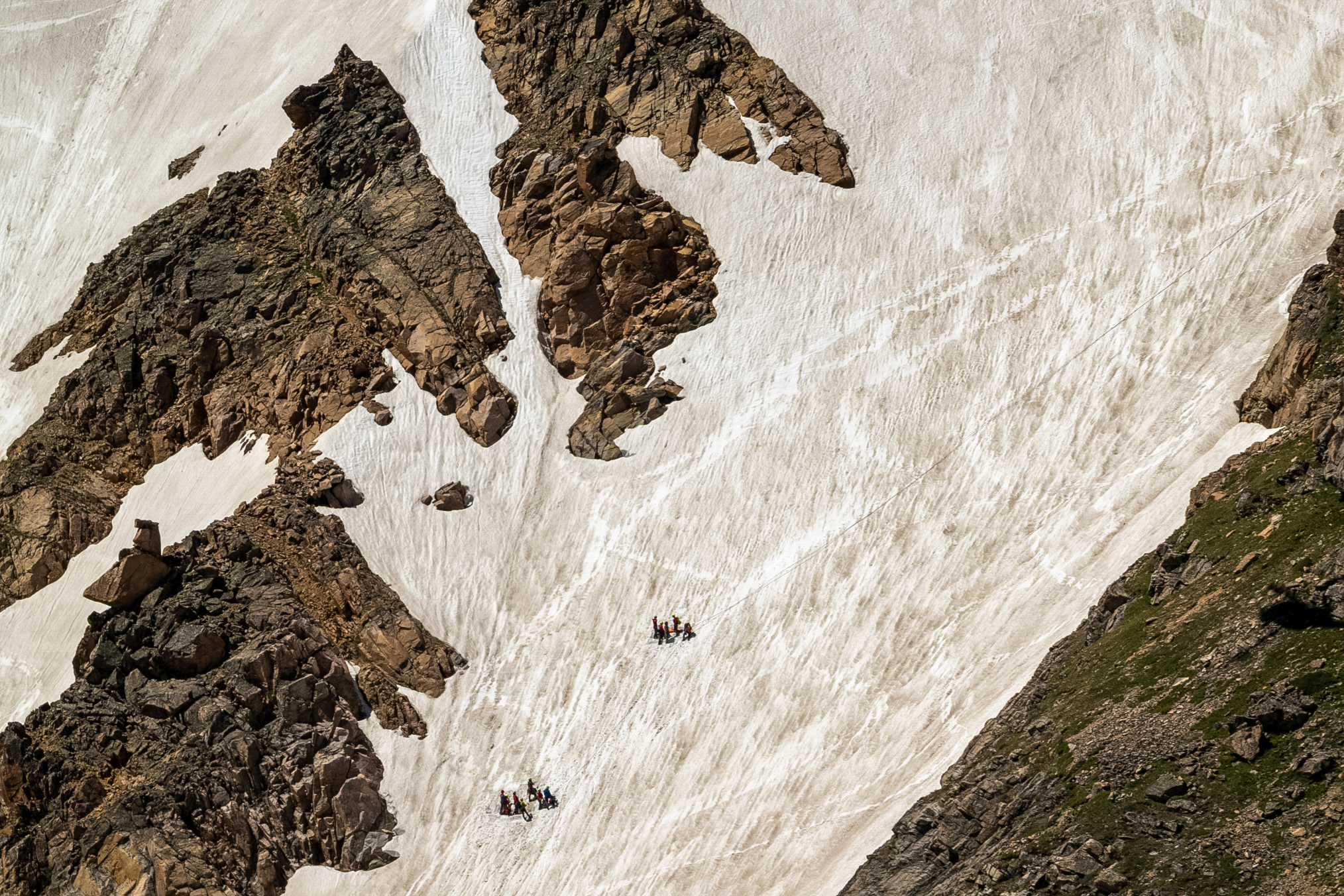
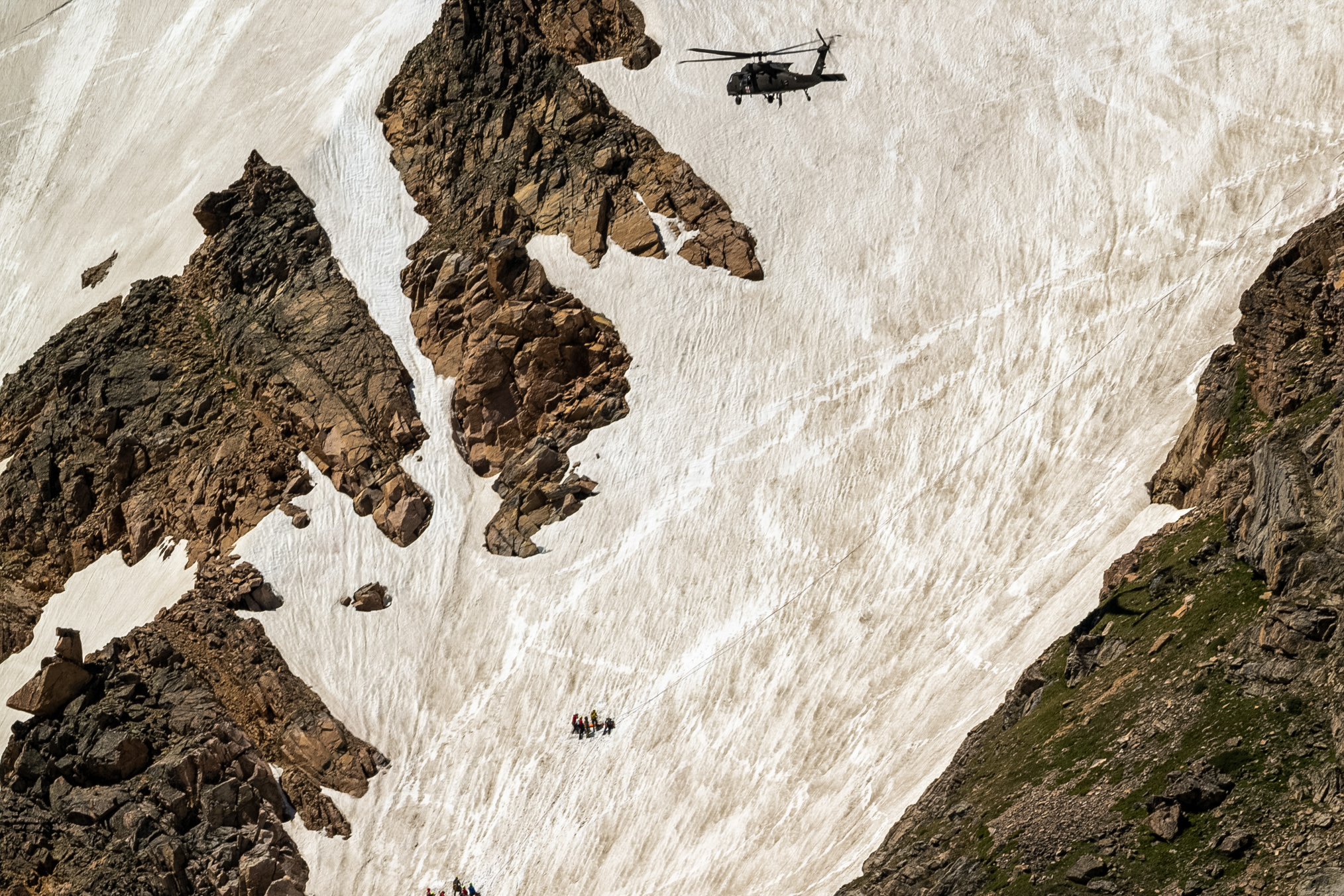
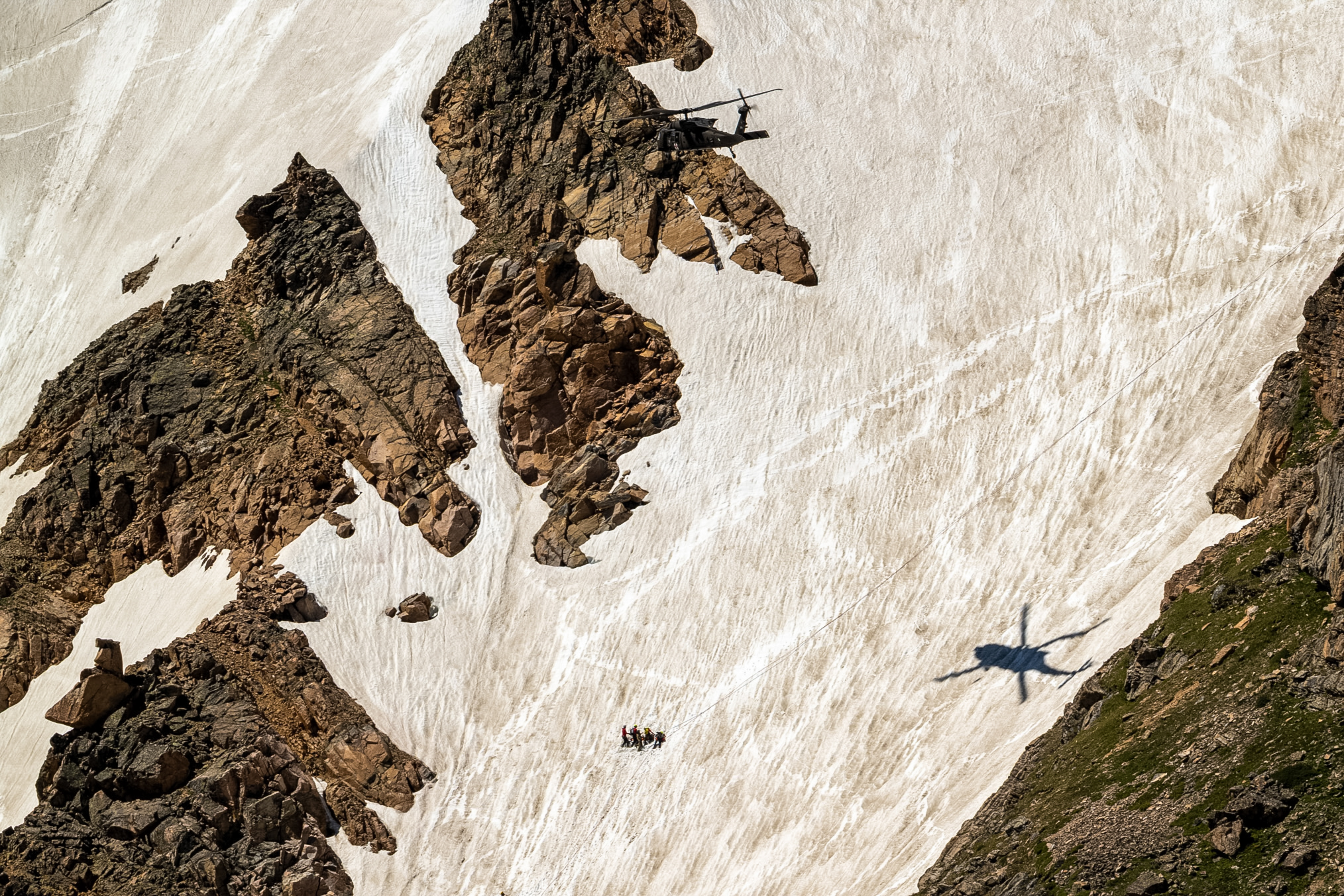
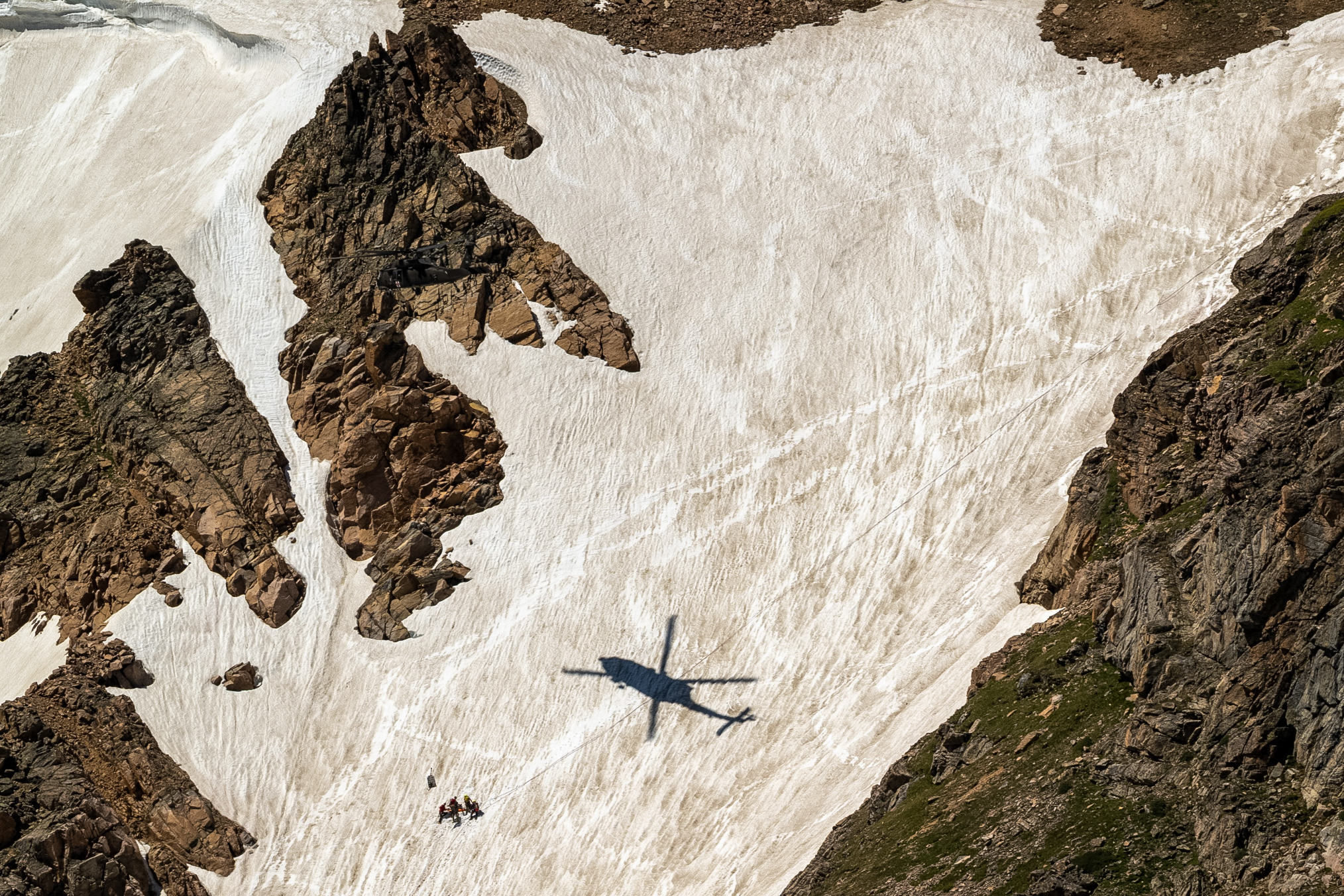
About a mile or so east of the pass I saw a lot of people parked along the road looking down a slope. I pulled over and found that they were watching a rescue operation in progress. Turns out several folks were skiing down a glacier, lost control and wiped out. Helicopters were trying to reach the rescue crew but there were 30 to 40 mile an hour winds and they weren't able to drop their rescue line to the crew, however, eventually after coming back and forth about four times they did manage to land a line and I found out later that they did successfully rescue the folks.
Another photo.
Another photo.
Another photo.
Another photo.
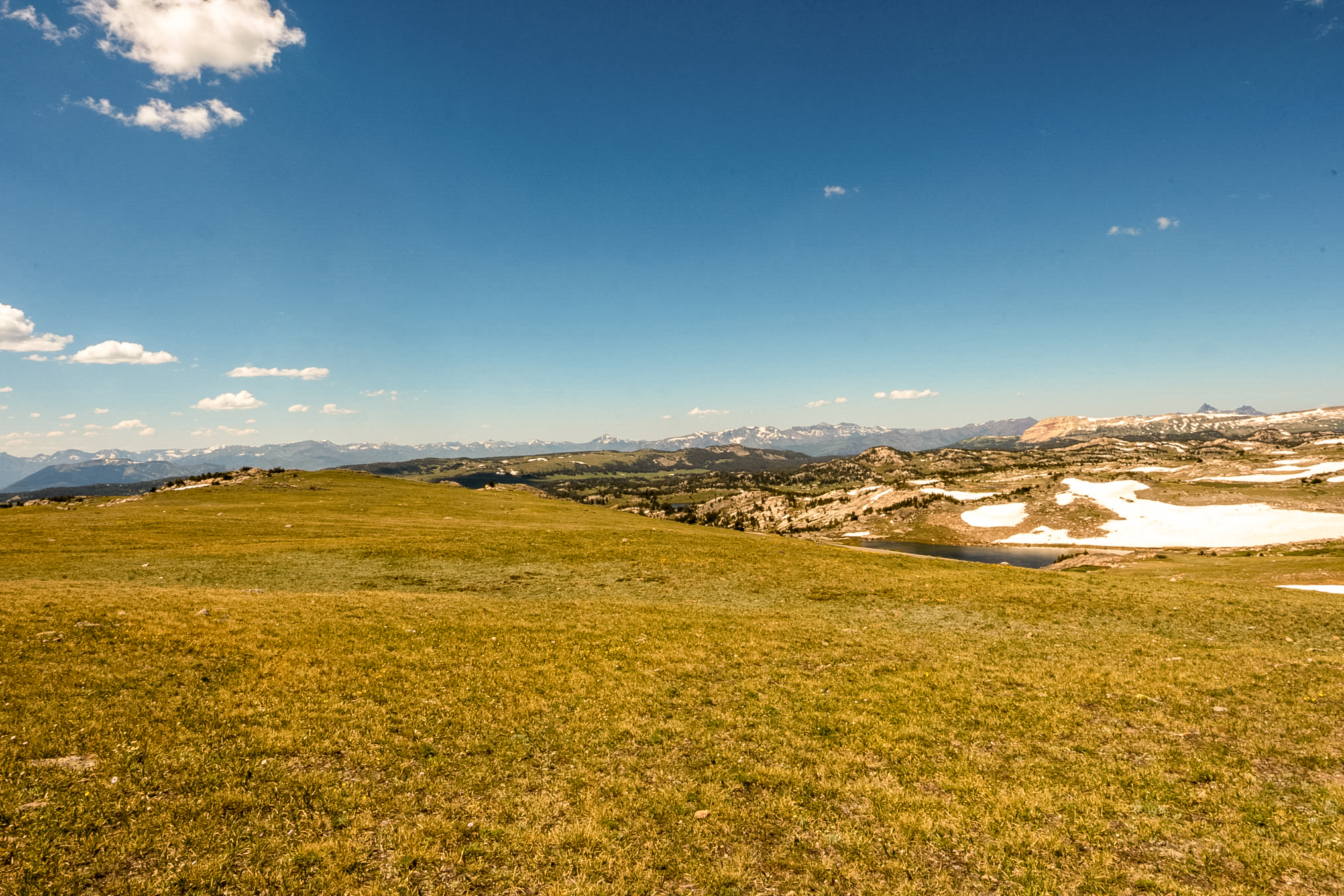
Now about 2 miles east of the pass. I spent the rest of the afternon collecting here. A few scenery shots.
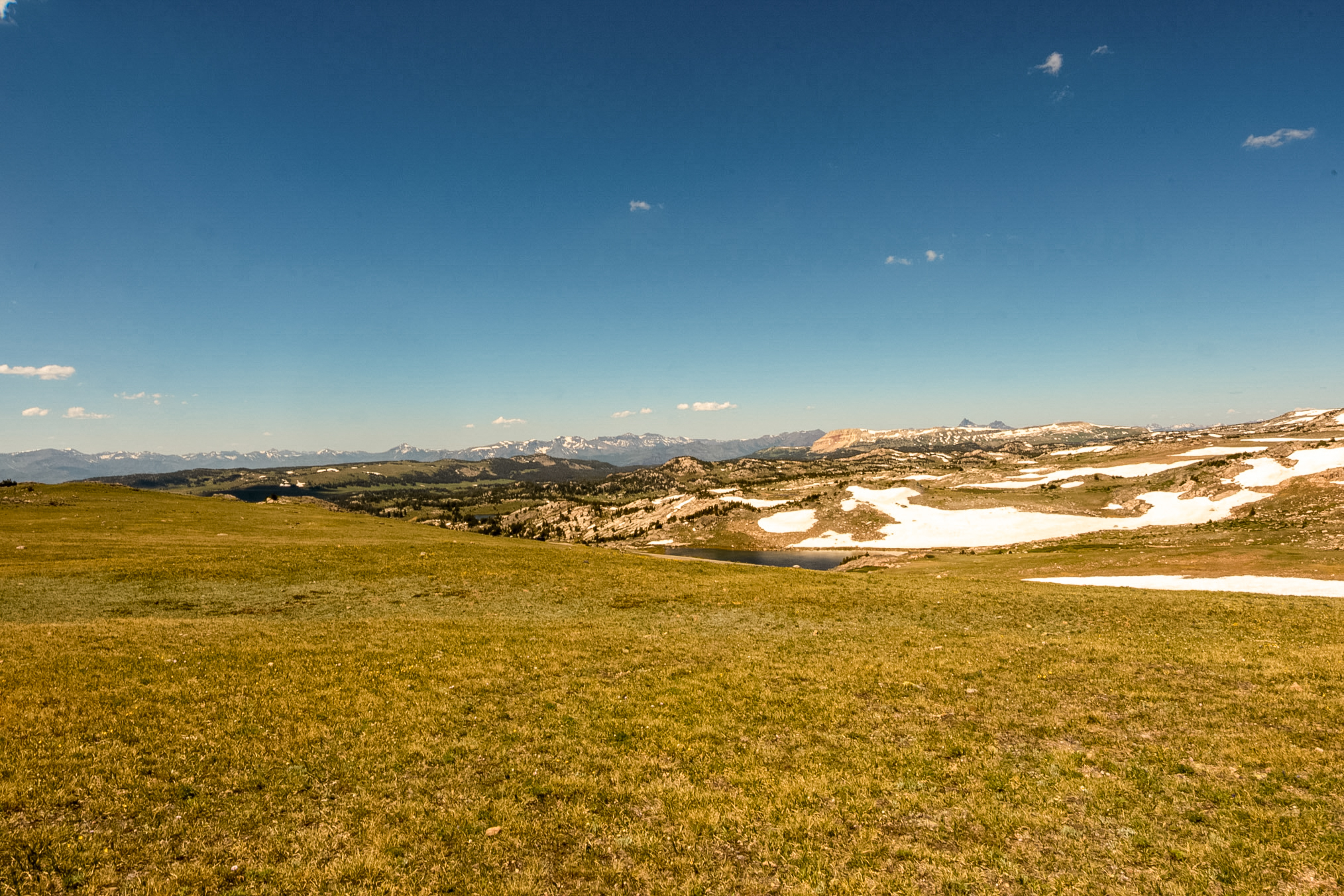
A little to the right.
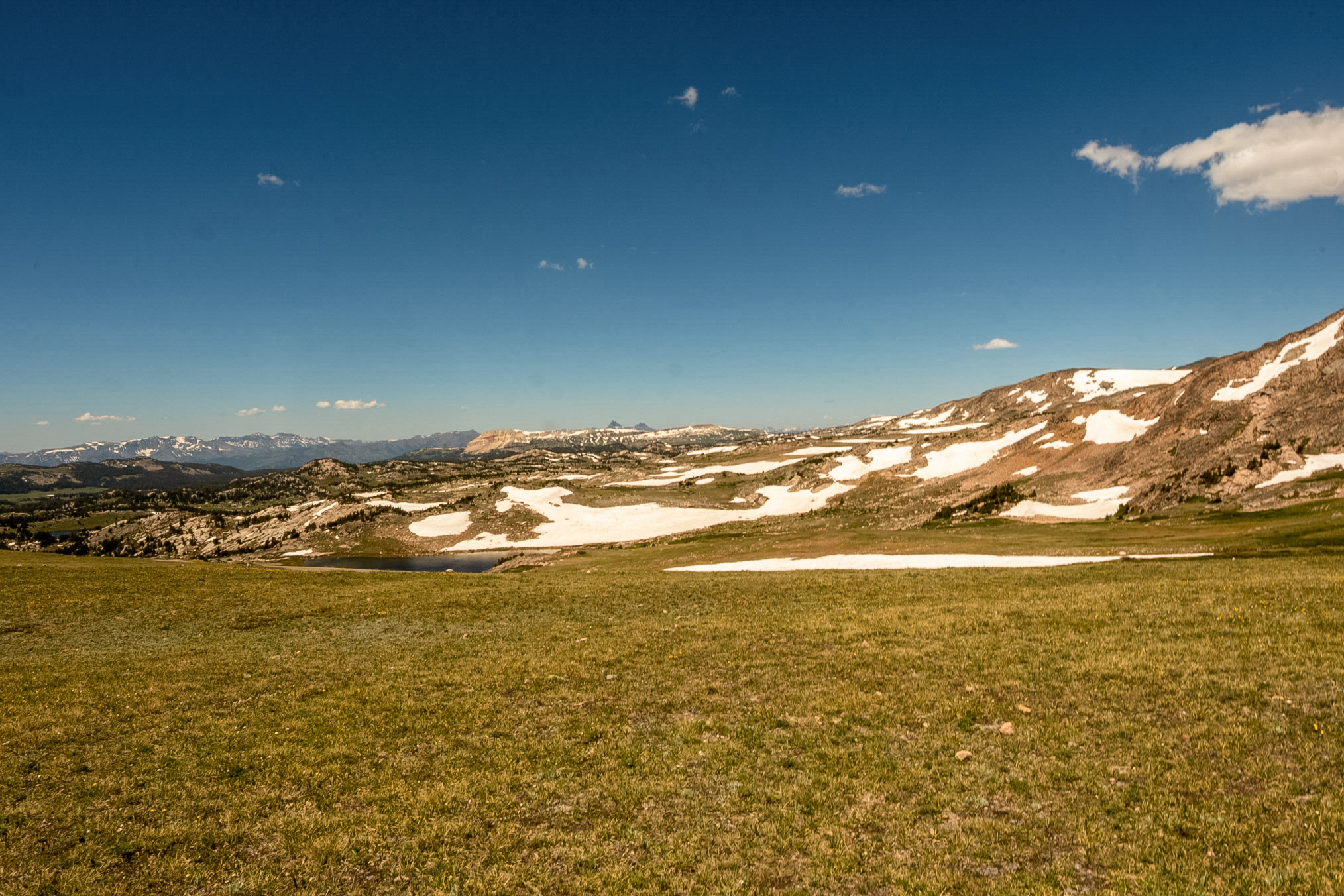
A little to the right.
A little to the right.
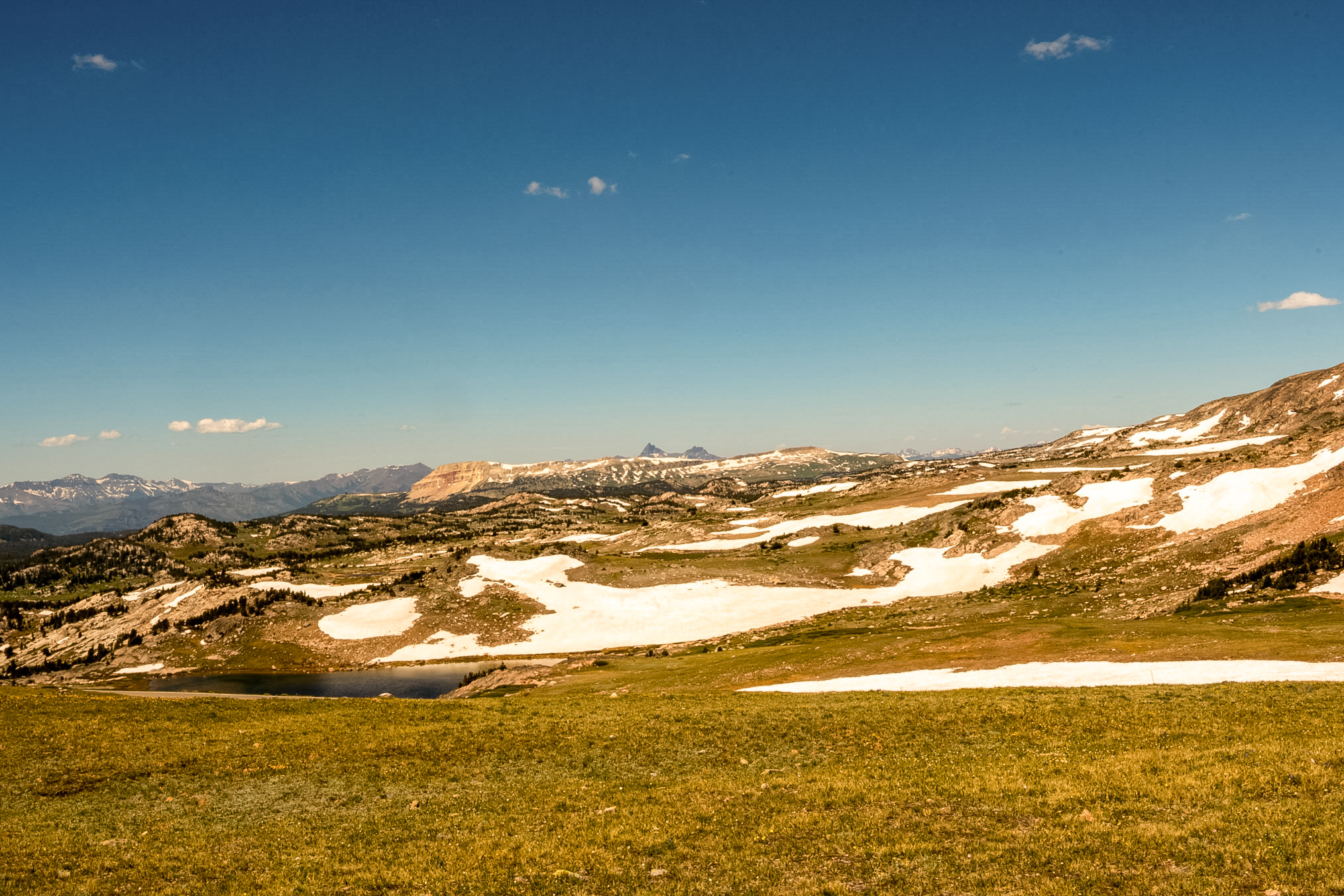
Another view.
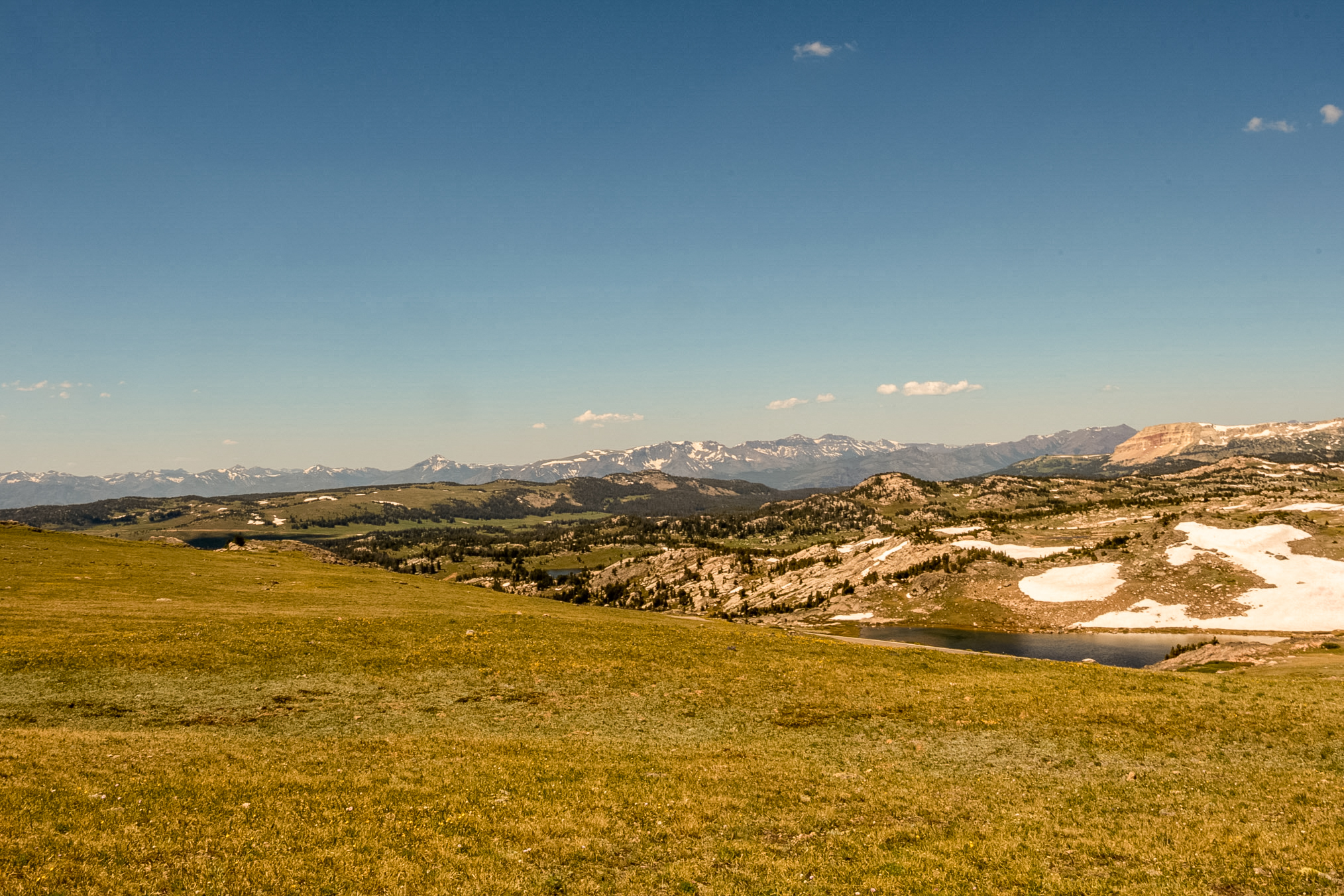
Oeneis bore edwardsi.
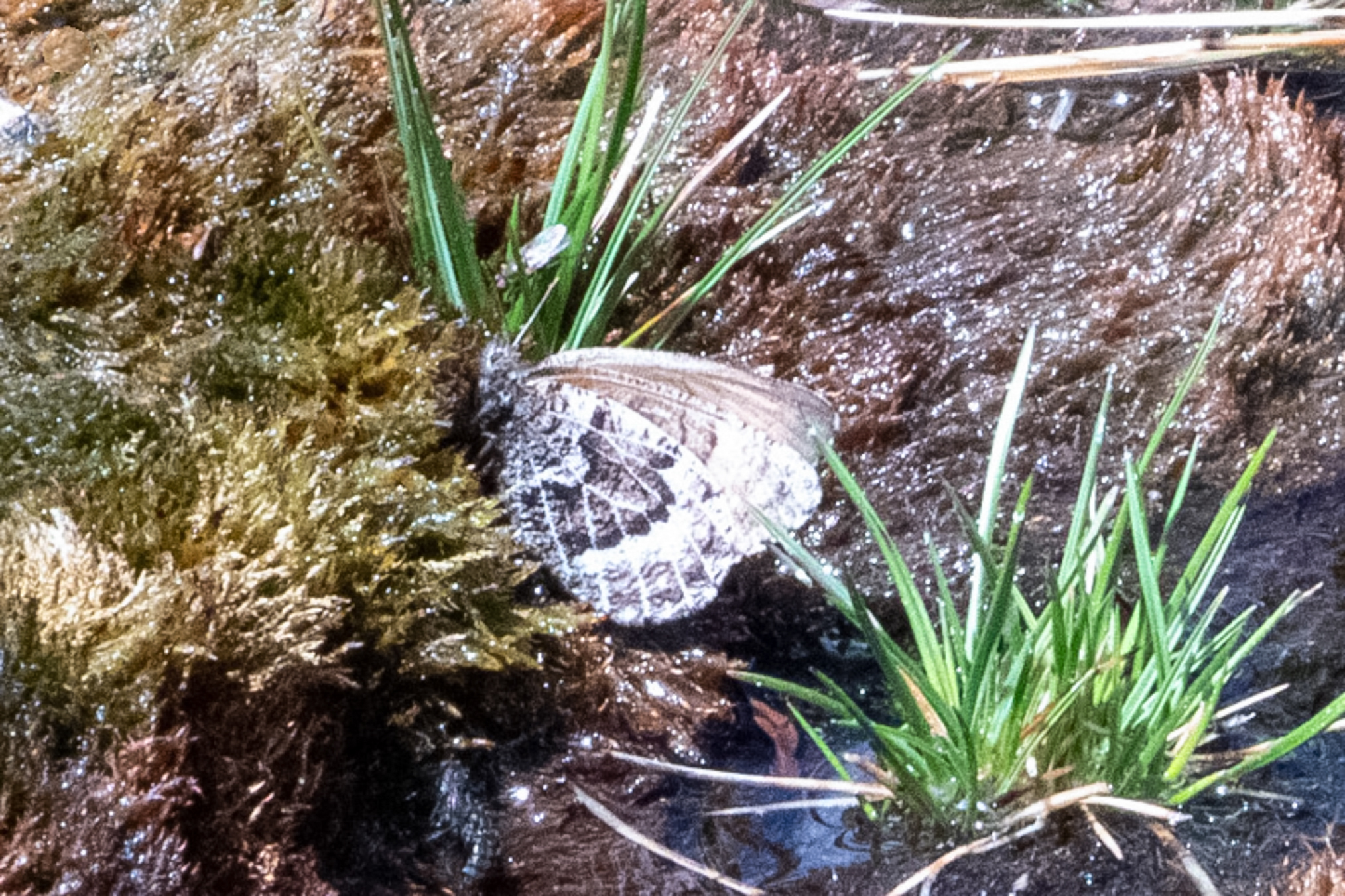
More scenery. Late in the afternoon I climbed the hill across the road and found several Euphydryas species and more O. bore.
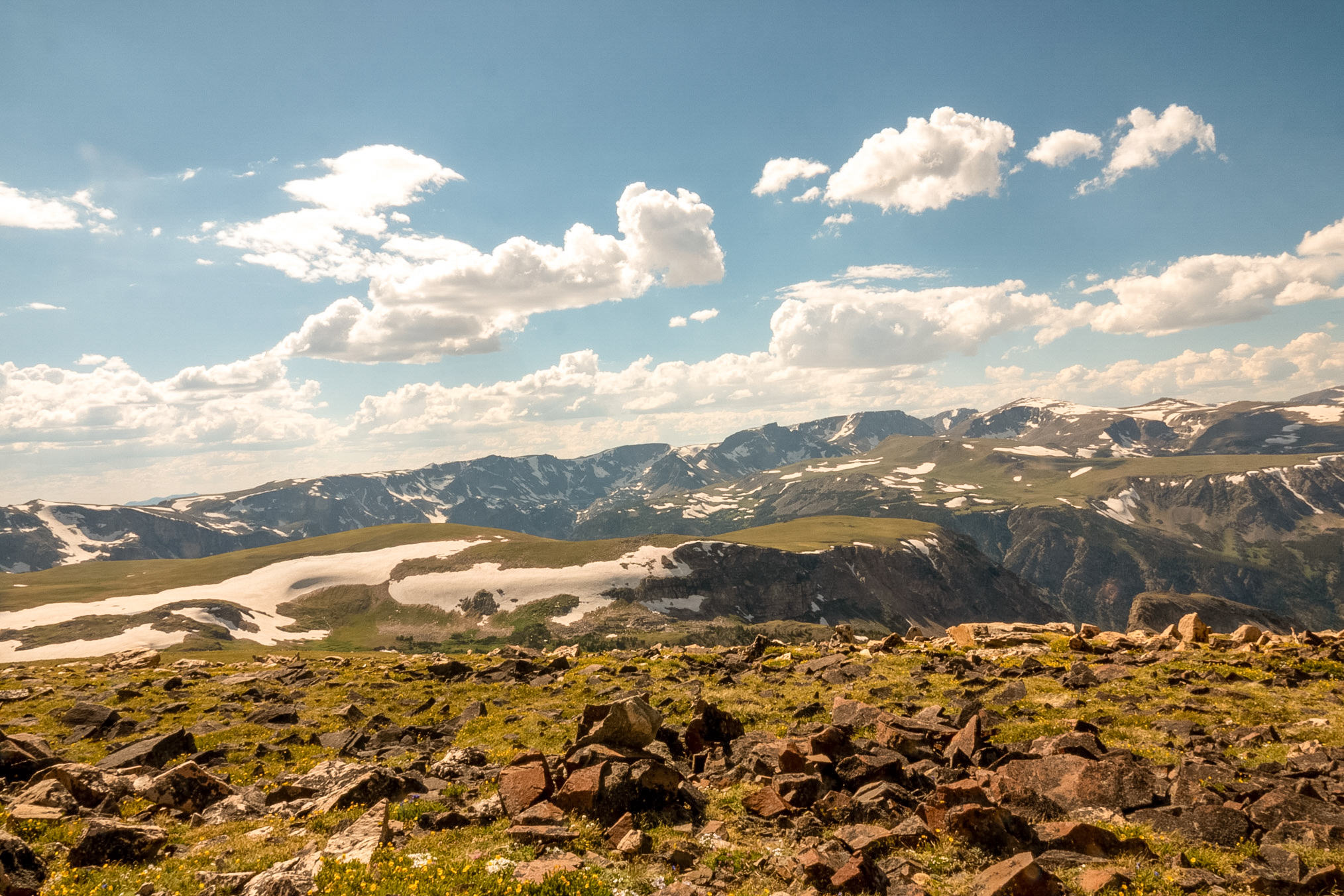
Was a nice day, just warm enough not to need a jacket, although it was very windy at the pass.
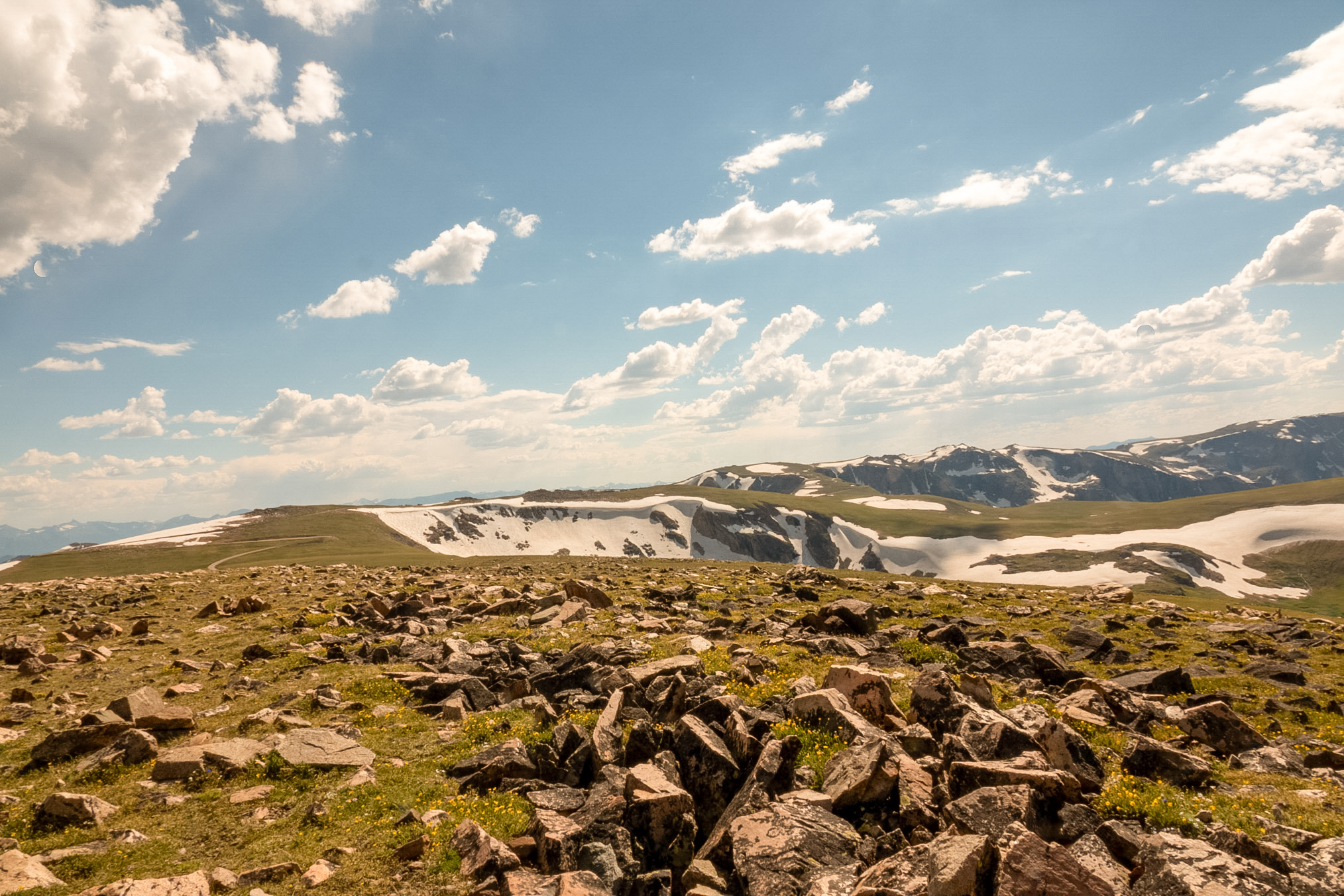
At the very top of the hill.
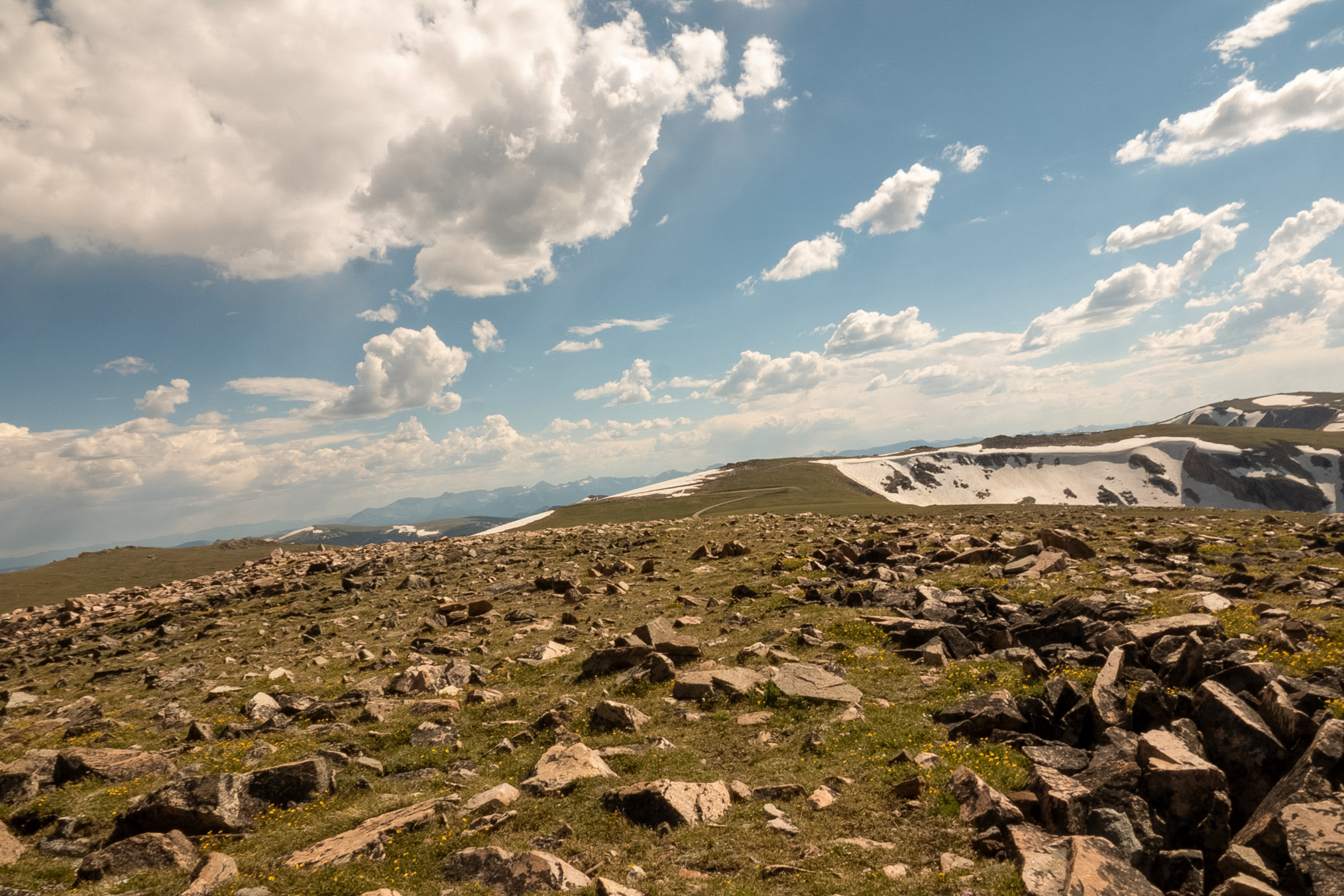
Another view.
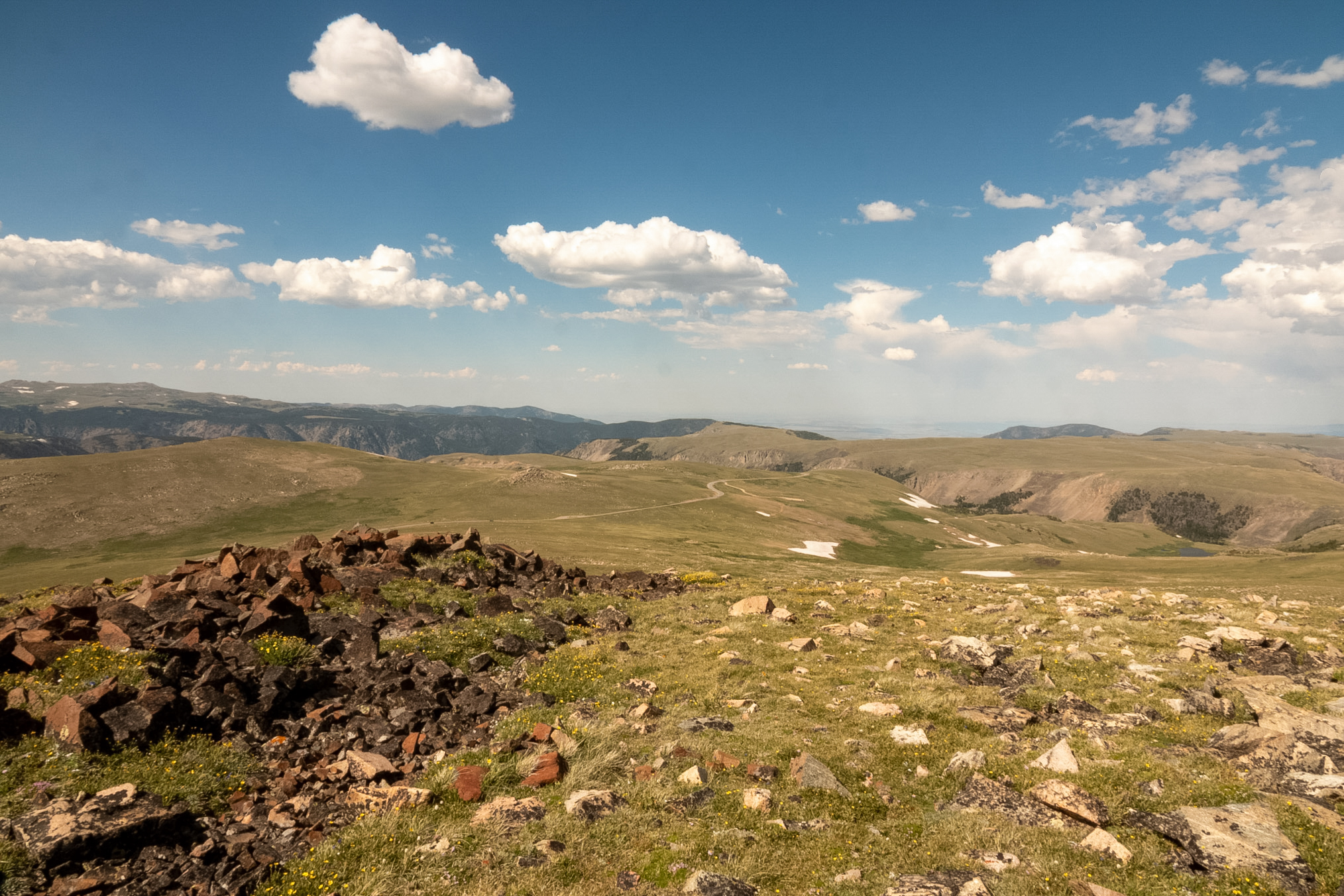
Easy to hike here.
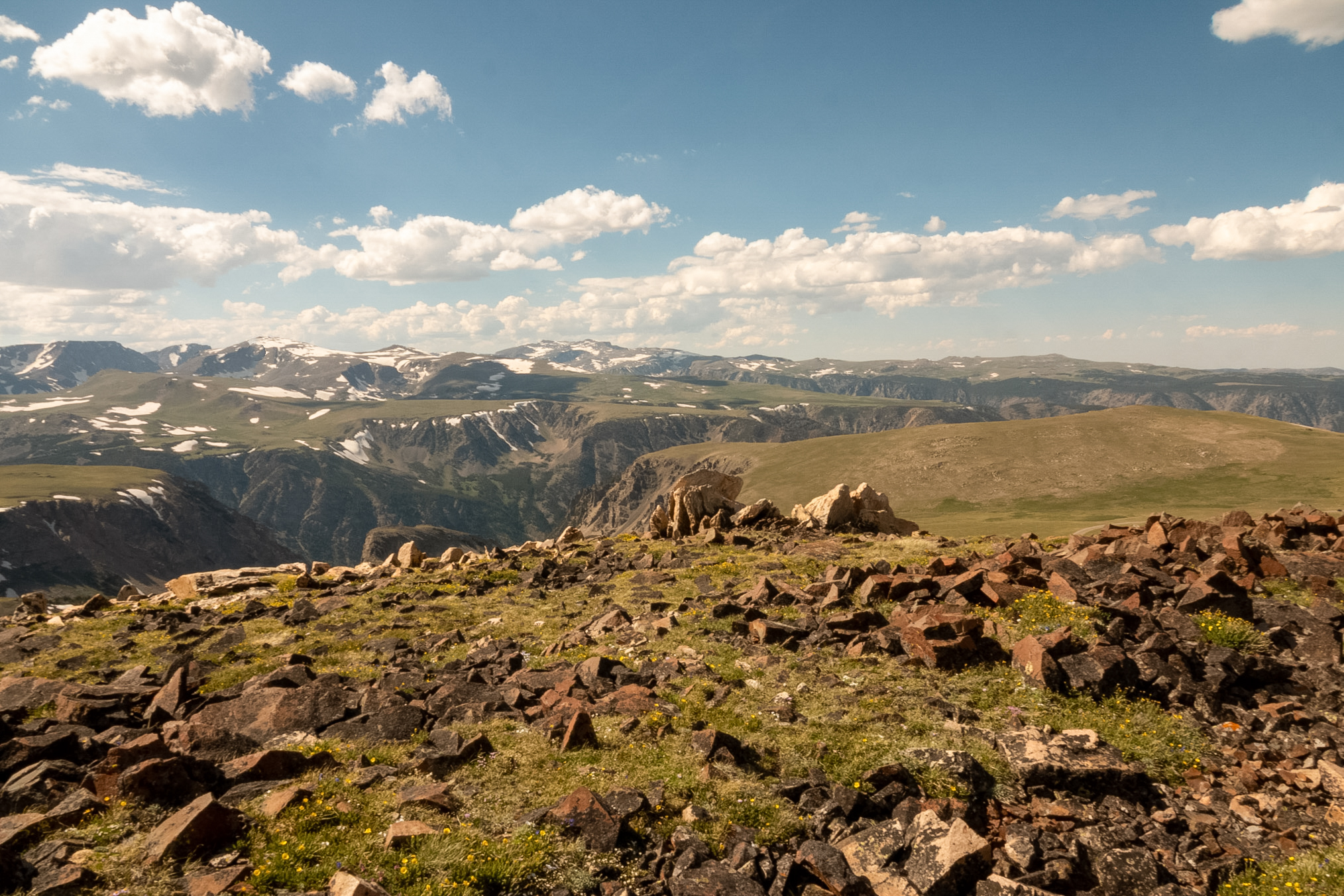
Still on the top of the hill.
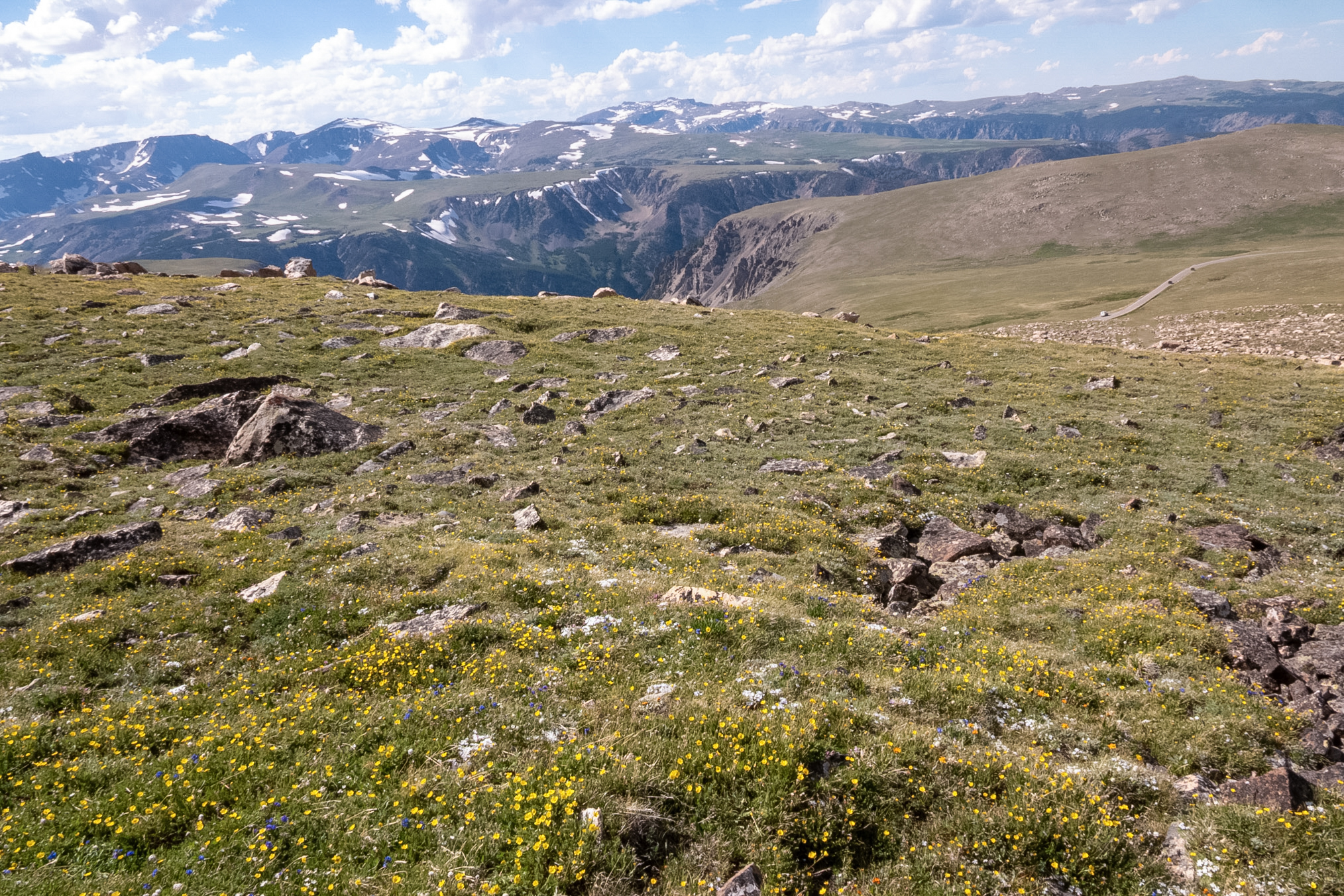
Hiking back down, near the camper.
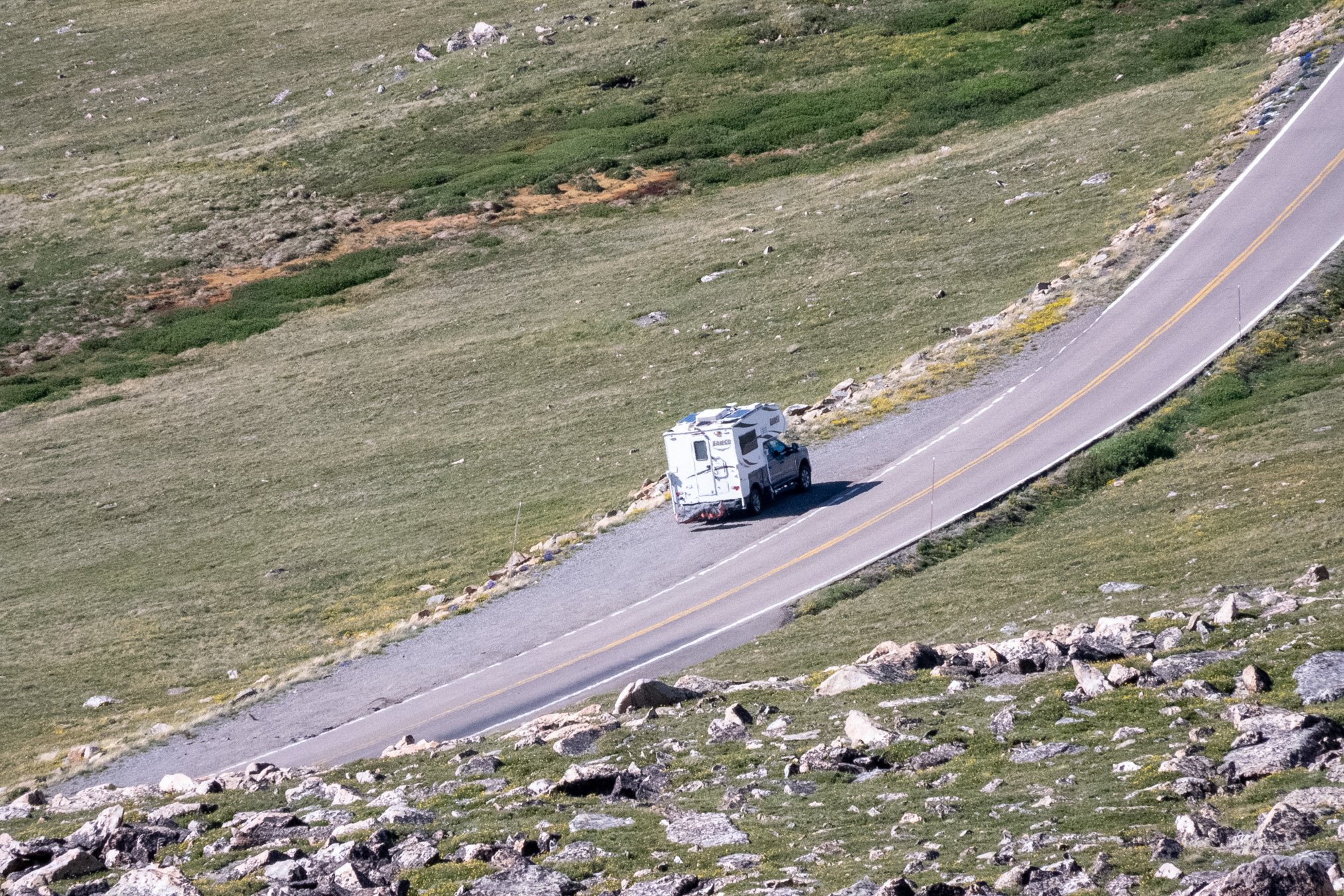
Looking back up the hill.
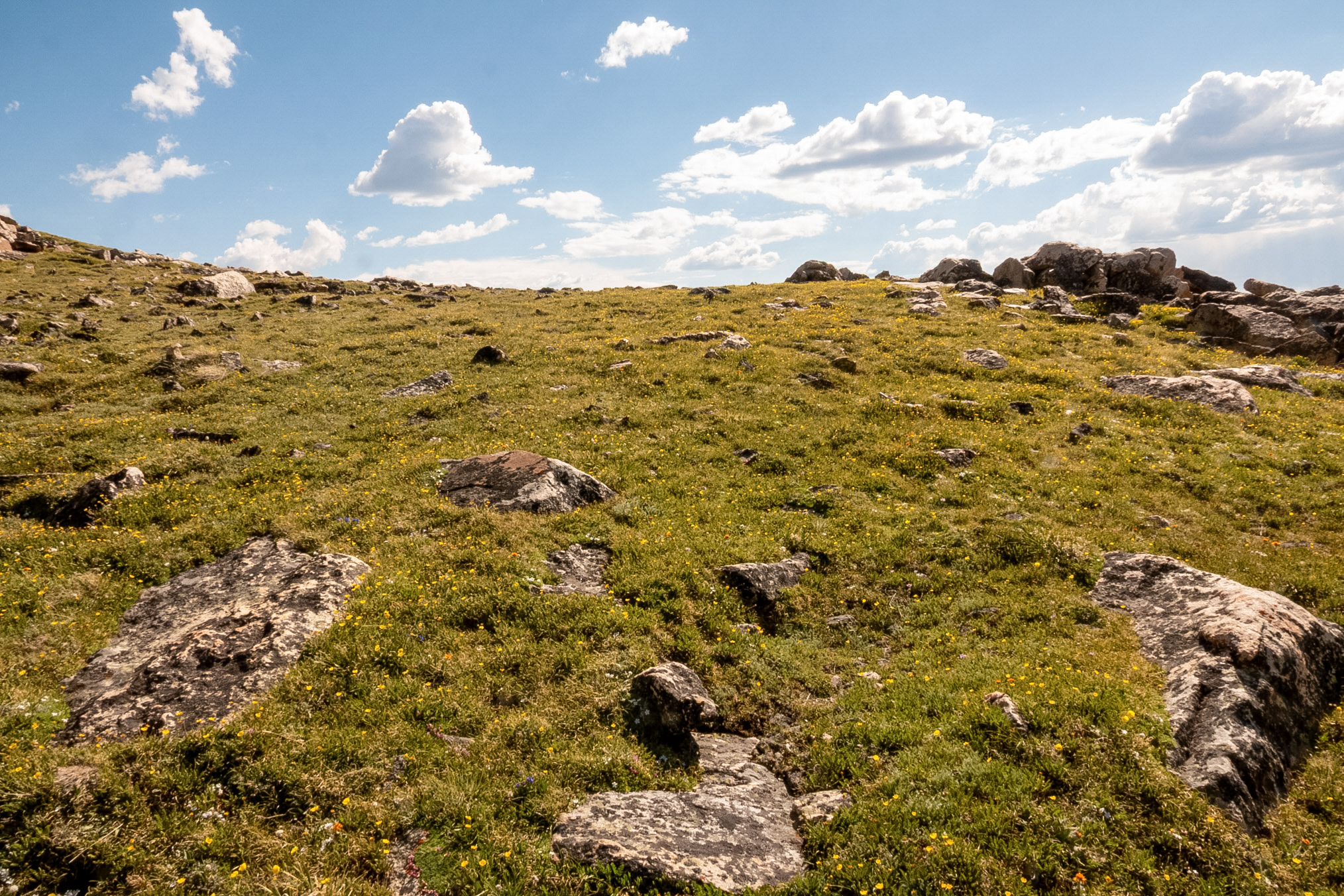
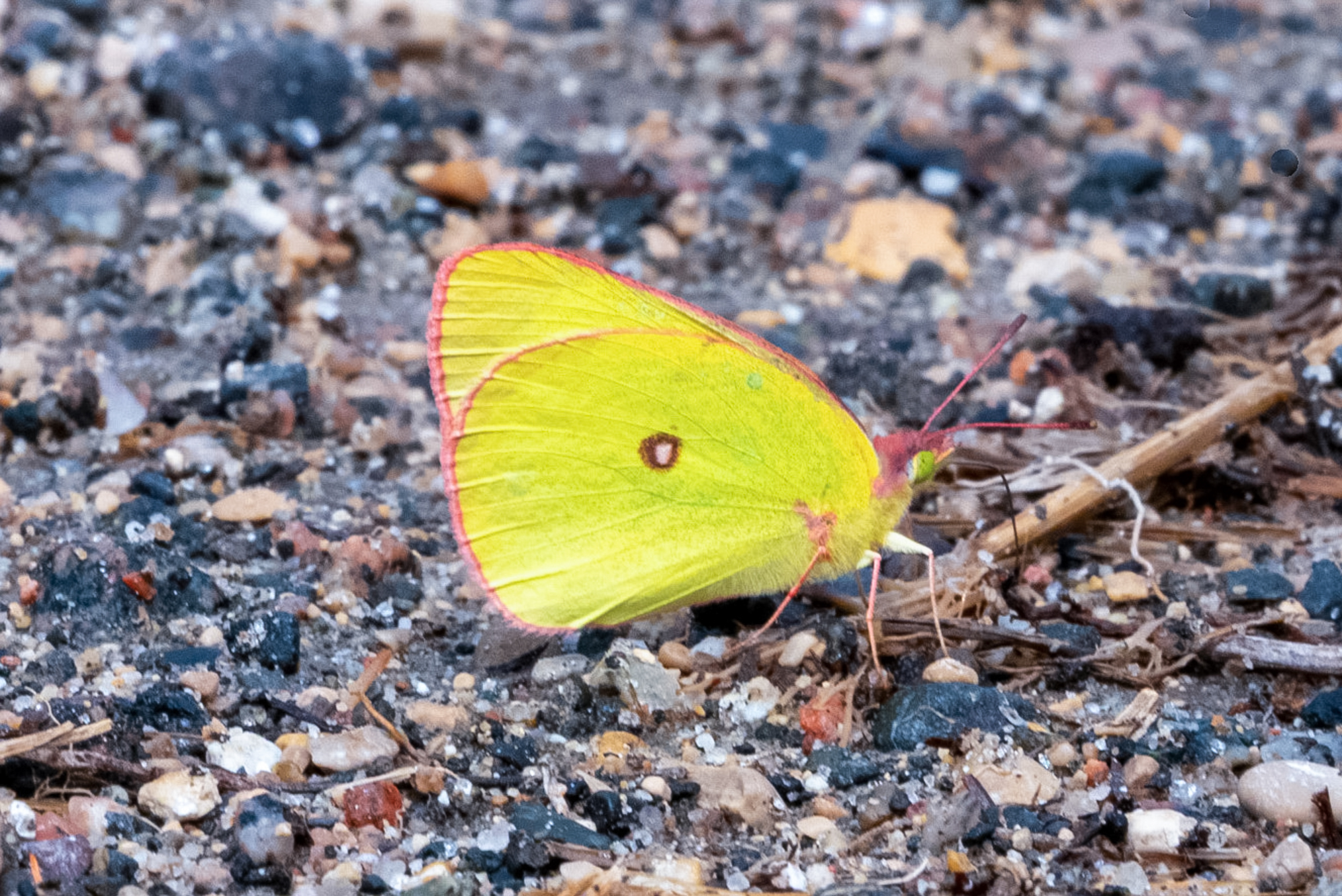
A few days later, July 13, a C. interior on Fushimi Lake road. I am now in Ontario, on my way to Quebec.
July 14, at the start of the Translimit Road, which is a shortcut from Cochrane ON to Quebec, saving almost 2 hours vs. taking the regular highways. Just a few miles east of Cochrane at this point.
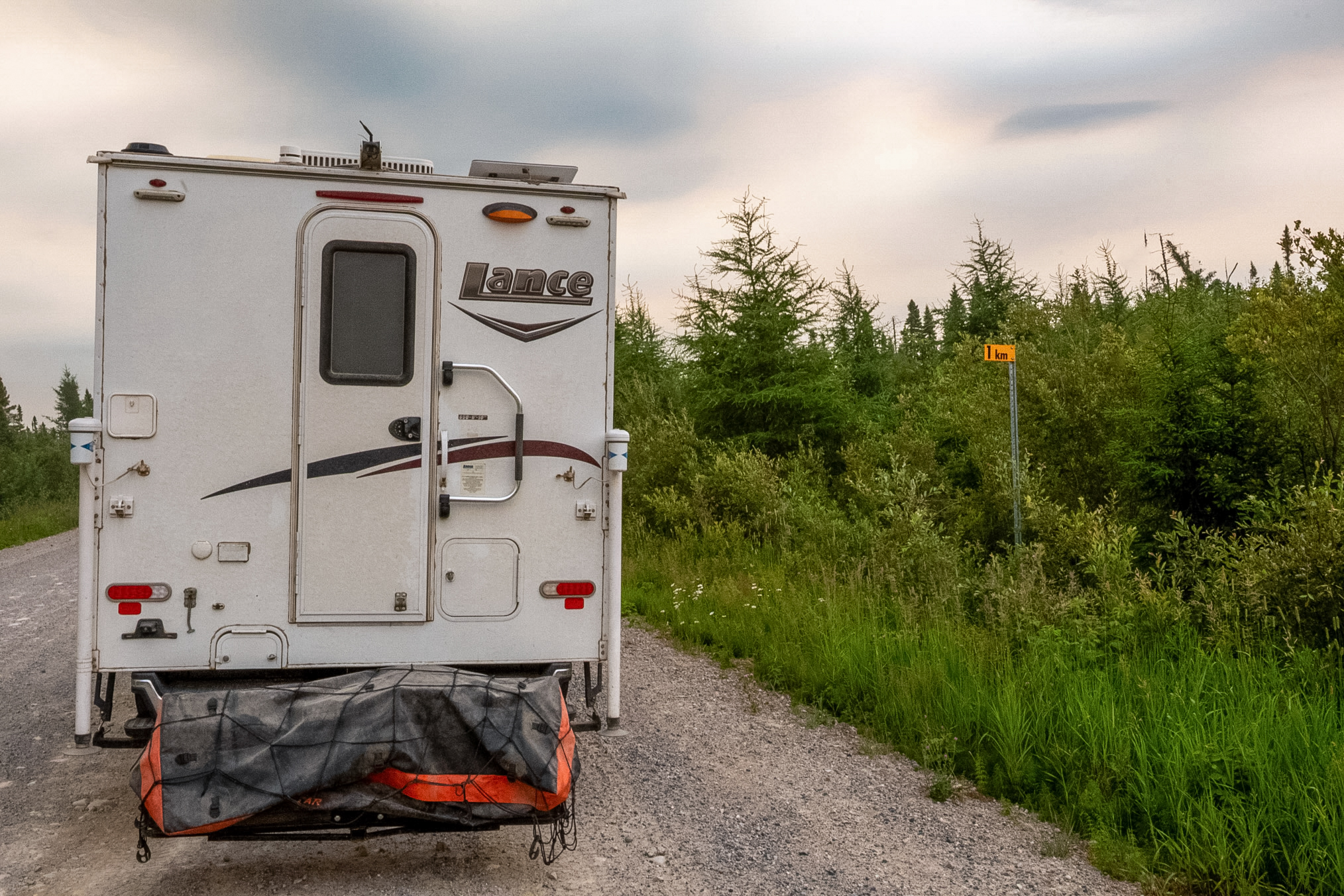
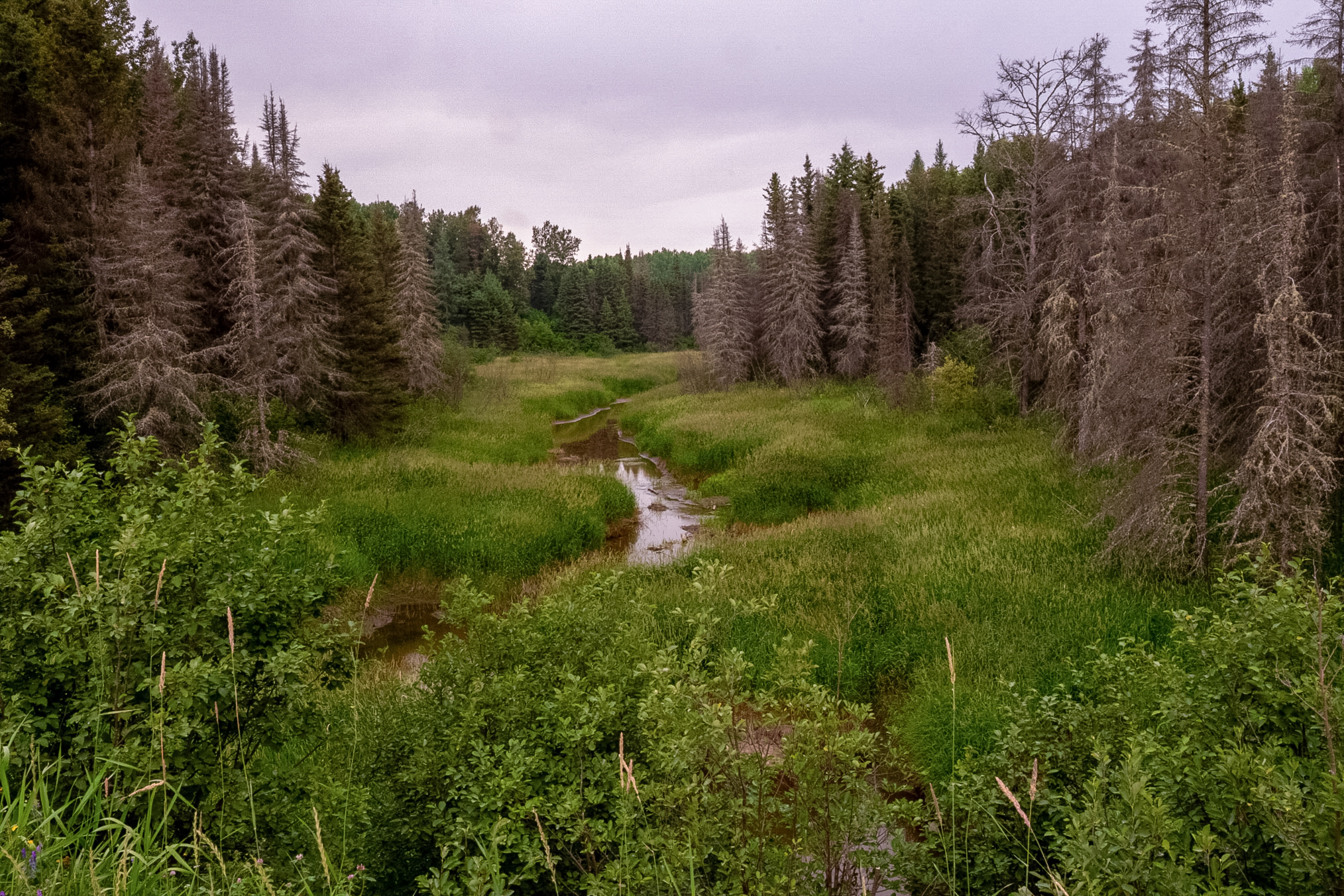
More scenery. Nice to see green and water, despite the fire damage.
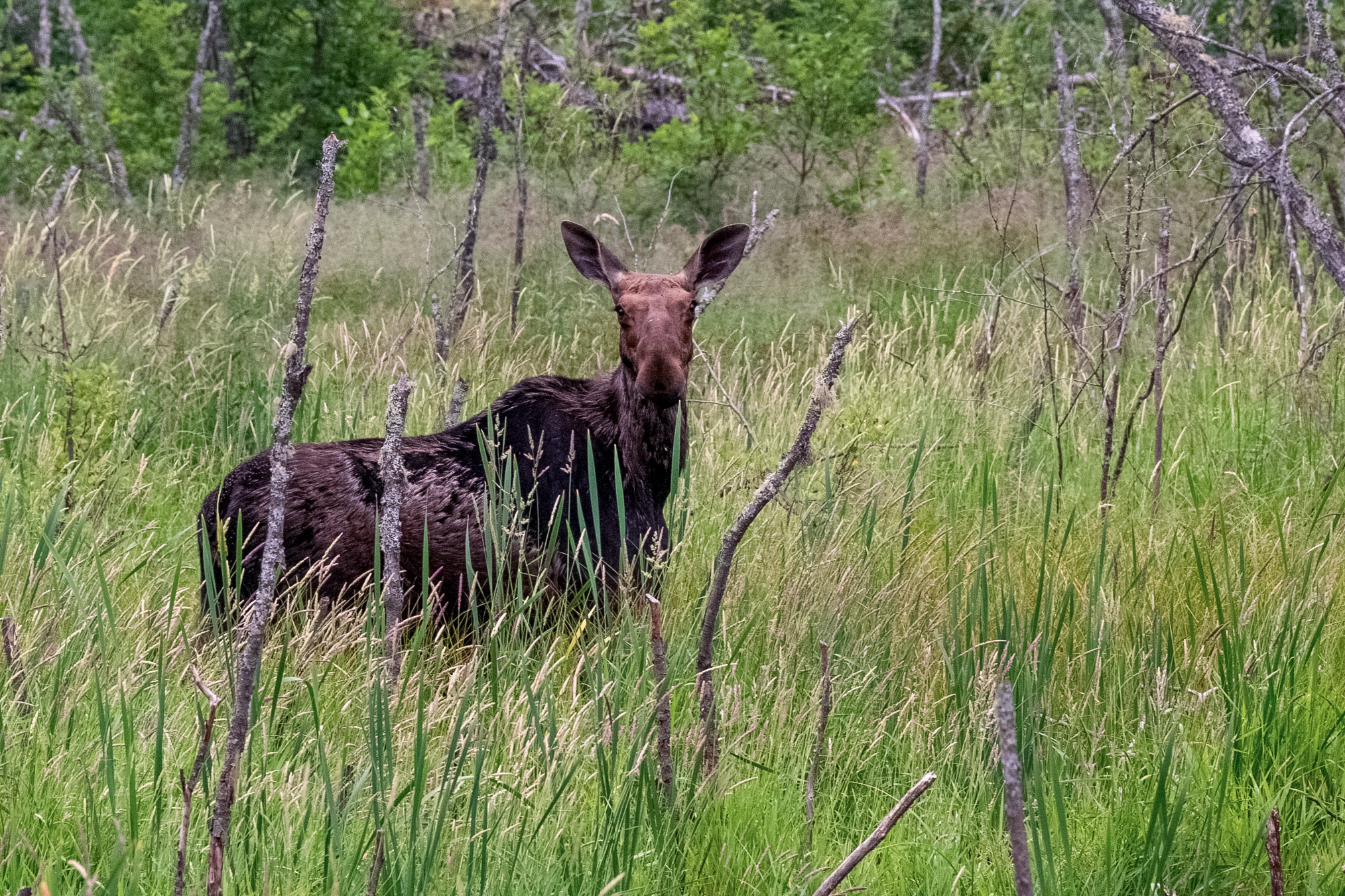
One of two moose that I saw on the trip.
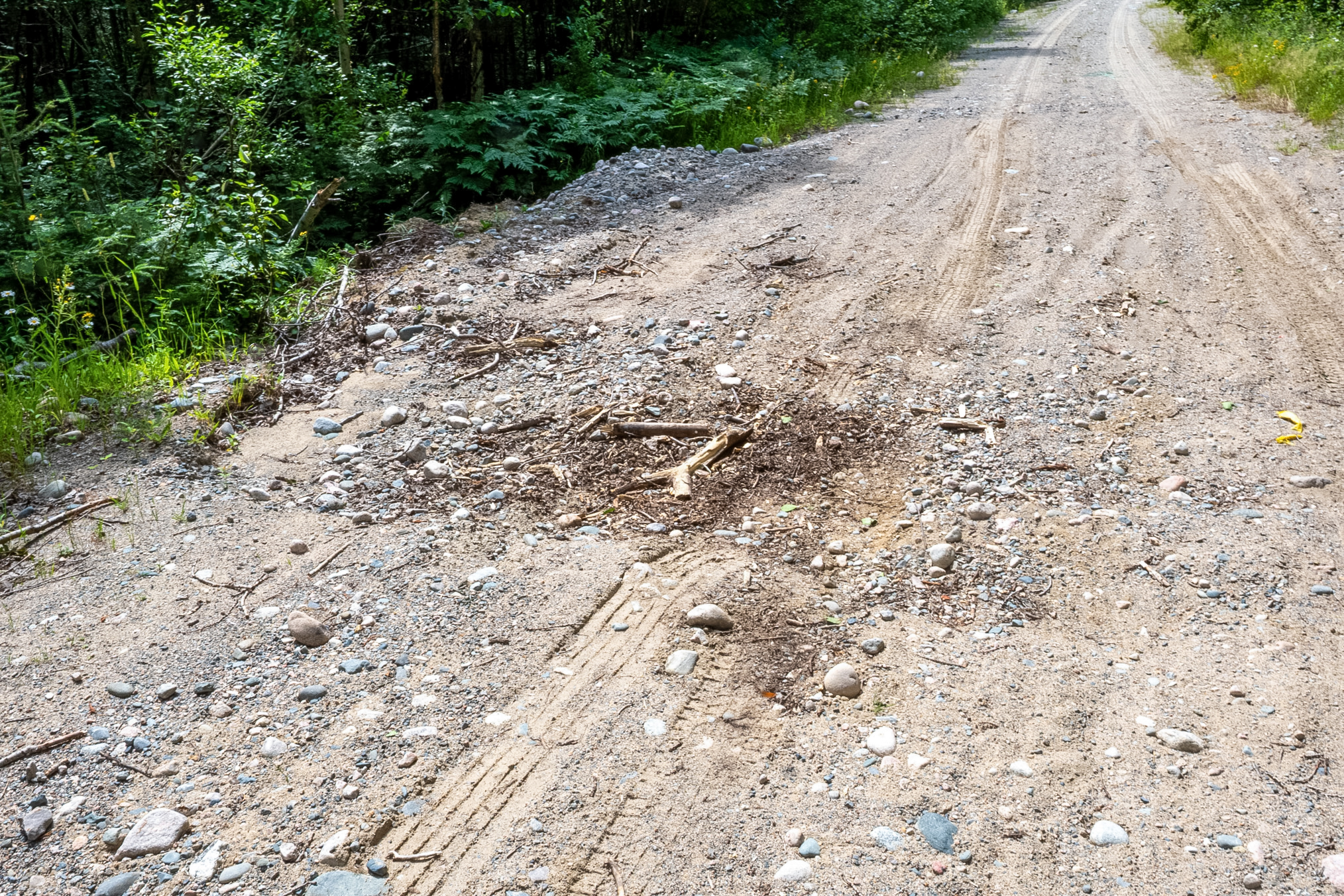
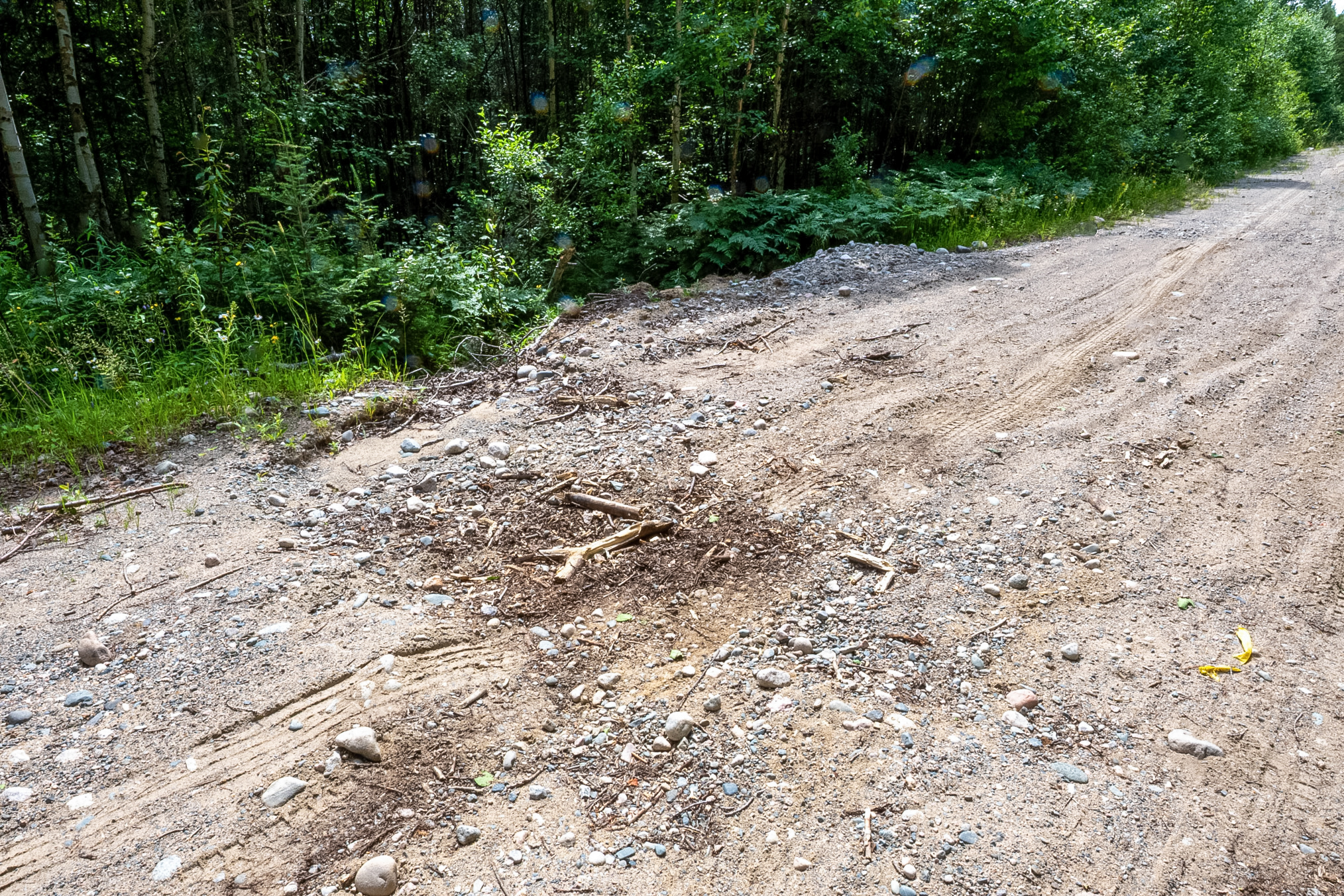
I took this photo to document the road damage and repair. Last year, this was a huge, huge crater, and I was surprised to see that they had repaired it. I remarked to my brother-in-law that good old boys were driving their trucks around the crater, but I was afraid I might slip in and opted to back track and avoid the risk. He pointed out that if I fell in, I might not have been able to get out of the truck. BTW, I drove around the Crossover Road to the other entrance, and was now coming in from the east, as I was not sure that I could have made it through coming from the west. This is the Crossover Road, which is a shortcut on the Translimit Road.
Another view. Butterflies were quite good around this spot.
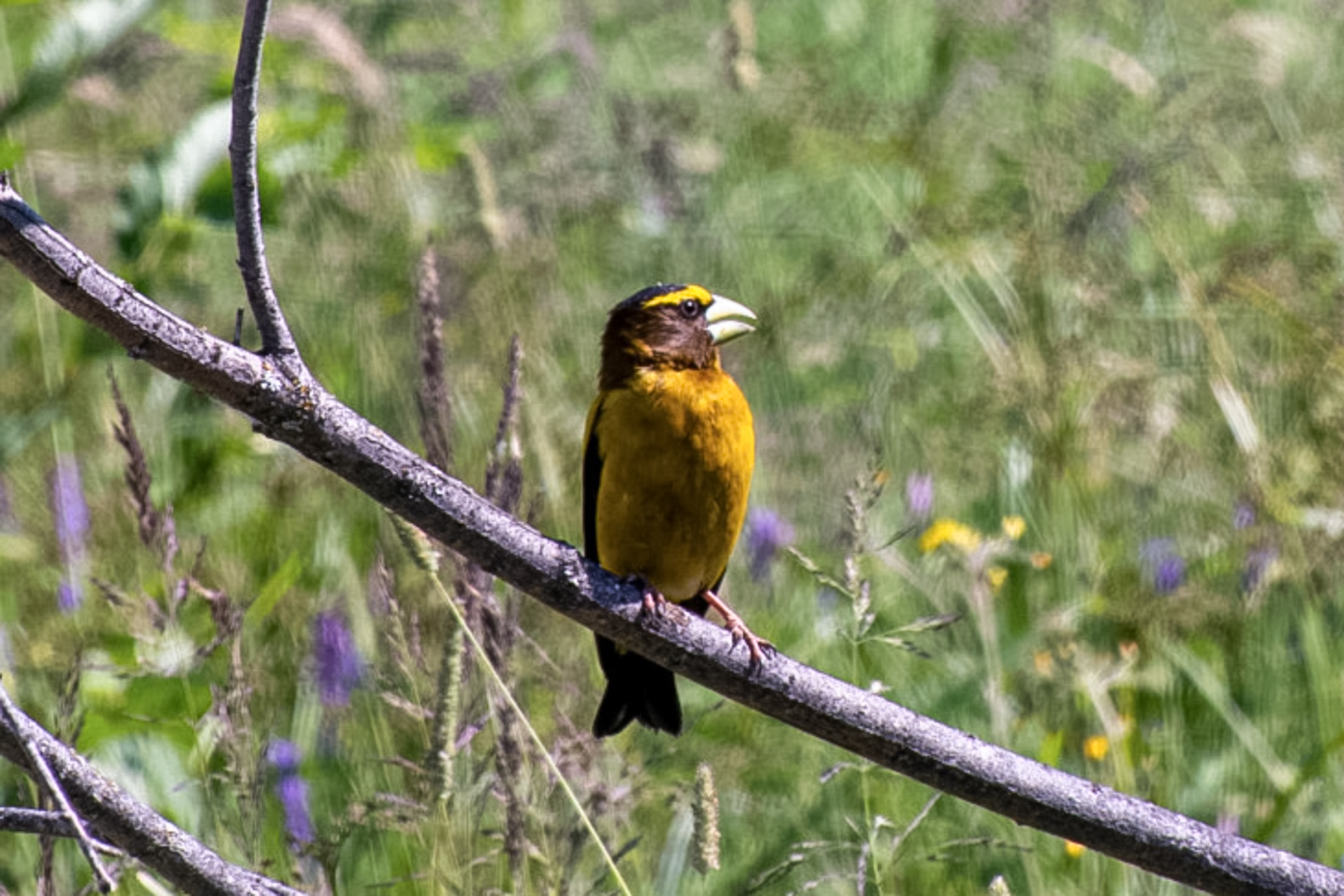
I captured this sharp look at a male Evening Grosbeak showcasing its signature tool—a massive, cone-shaped bill built perfectly for crushing thick seeds. These chunky, social finches are nomadic wanderers of the north woods, moving unpredictably from region to region whenever their favorite wilderness cone and berry crops fluctuate. This was at the intersection of the two roads, and a member of a small flock.
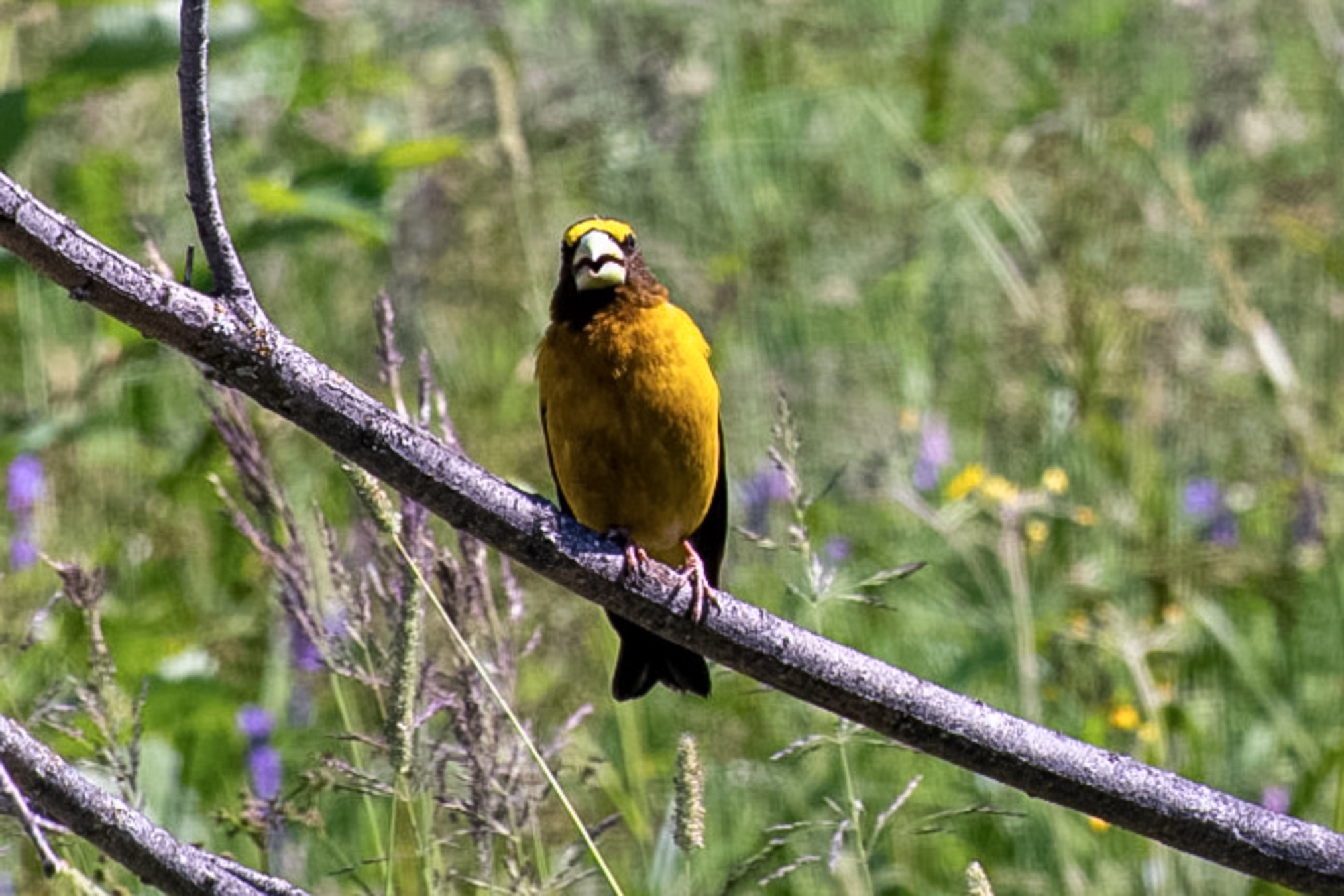
A beak only Jimmy Durante could love!
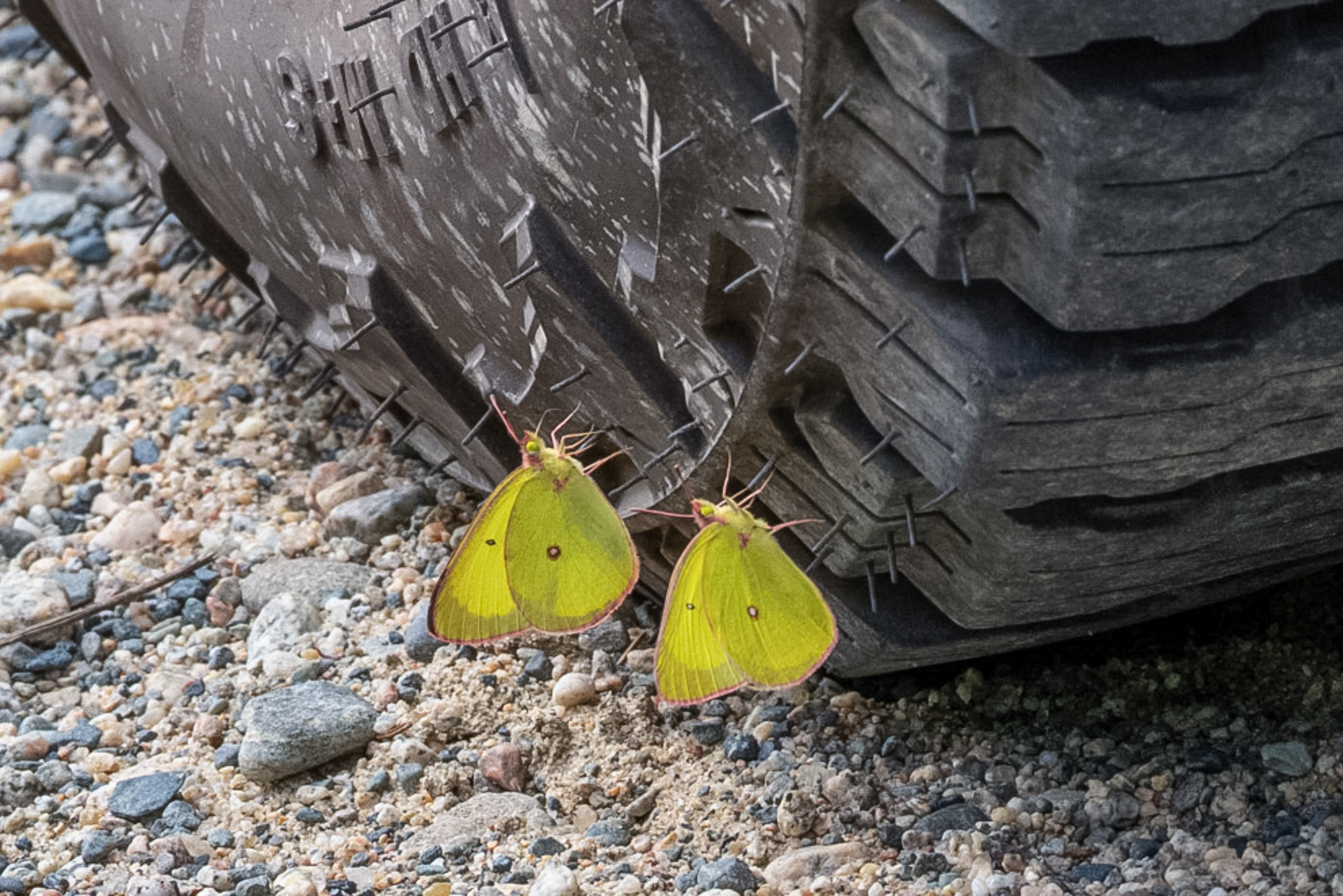
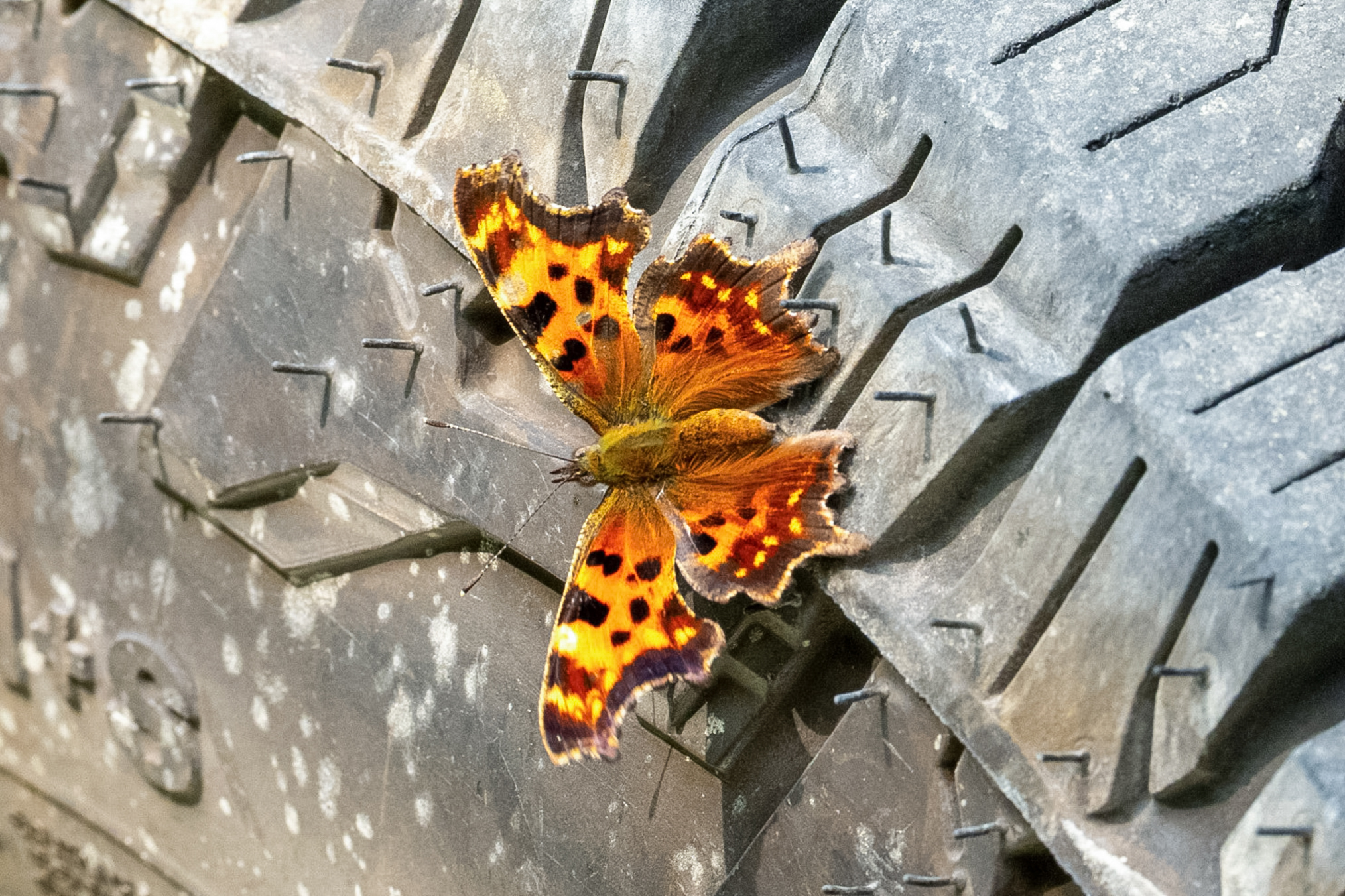
Unusual, never saw C. interior on my tires, usually a faunus favorite spot to land.
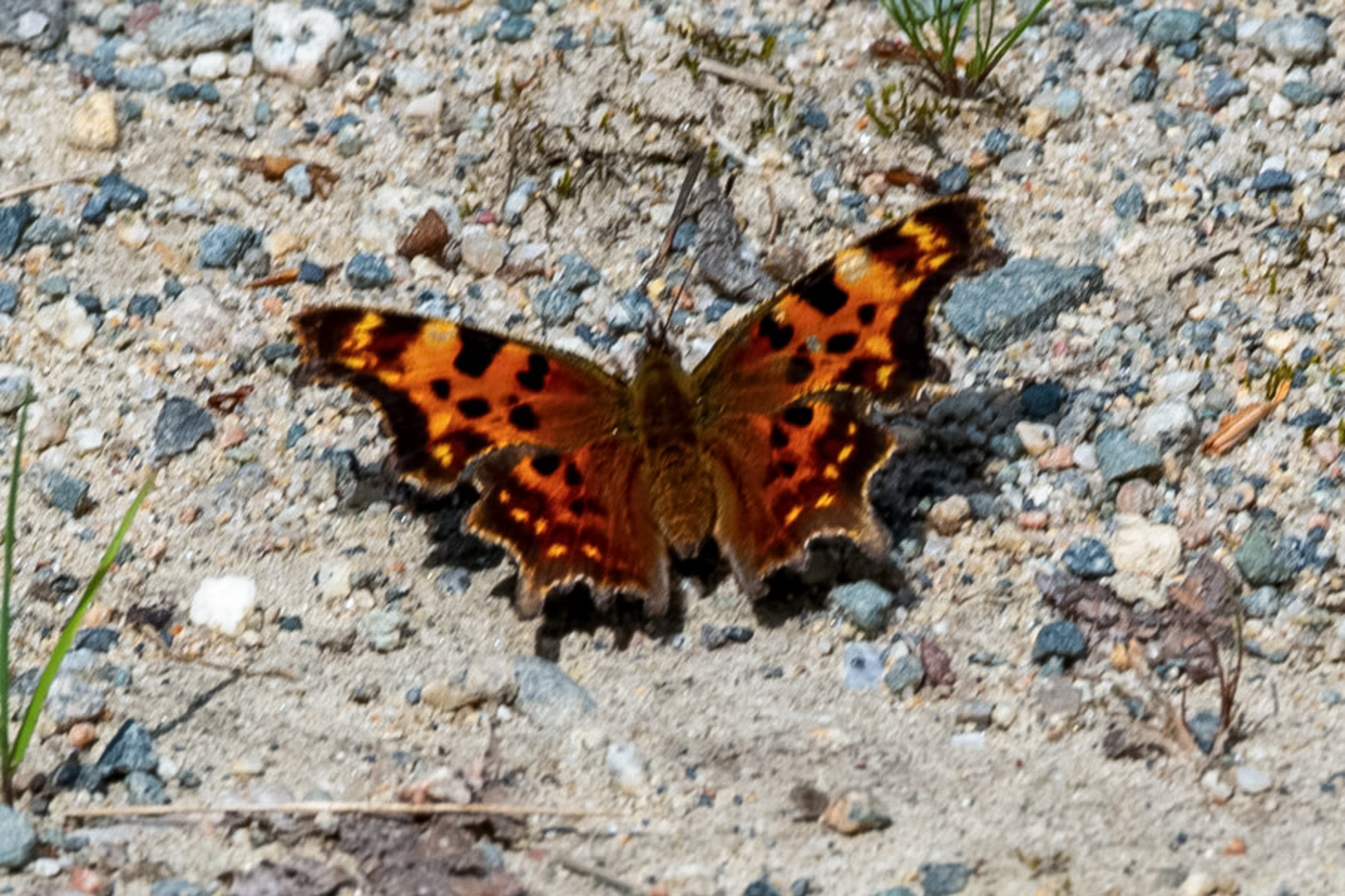
July 14th, now on Route 1011, which links the Translimit Road to Matagami. This is a fresh faunus.
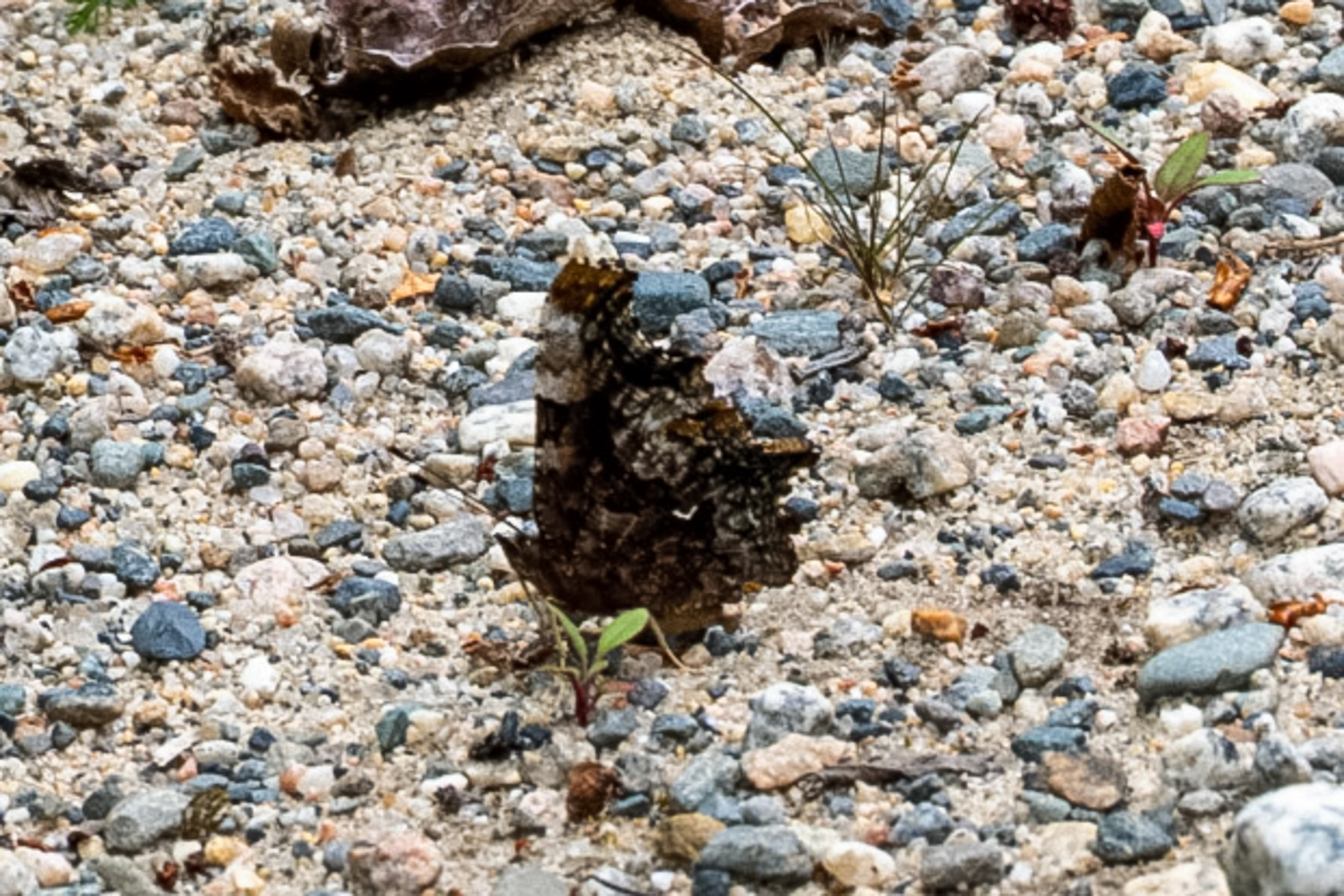
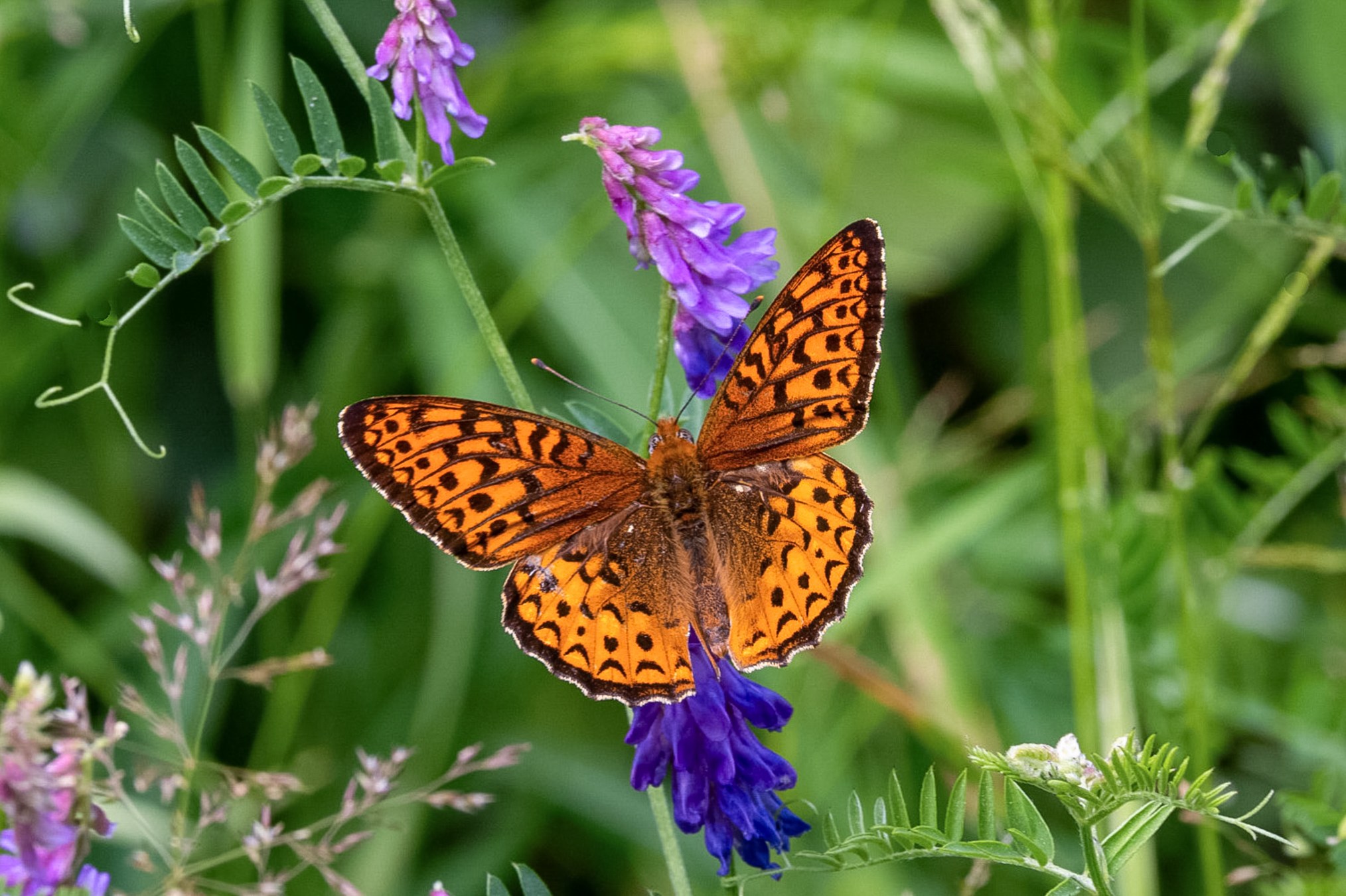
I found quite a few Argynnis along the western half of the road. Here is an A. atlantis.
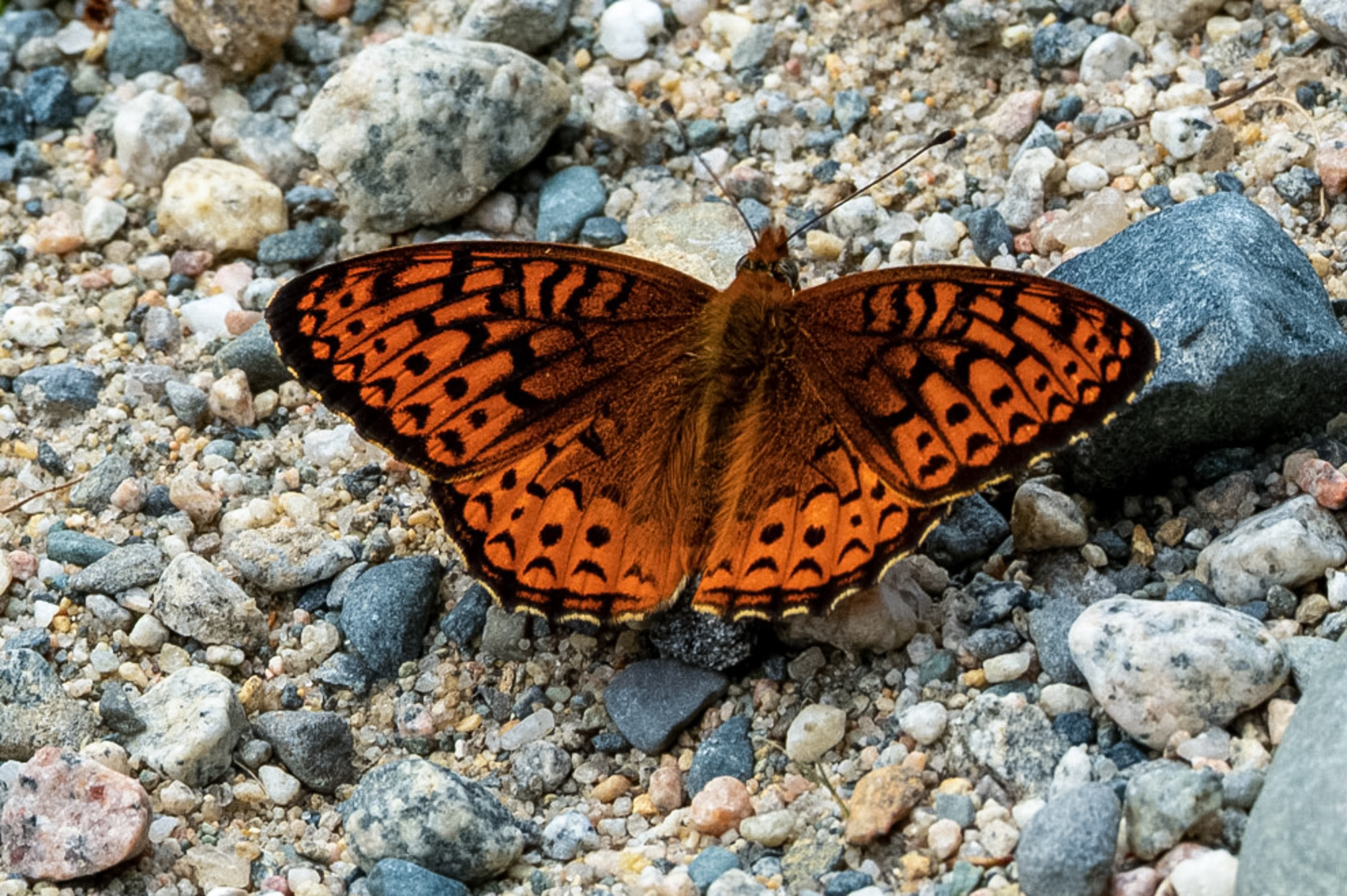
Another specimen.
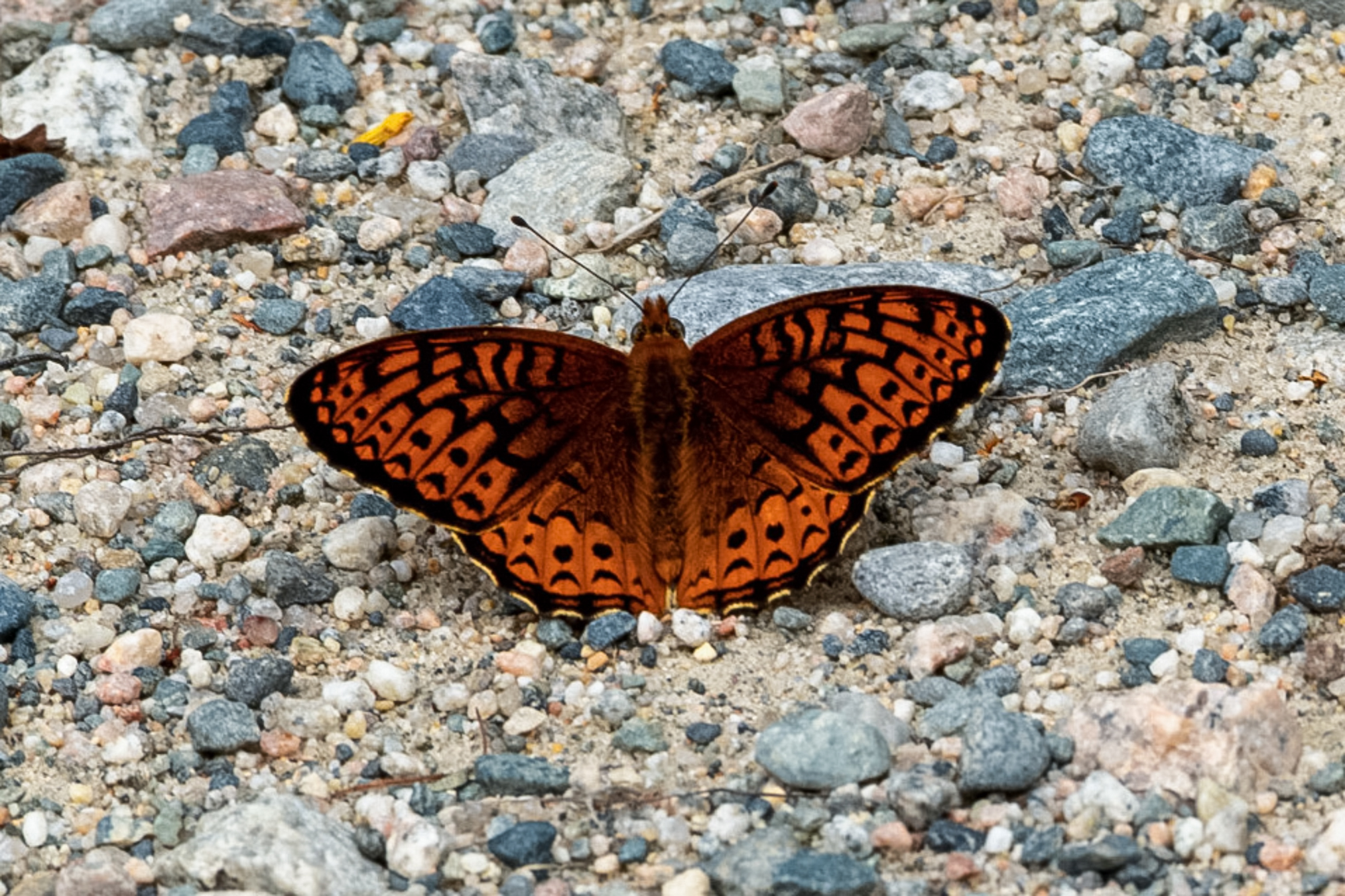
One more.
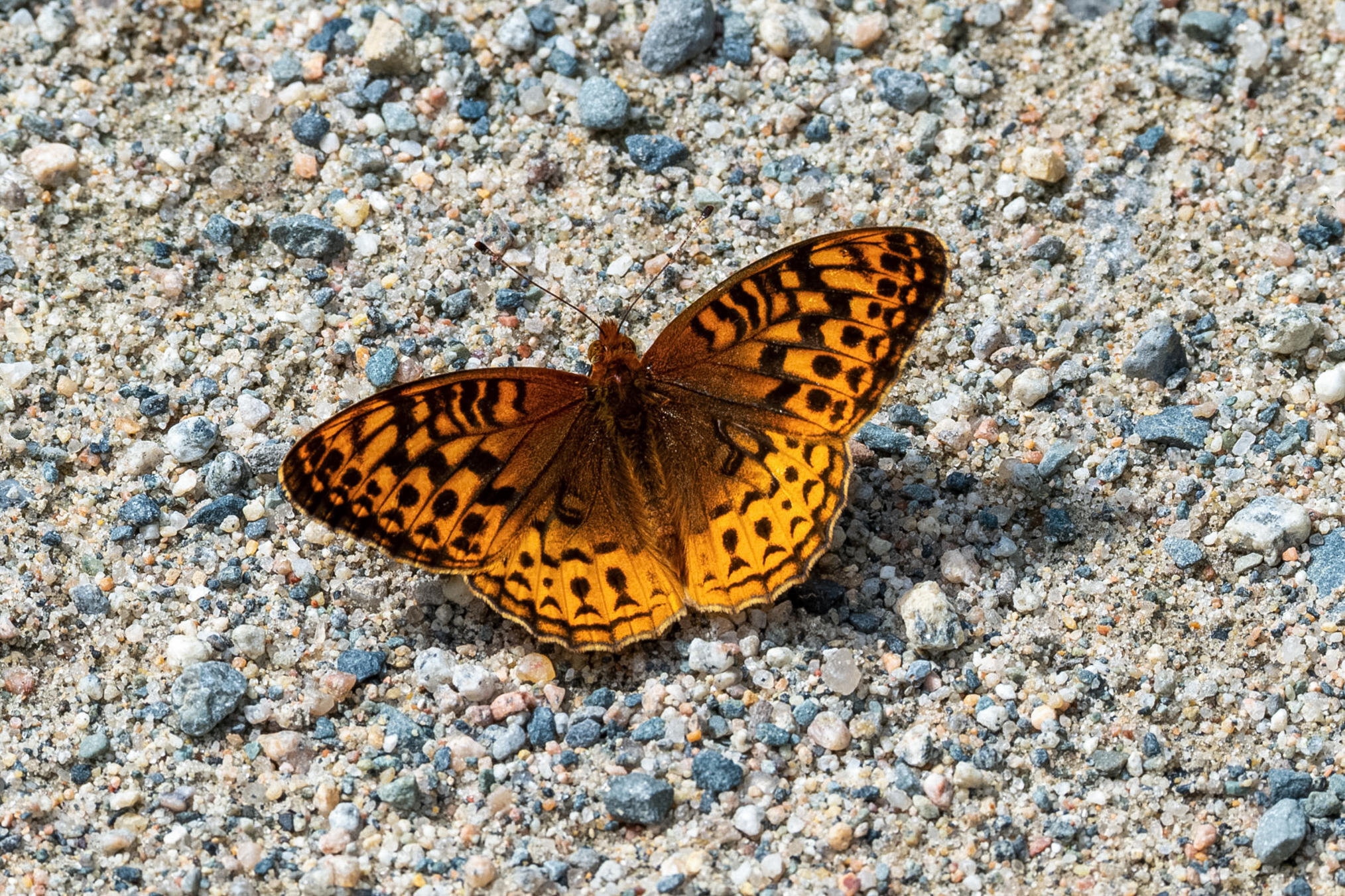
Another faunus.
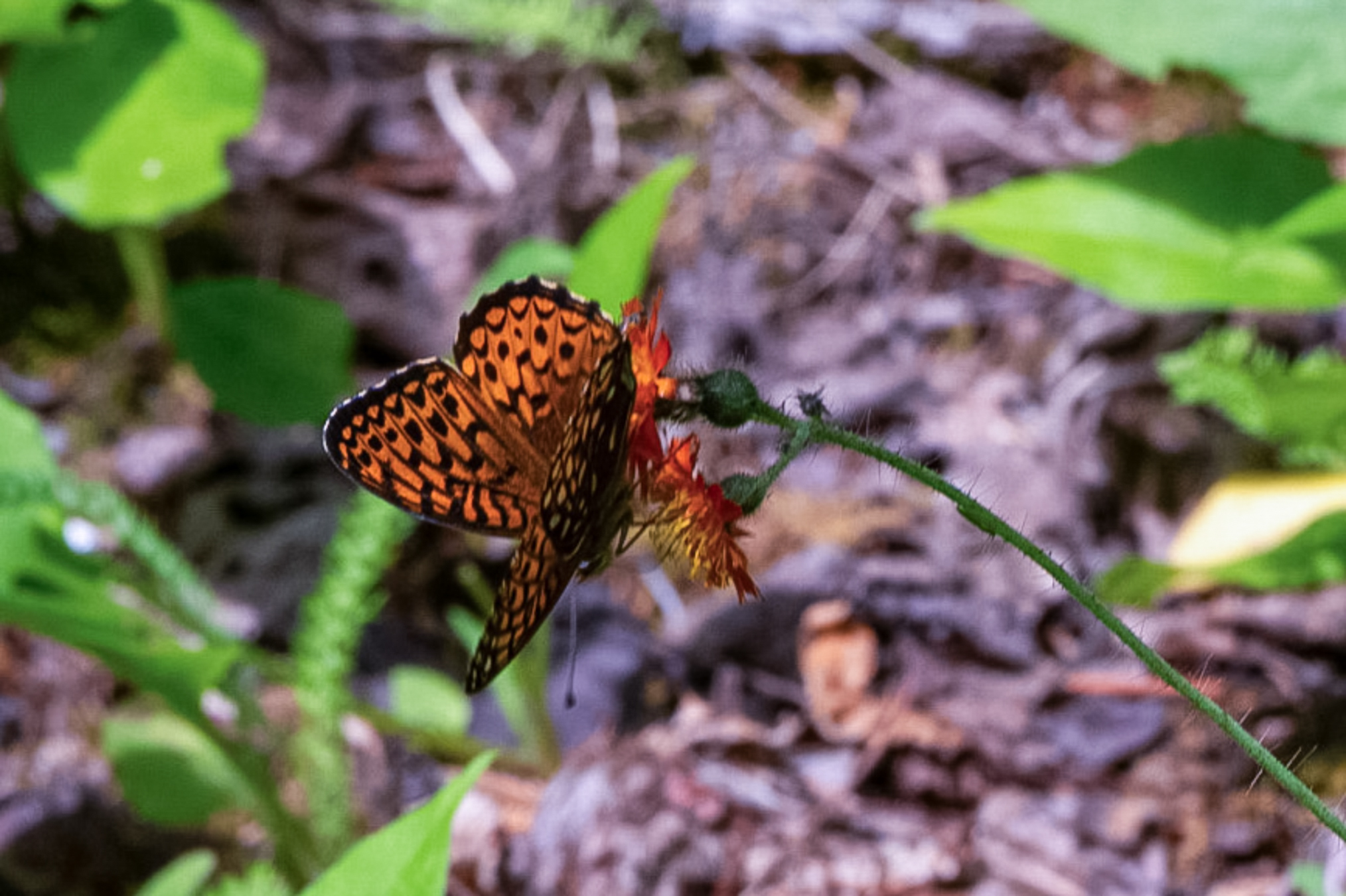
Another atlantis.
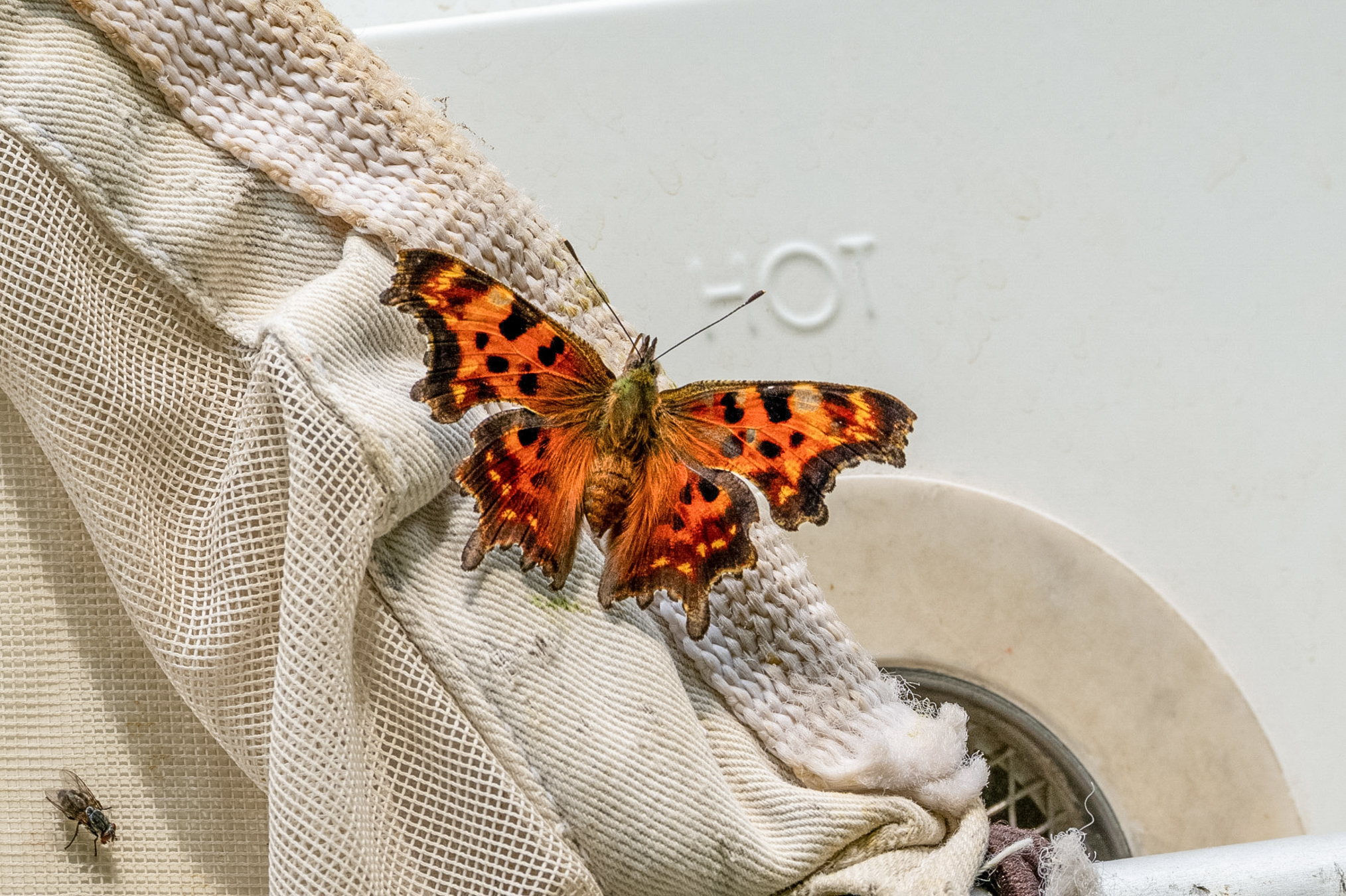
These love nets, lots of goodies for the.
And they love tires, too.
Ancyloxypha numitor.
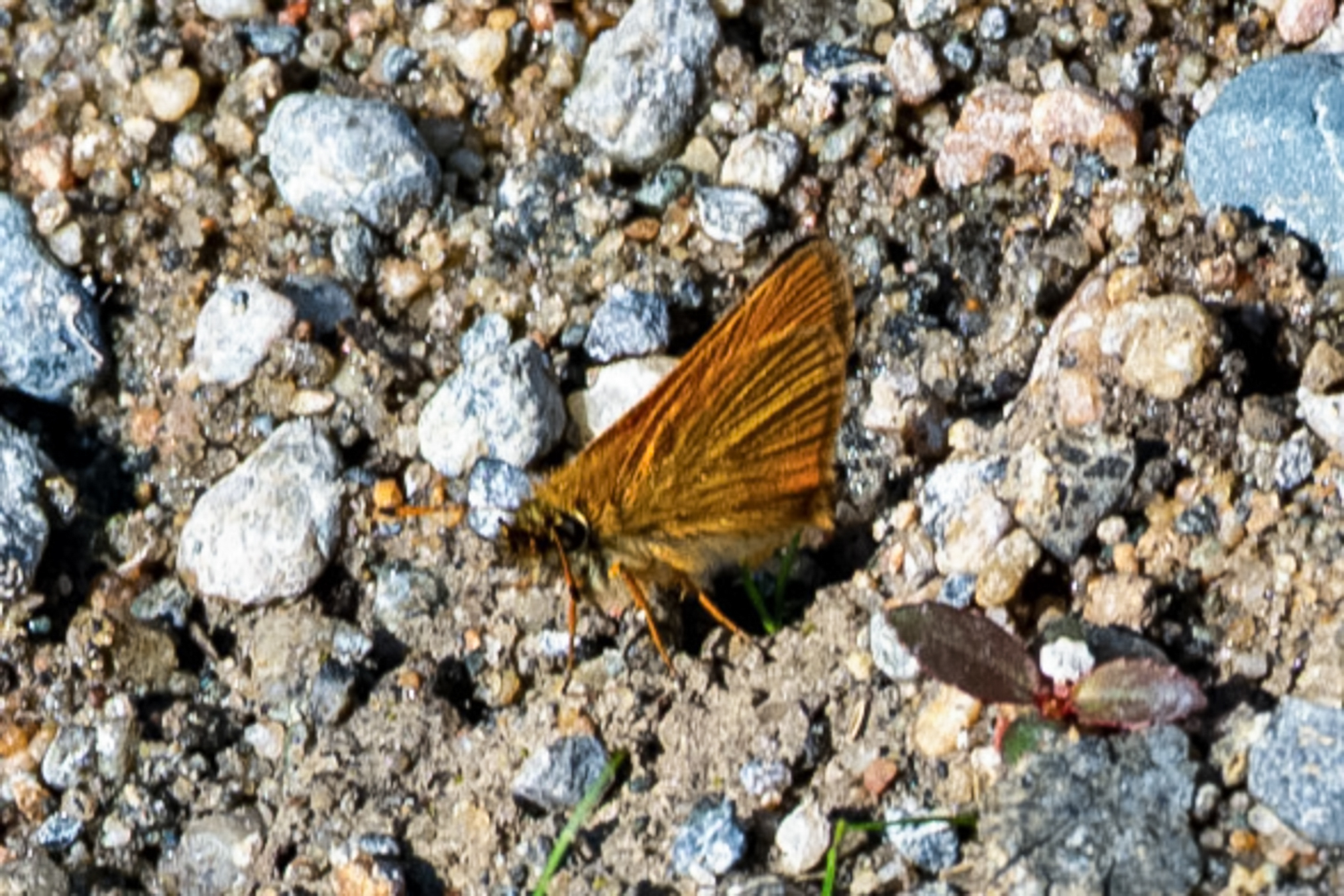
Another faunus.
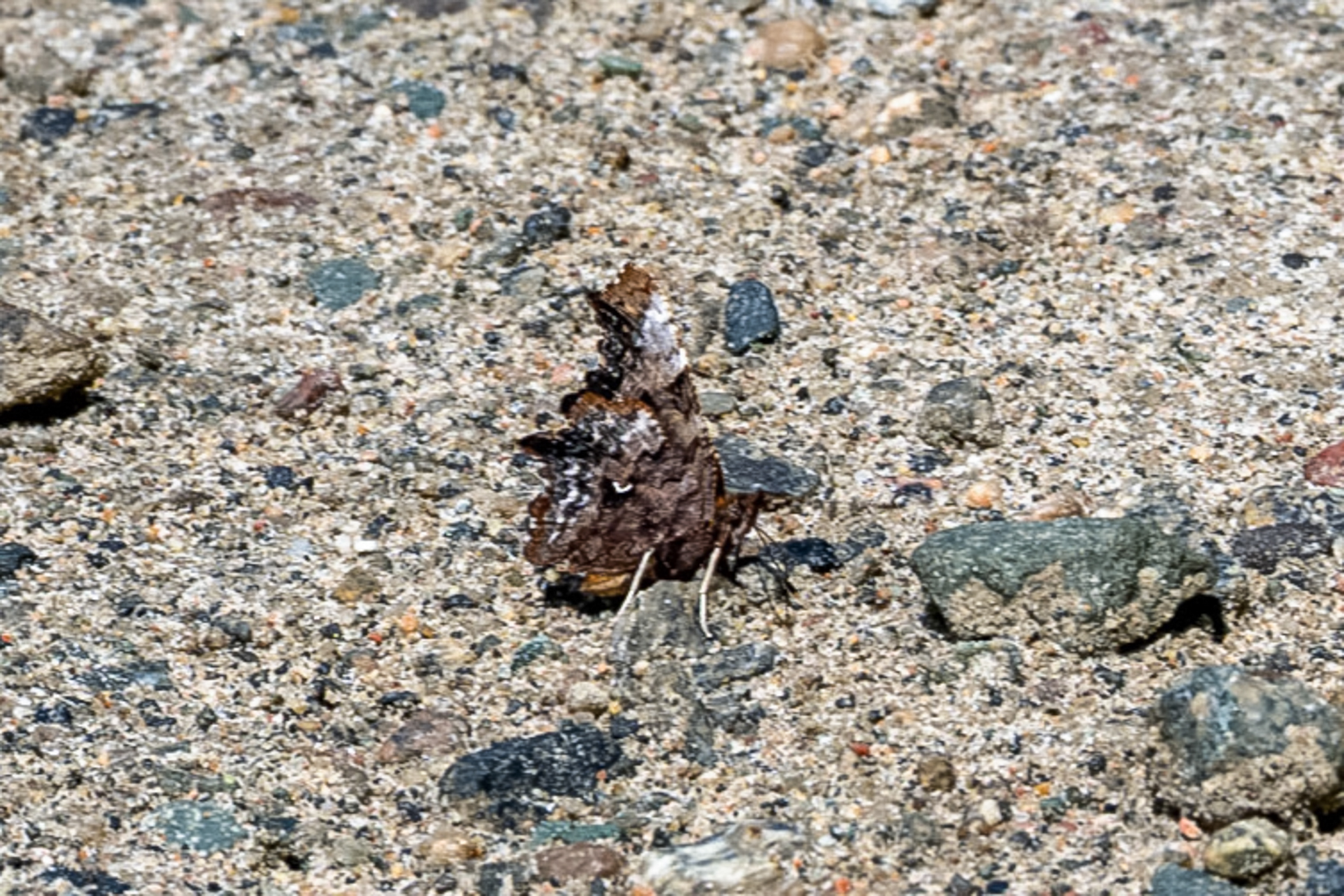
A C. imterior puddle party, still on Route 1011.
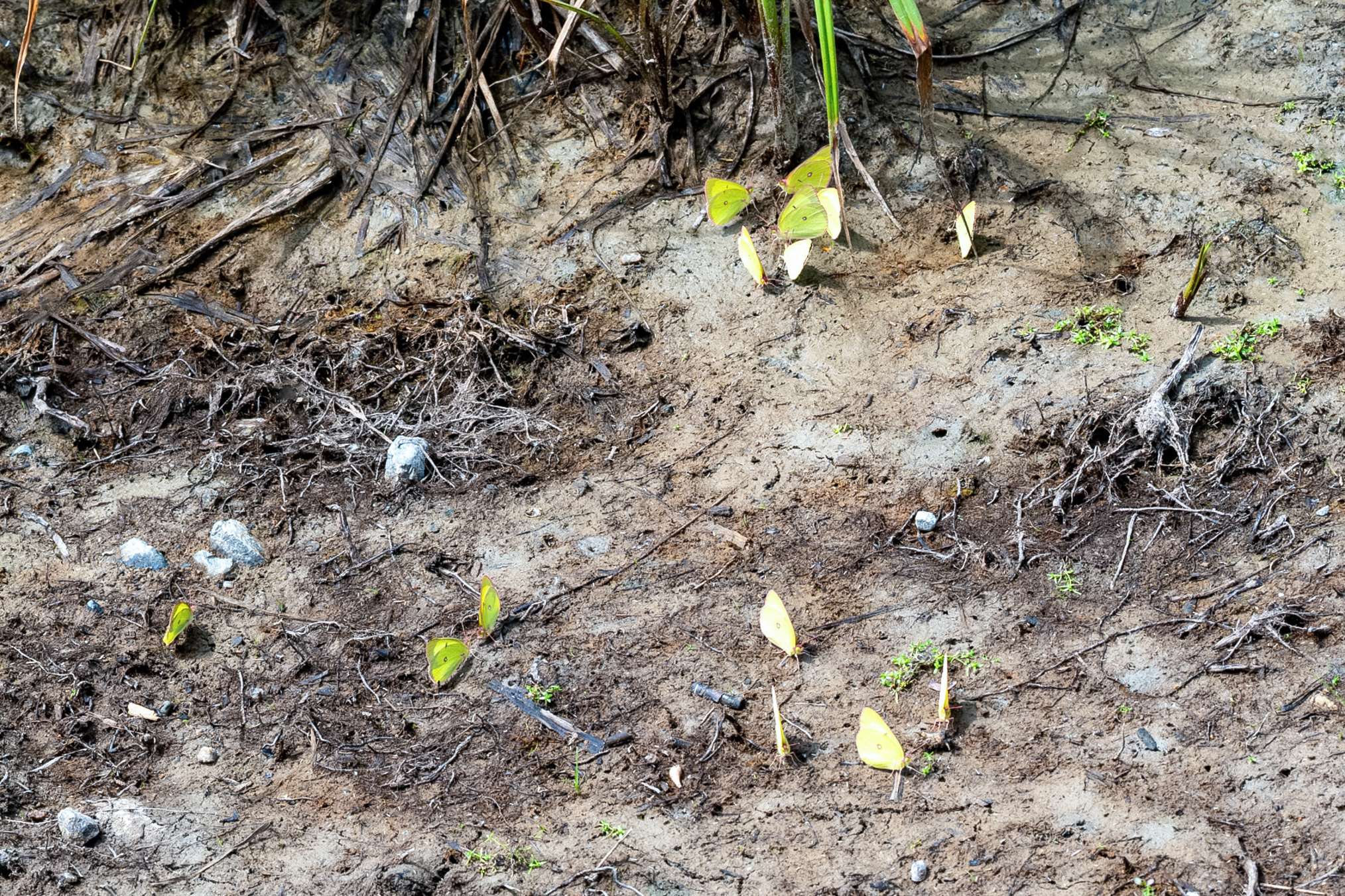
I found many A. cybele on the western half of the road. They don't make it further east. Photo is a little fuzzy, but this is the only photo that I managed for this species. I suspect that this population is distinct from ssp. krautwurmi, the nearest ssp.
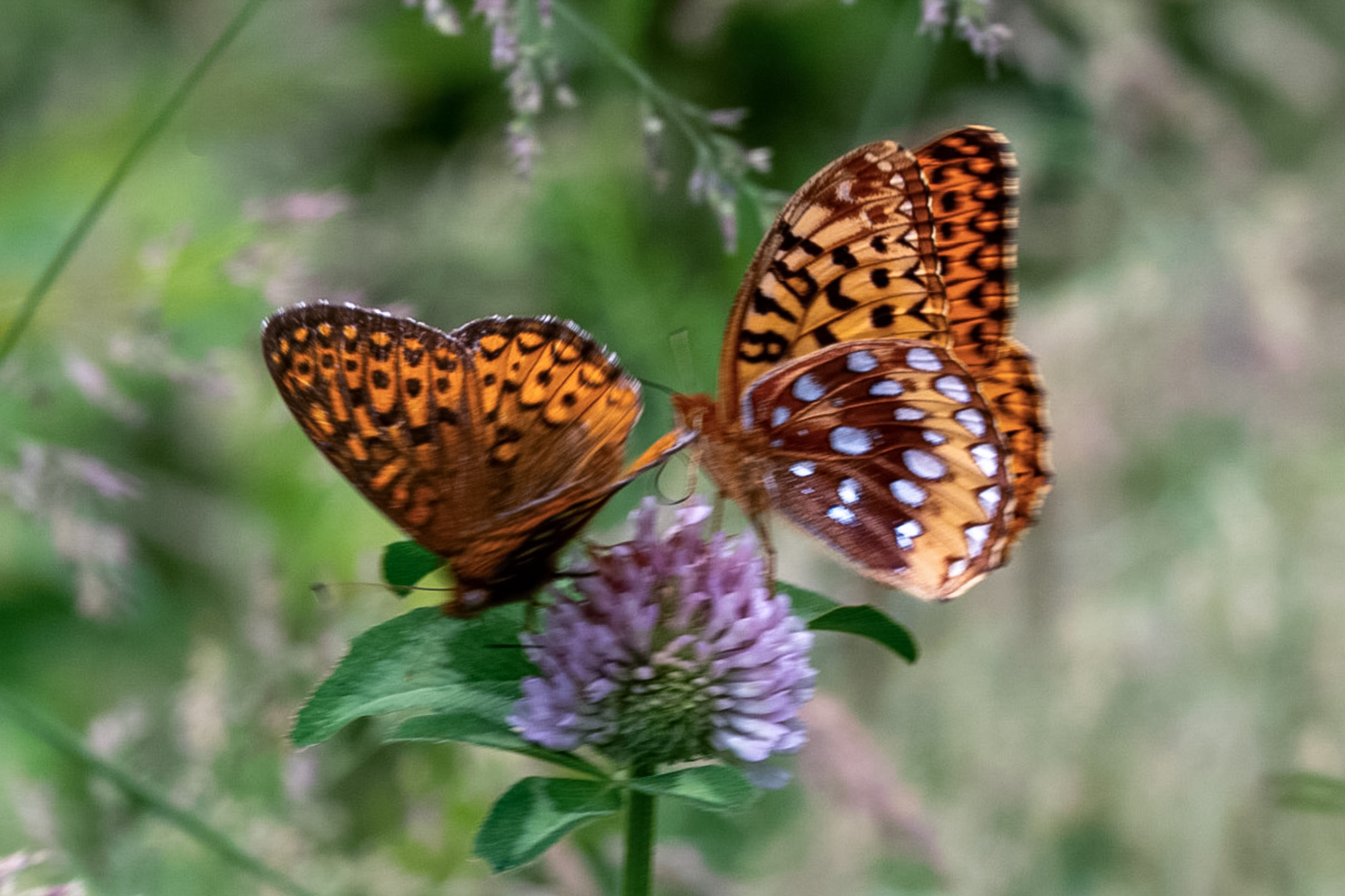
Another atlantis.
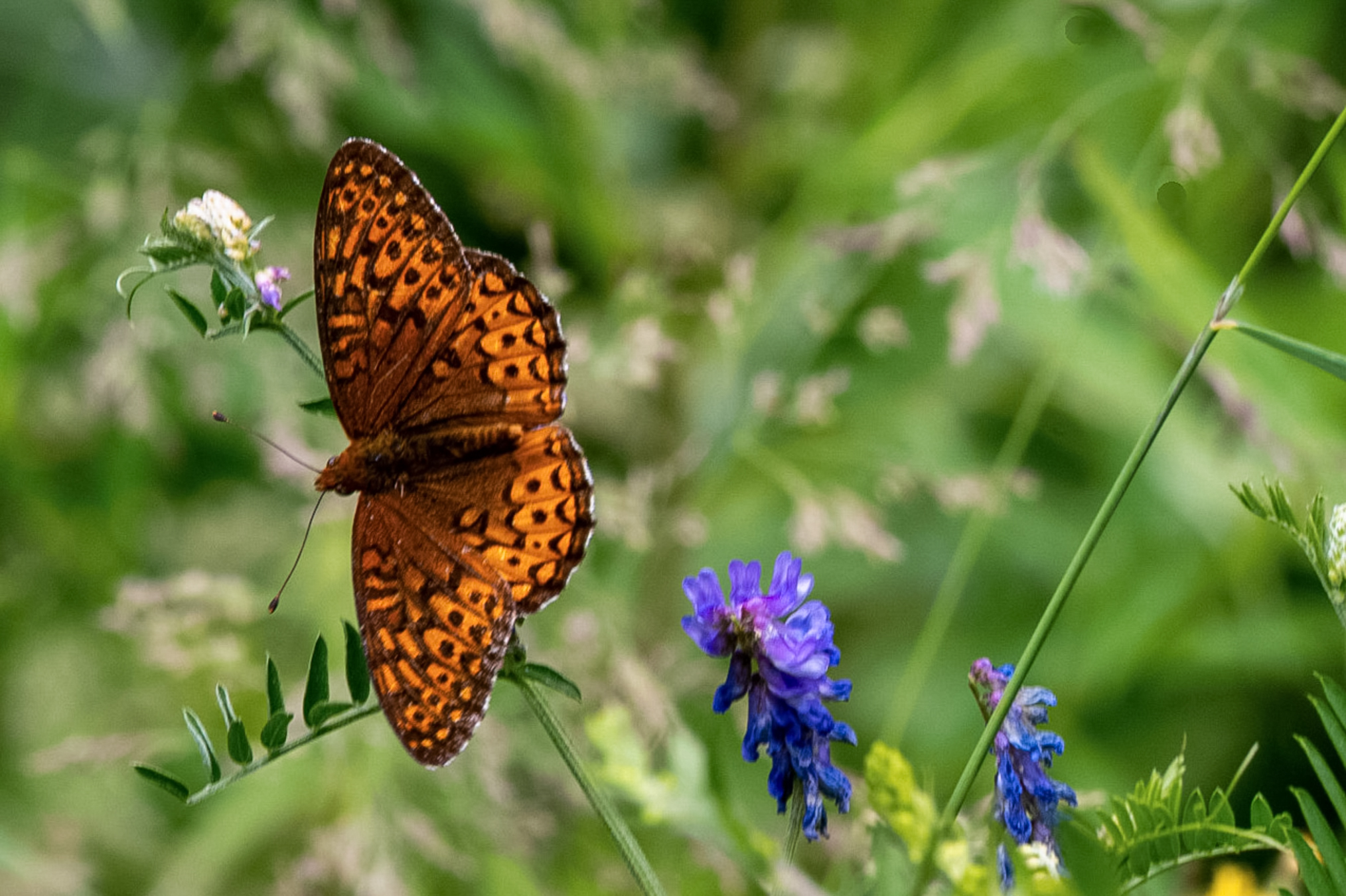
And another.
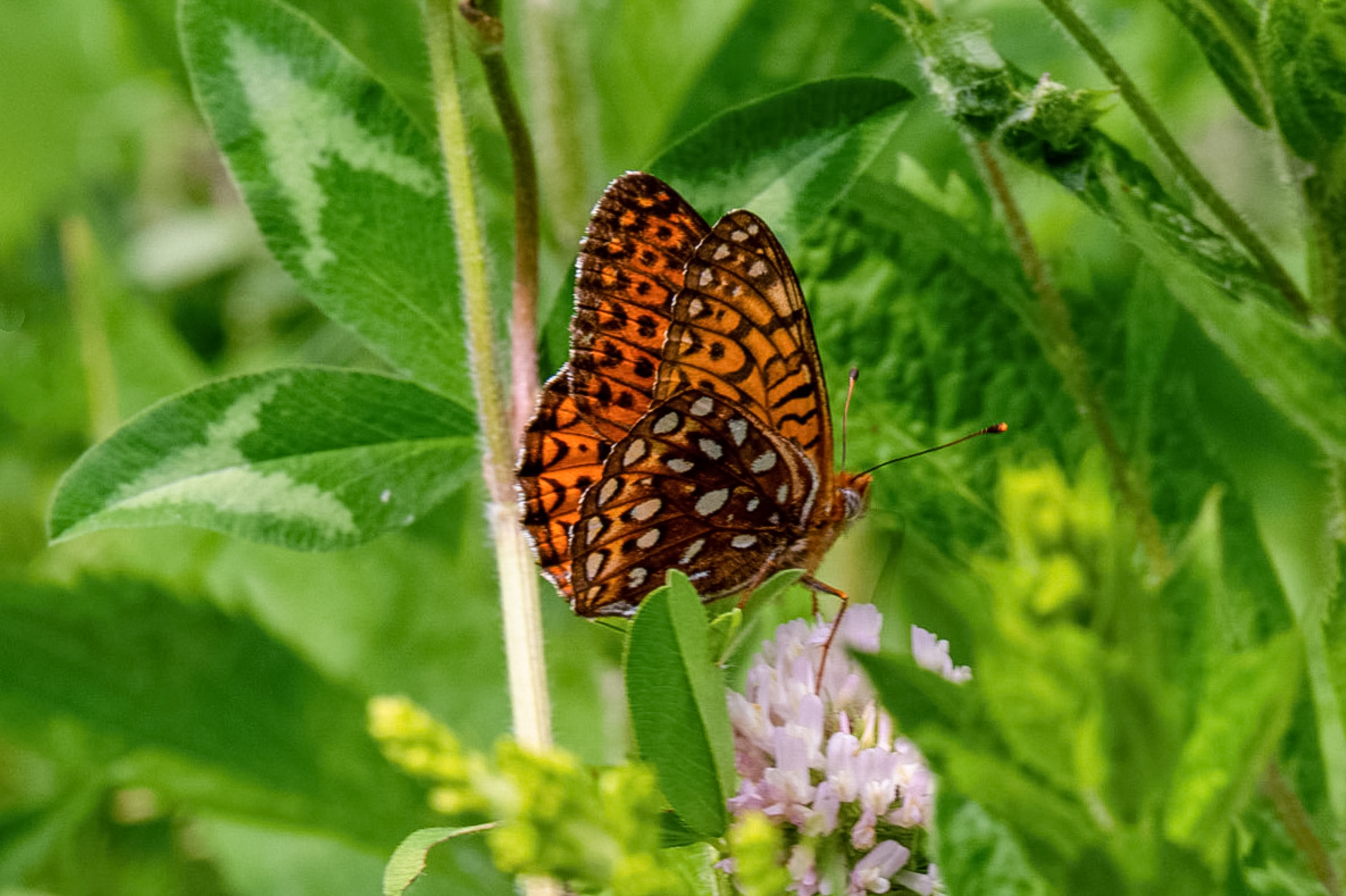
Another. Moving out of the range of cybele.
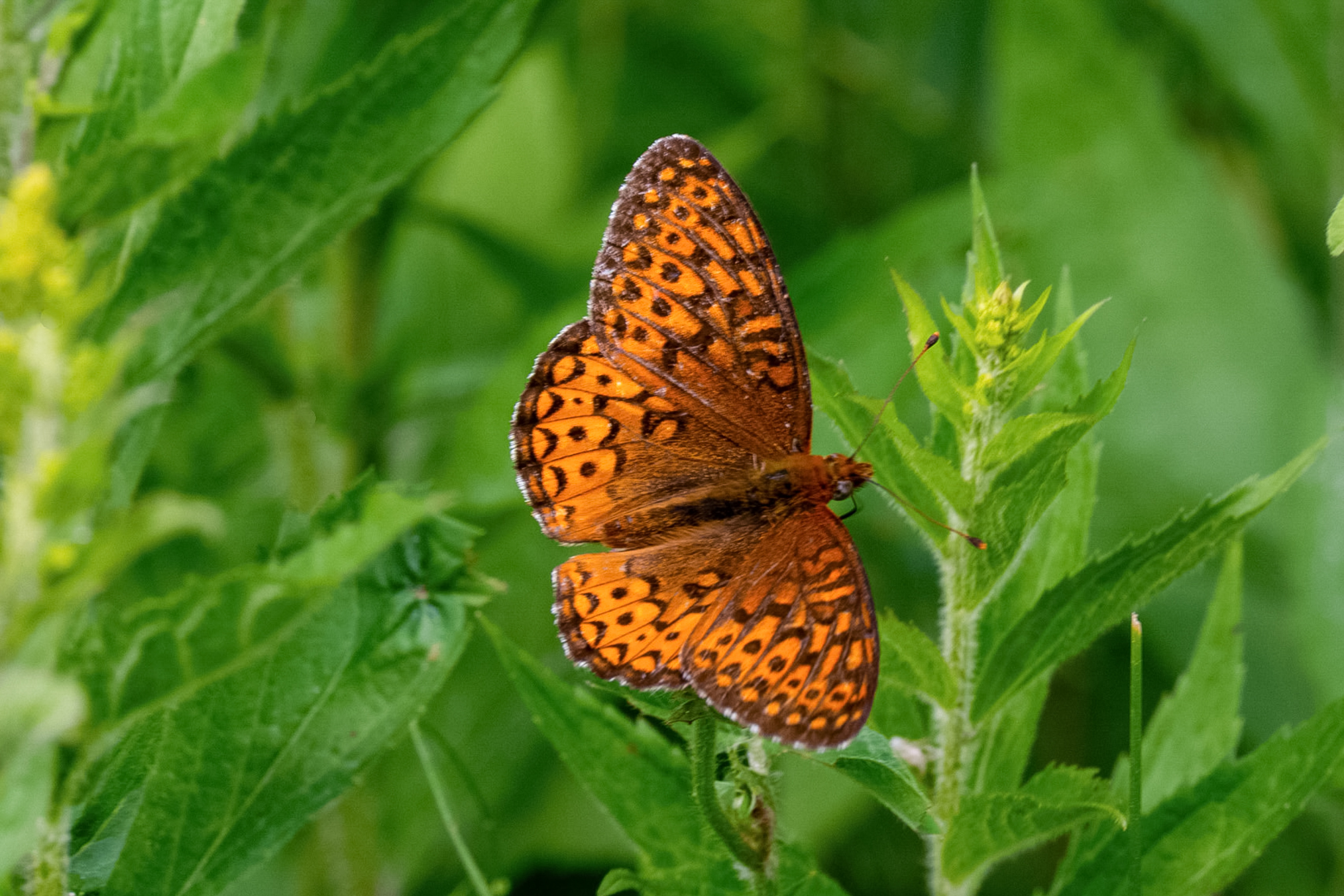
Several more.
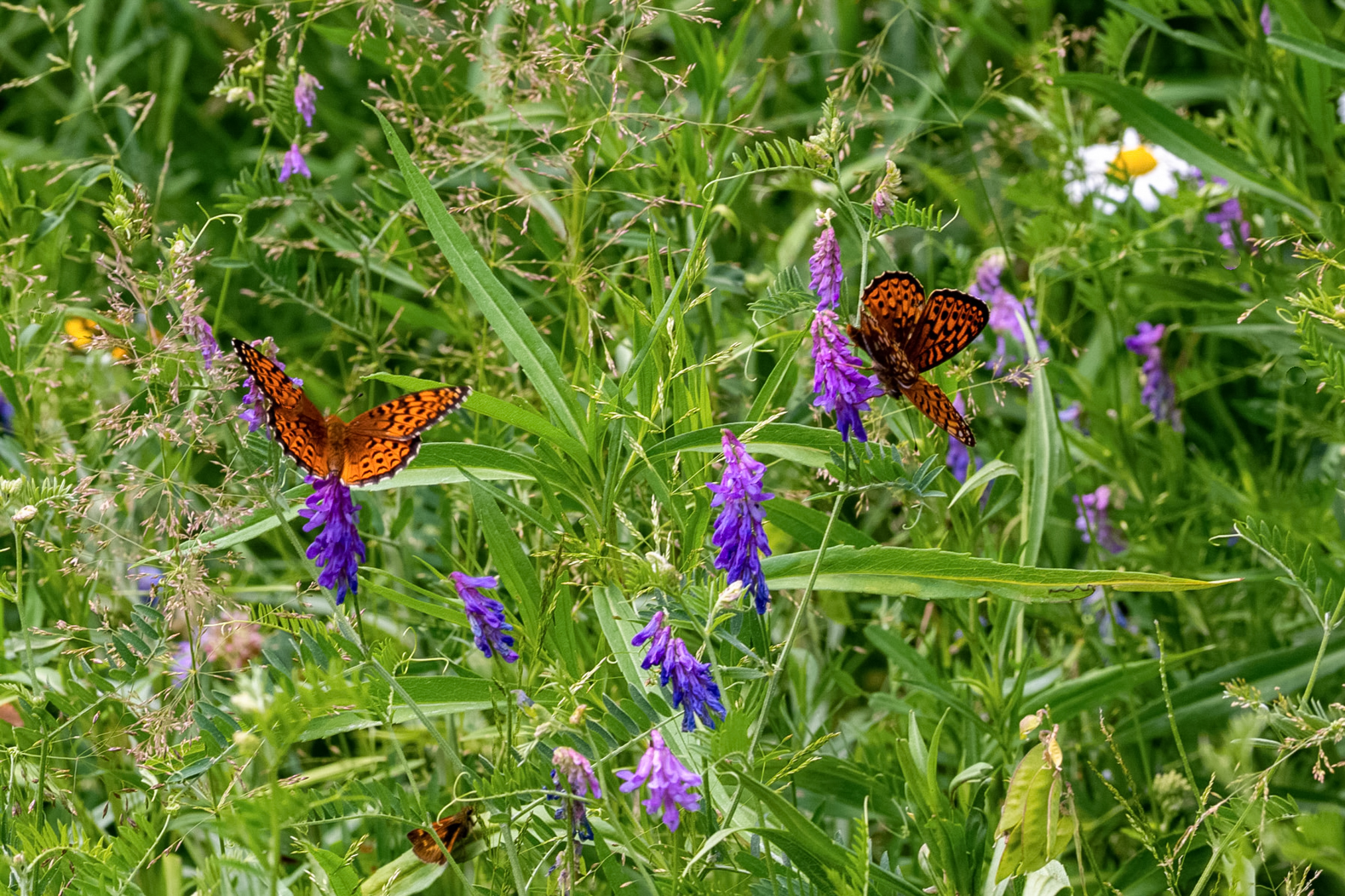
And two more.
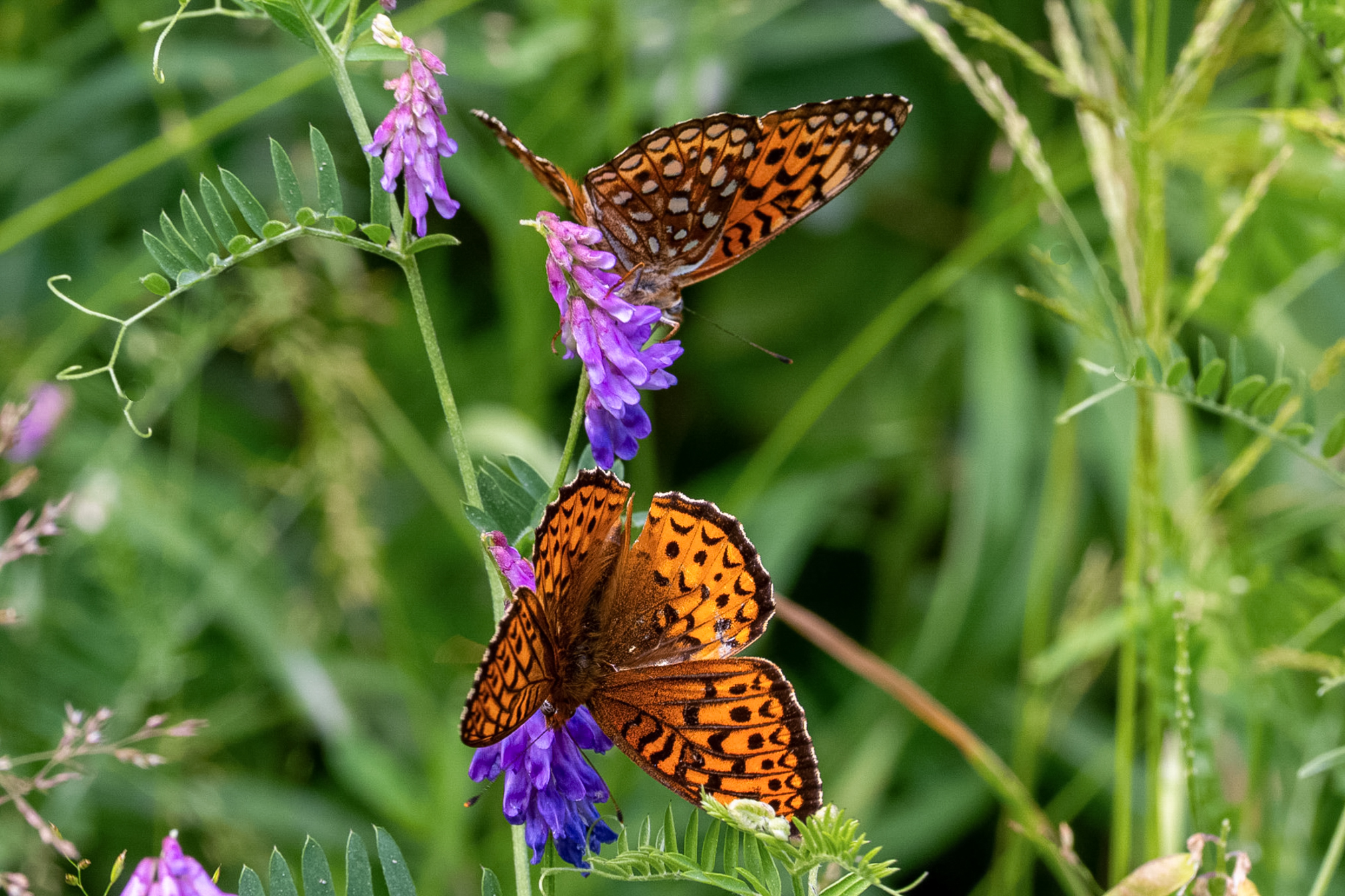
More.
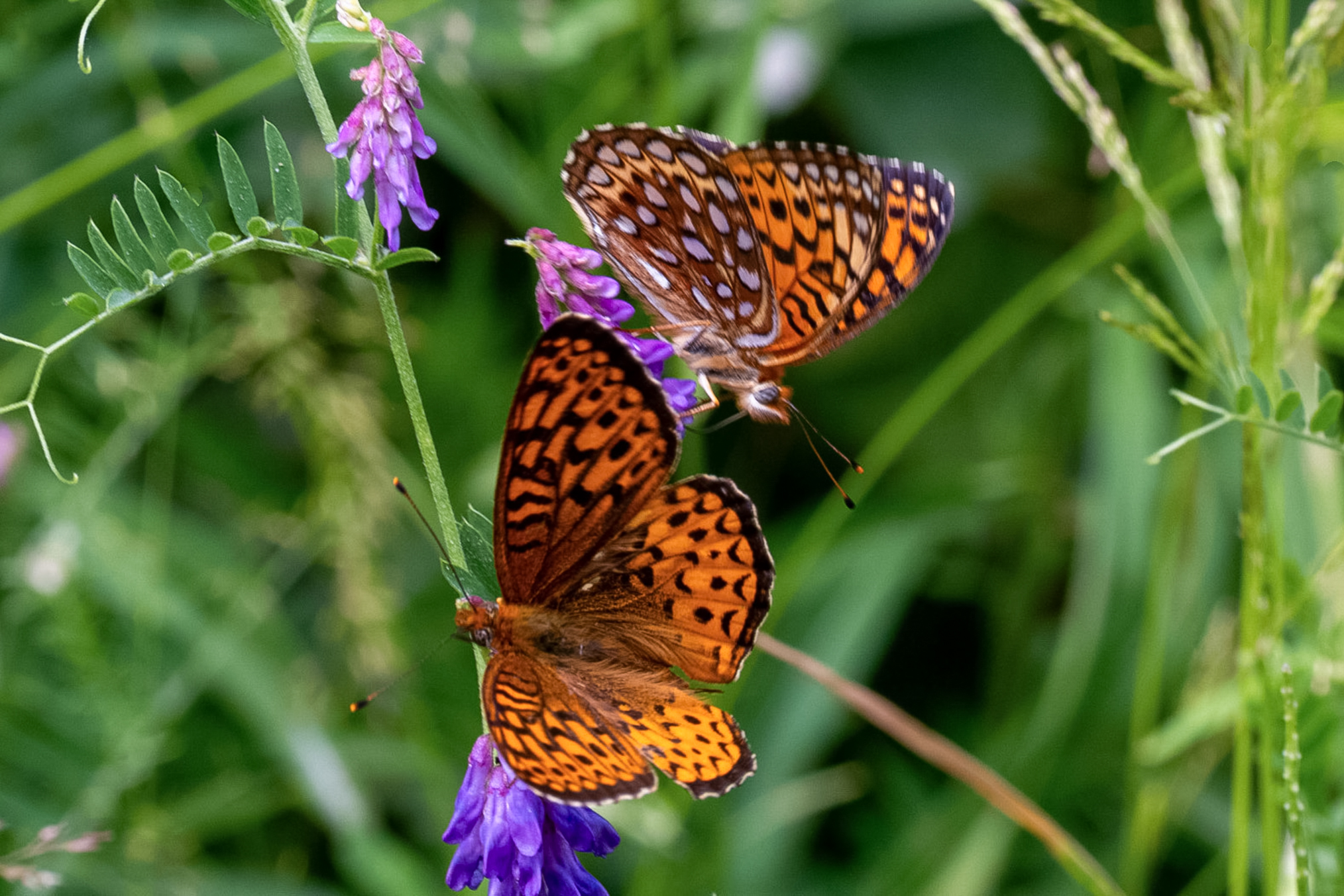
I had pretty much gotten what I needed for collecting, so I focused on photos at this point in the day.
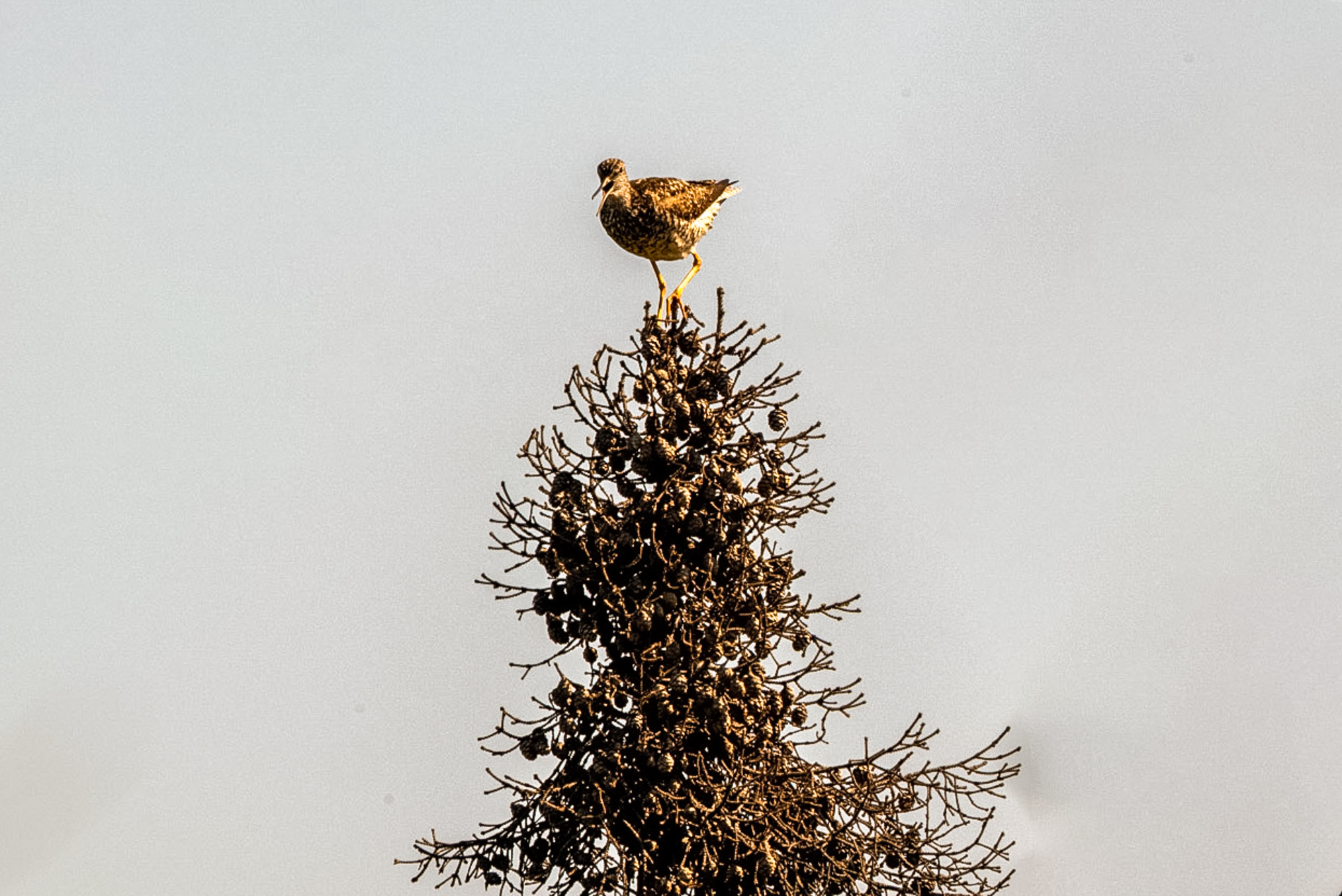
Now July 17, after a stop at the 381 km rest stop on the James Bay Highay the day before to do laundry. While driving the remote eastern stretches of the Trans-Taiga Highway, I spotted this Lesser Yellowlegs behaving less like a wading shorebird and more like a songbird. During the breeding season in the far northern subarctic taiga, these birds use the highest tips of black spruce trees as lookout posts to spot incoming danger and loudly scold any intruders crossing into their nesting territories. They are really annoying! BTW, go to my homepage and view the 2018 ands 2025 Trans Taiga Trip pages for more details of this road, as I did not give as much background on this year's page, especially concerning the dams.
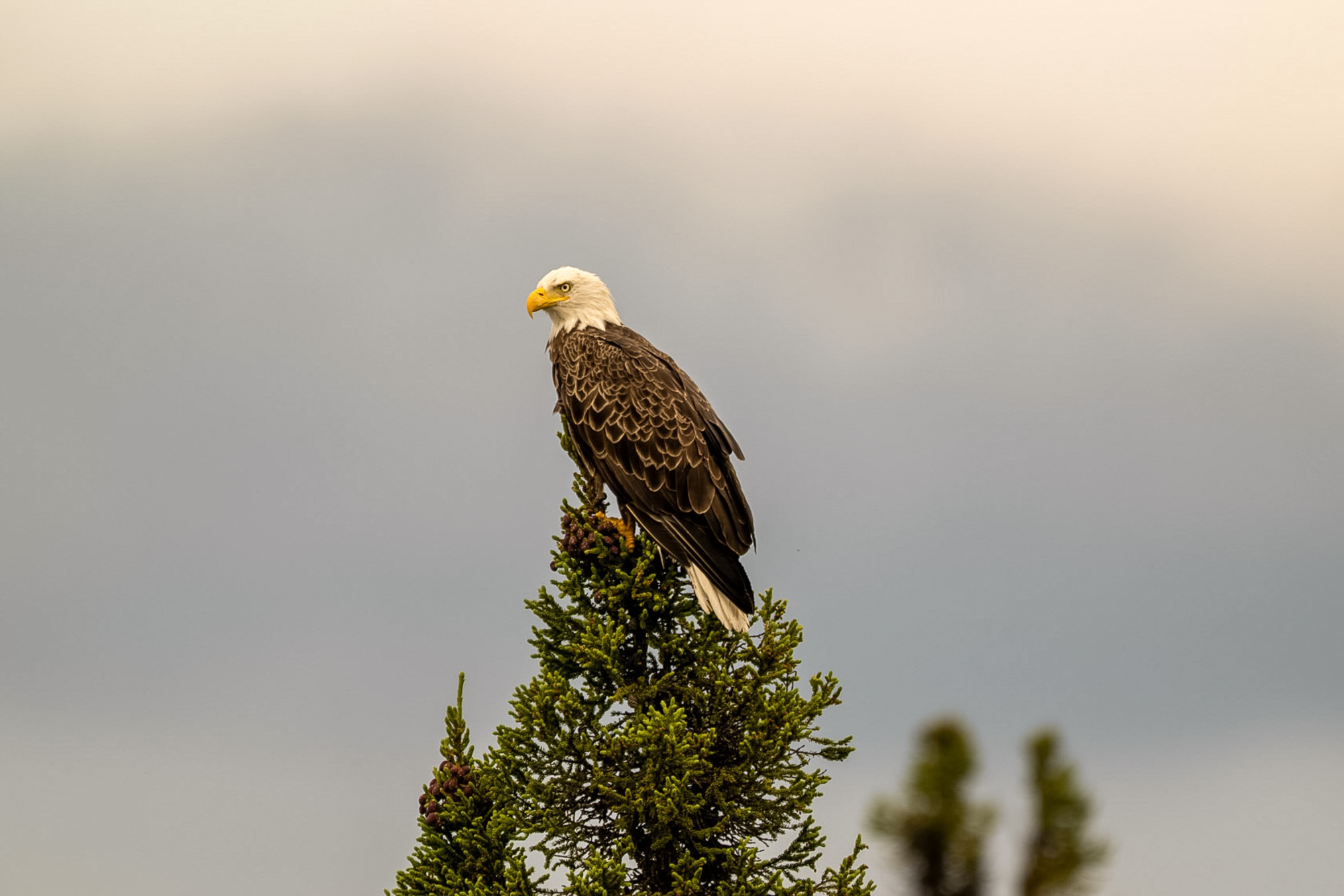
A Bald Eagle, seen a little further down the road.
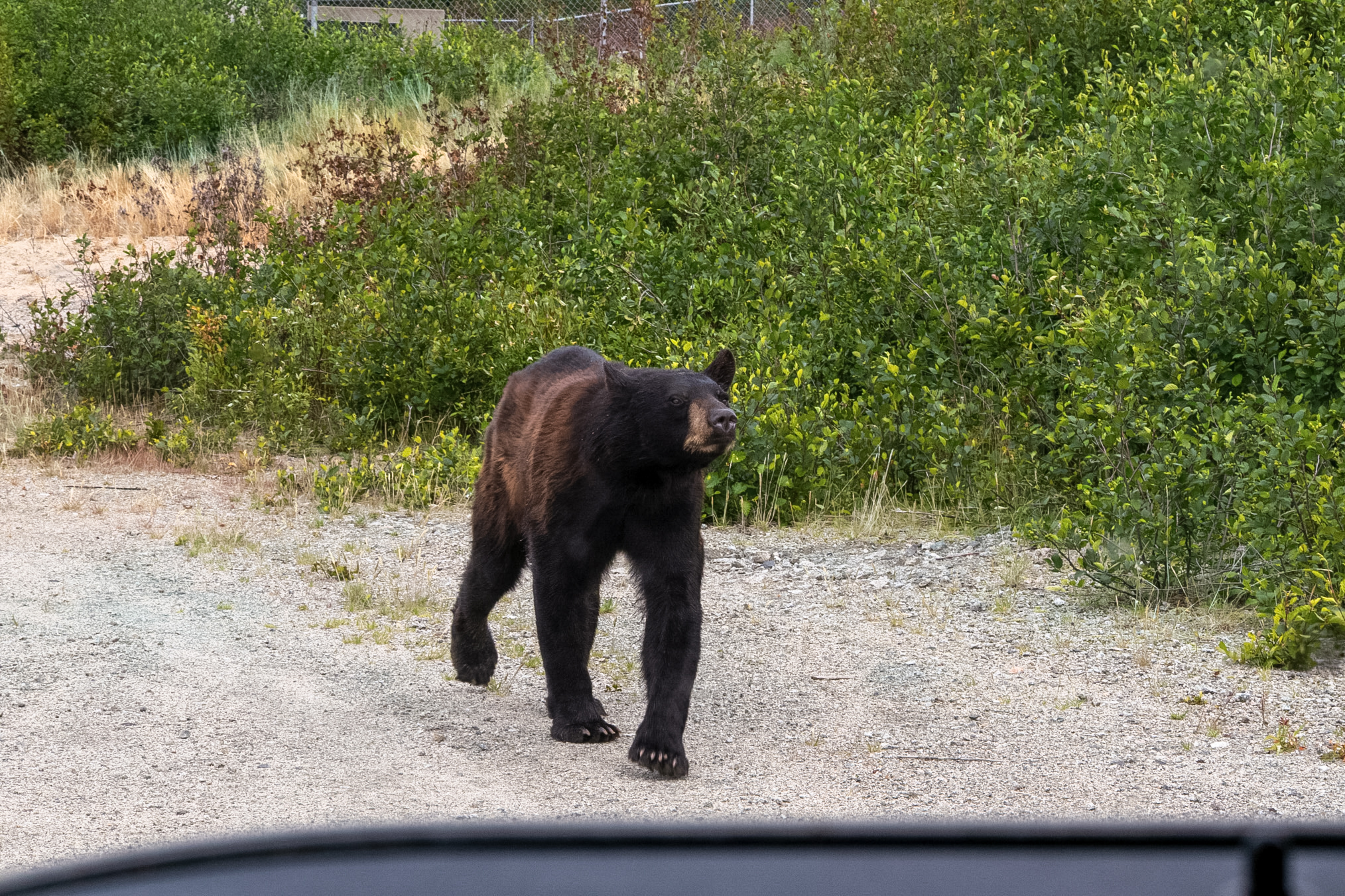
I fished for a few days at the 62 km campground, catching a few northern. I then made it to Brisay, about 580 km down the road, and parked for the night just past the road over the dam. Early July 21st, this young bear came by, one of only four I saw on the trip.
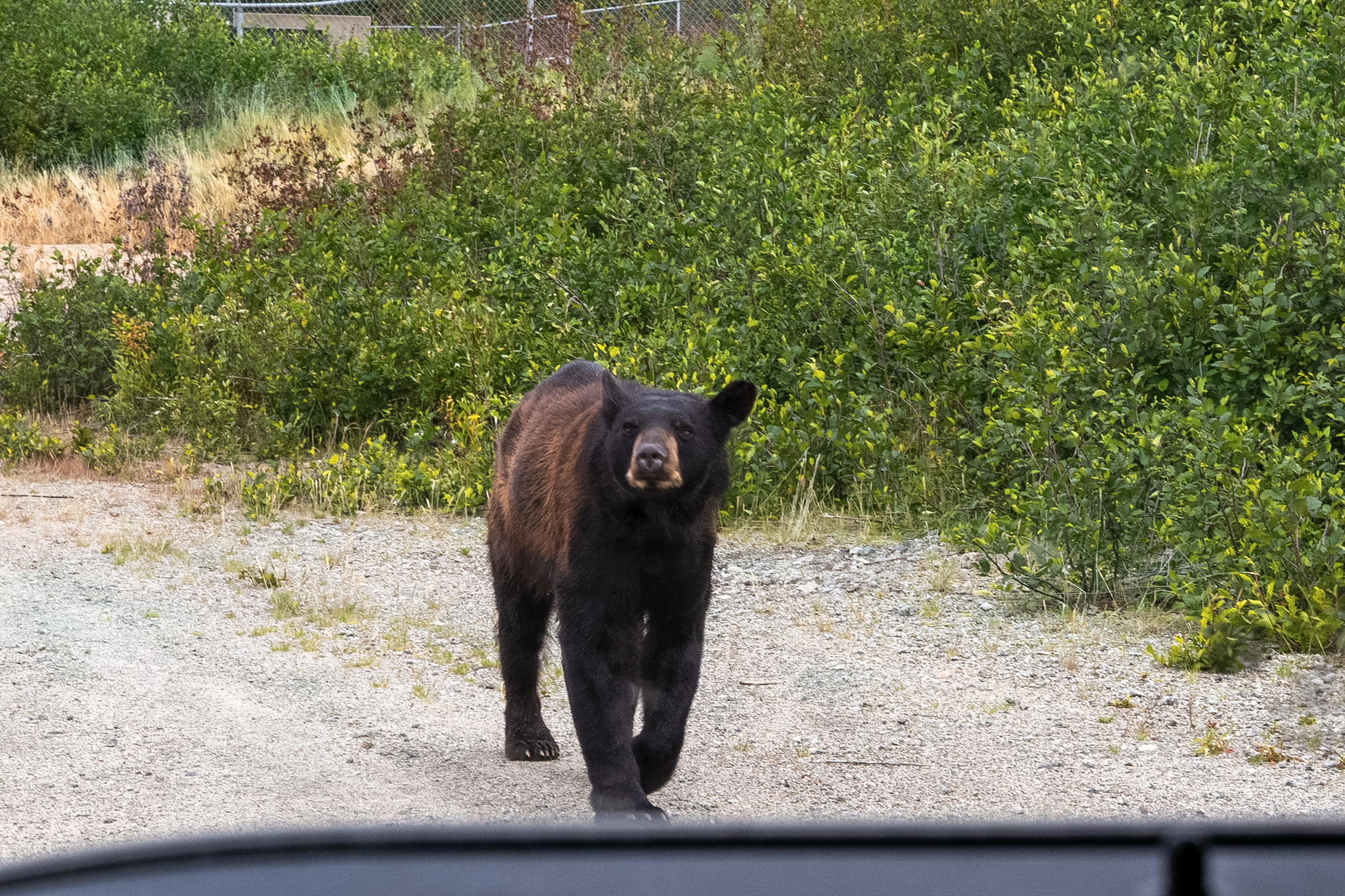
Gave me a glance and quickly disappeared.
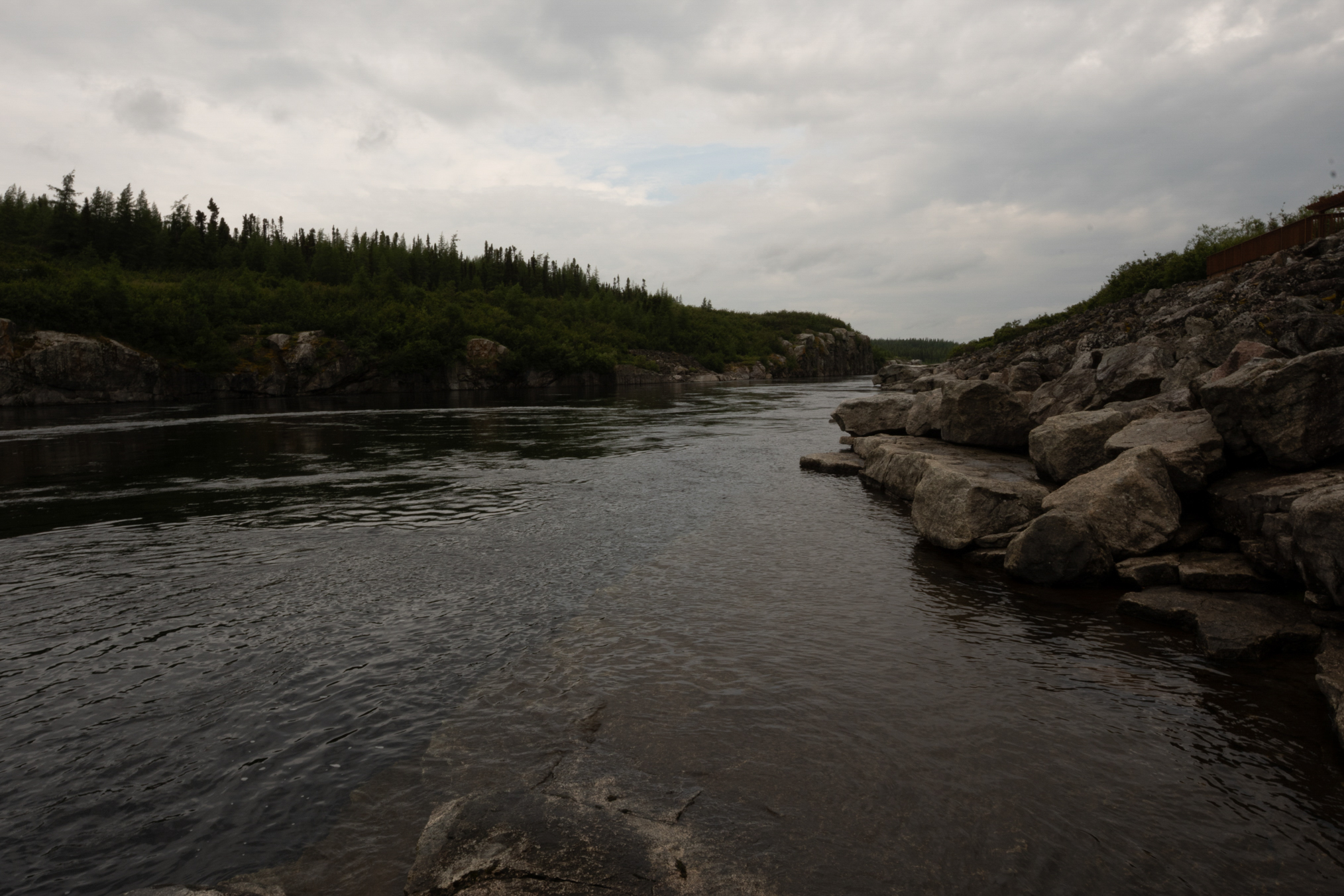
These next two photos show my fishing spot, just across from the dam outlet. Was a bit tricky, as I had rubber boots, and with all the rain the rocks were very slippery. But when it rains, this spot is great for Lake Trout!
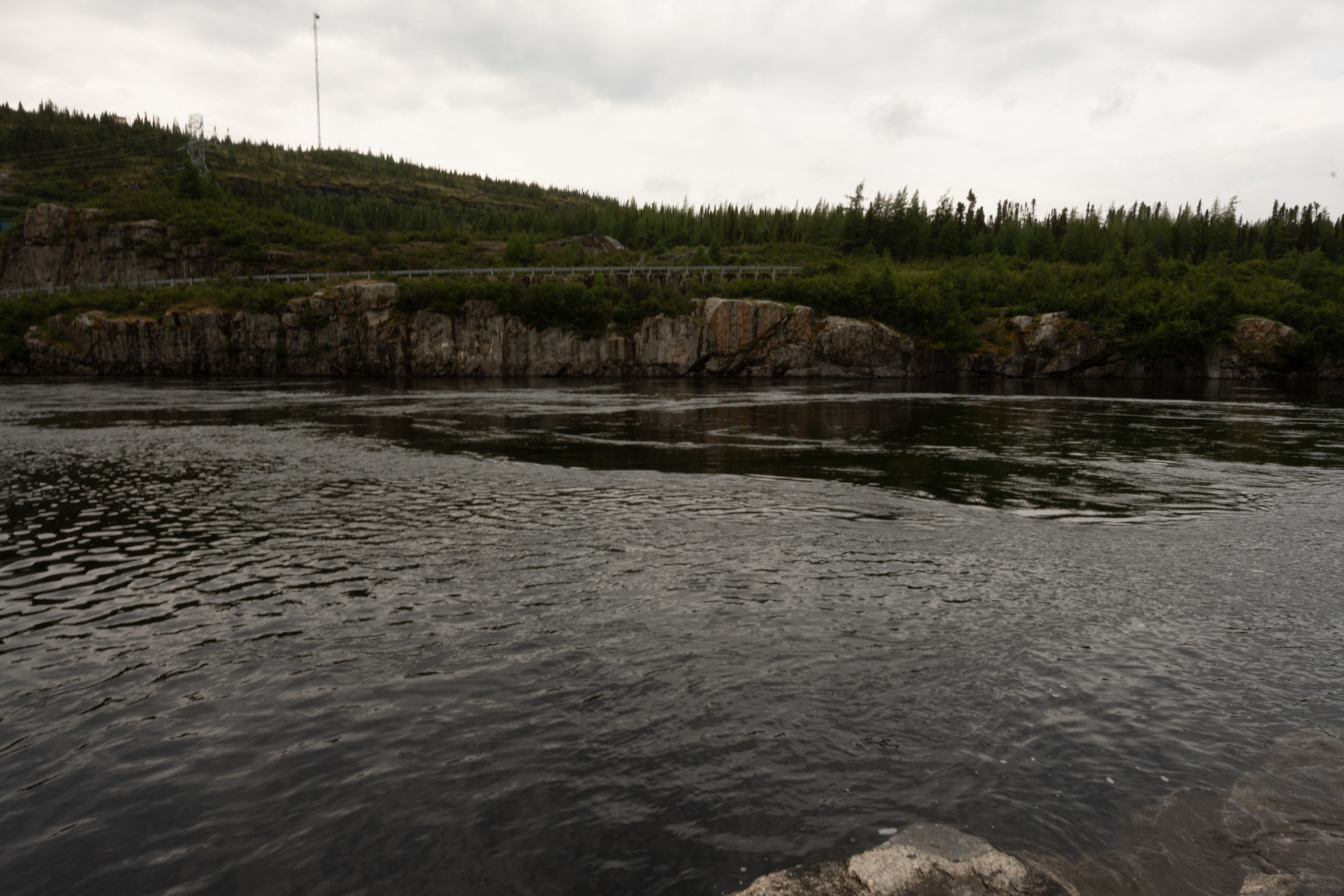
This shows the point where I scramble down the rocks, the offset boulder on the right side. I start to head up at that point. The rock right in front of me is covered with a few inches of water, and then goes dry. Here is where I landed the fish. I tended to catch them further up the channel, but over a steep drop on the shore to the water. I would hook a fish, walk it down the rocks to this point, holding the pole with my left hand to keep the line from getting cut on the rocks, and carefully watching my steps. I used 6 lb test the first day, but lost several fish and lures, so I switched to 20 lb test.
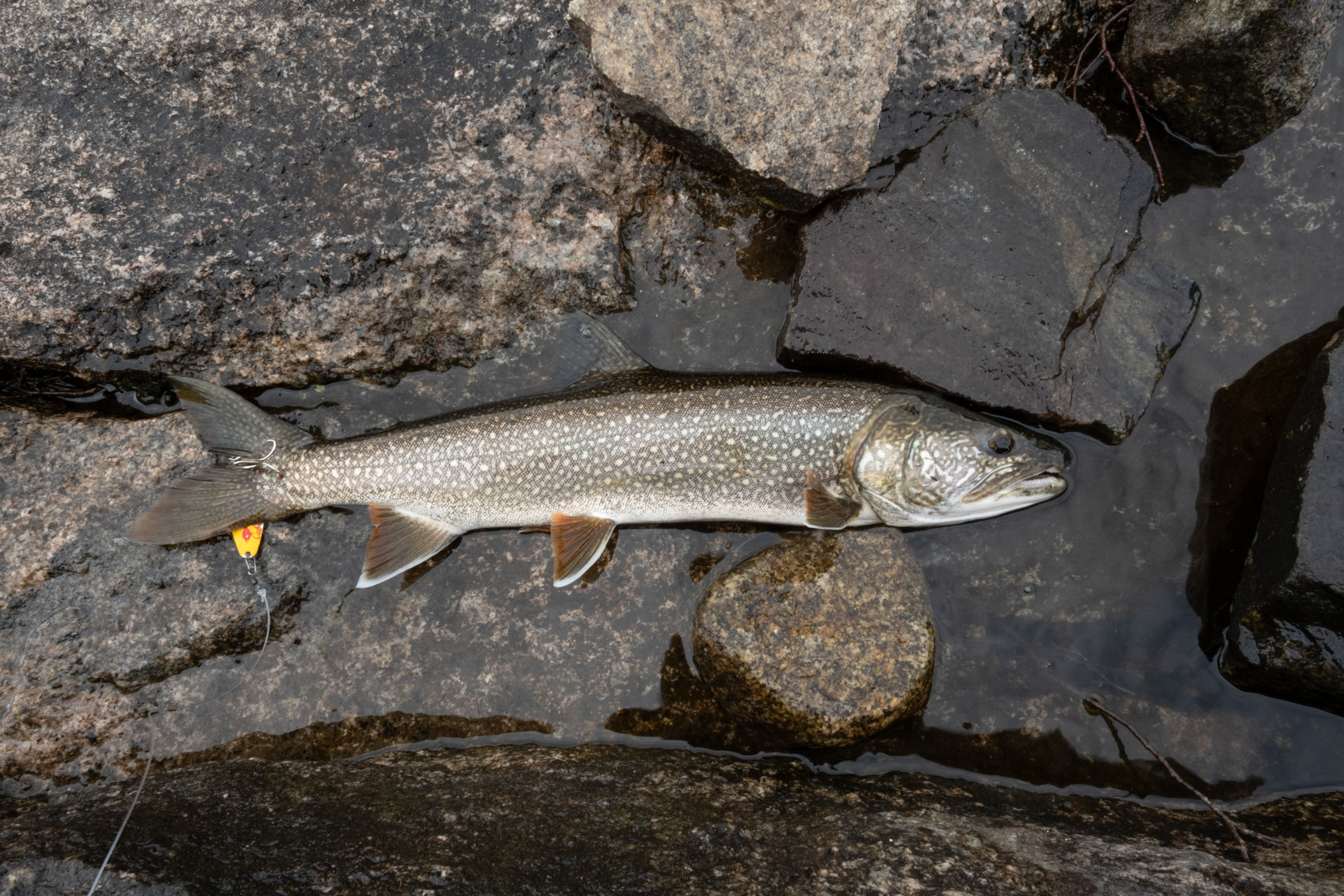
I photographed most fish. I used a Five of Diamonds lure, seen near the tail. BTW, I did not tail hook the fish.
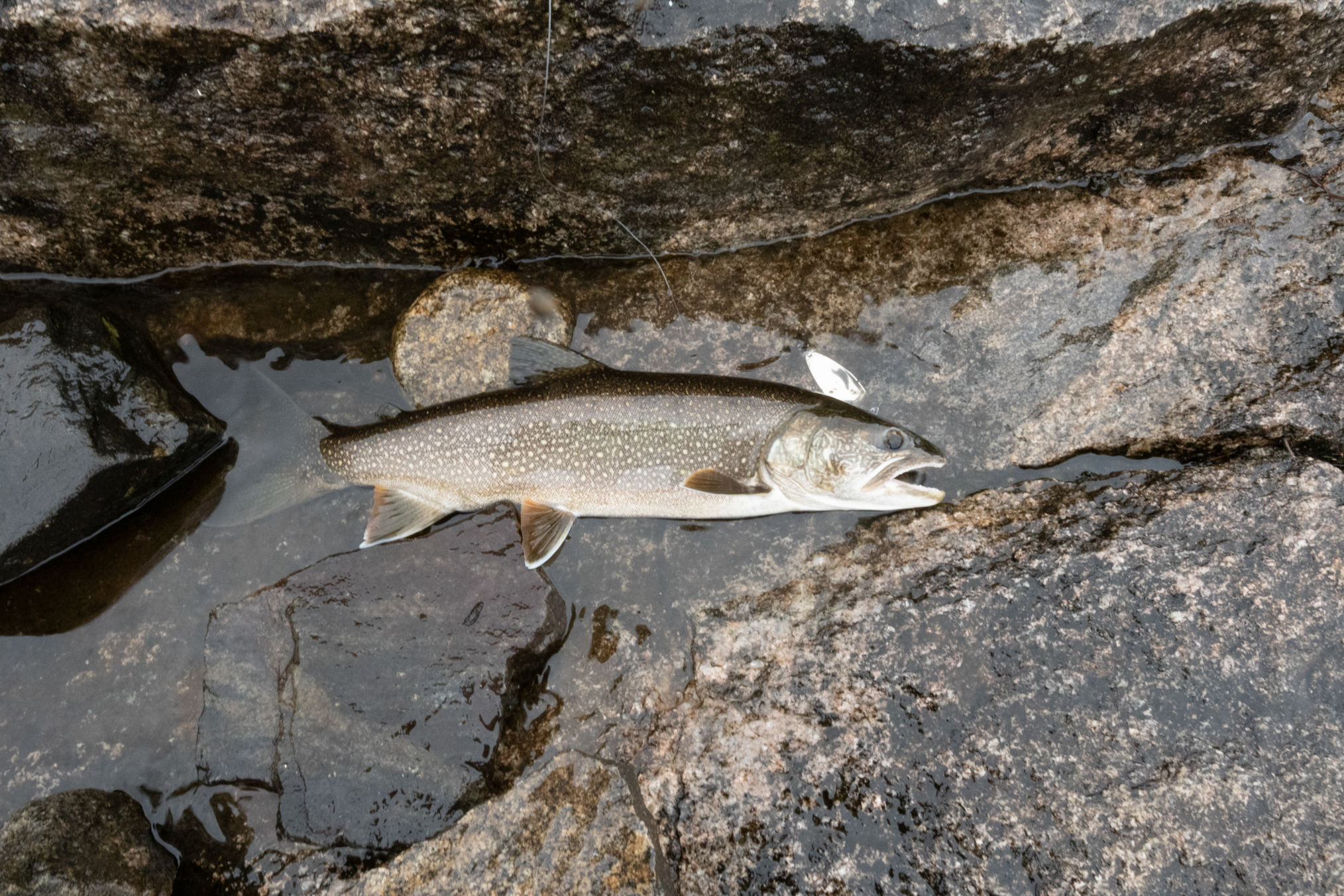
Another, a little bigger.
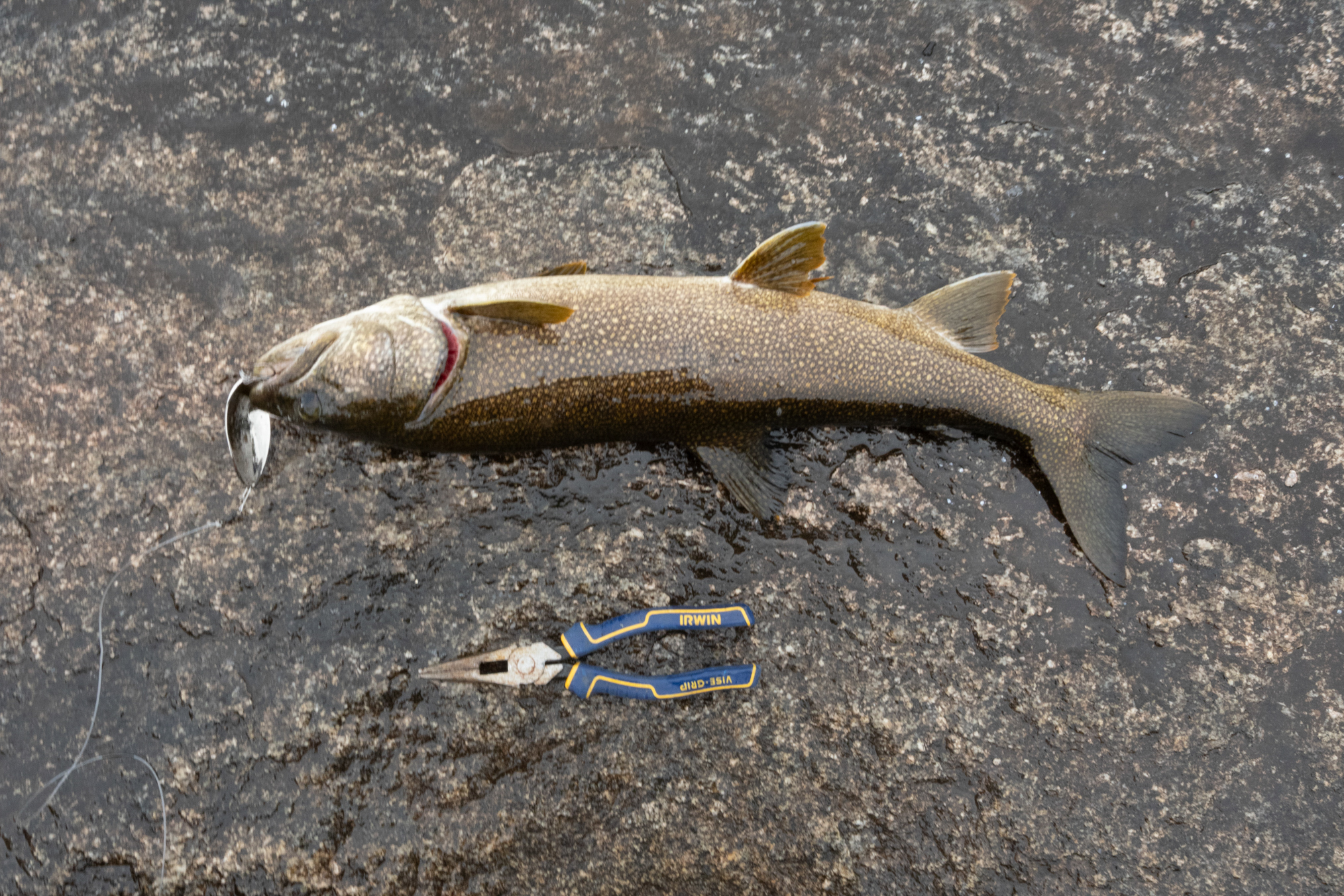
And another.
End of Part A, click here for Part B.